
Mass Spectrometry Explained Principle Steps And Uses
Search optical fiber, connectivity, cable management and network infrastructure references.
- Mass
- Spectrometry
- Explained
Articles and technical references
8 on this page-
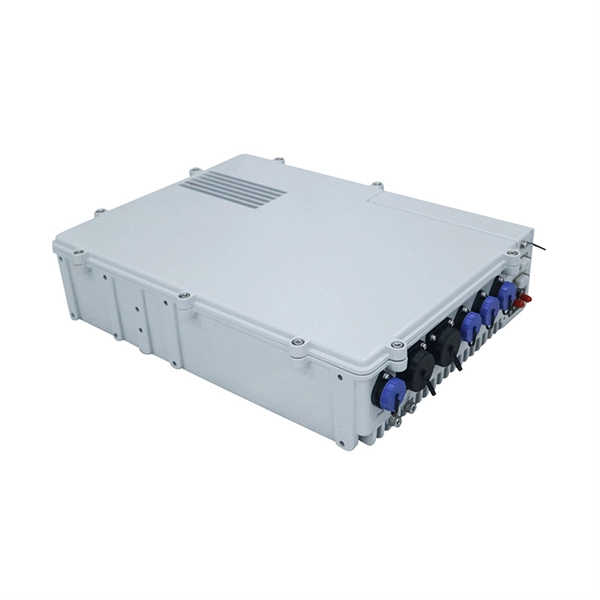
What is the principle behind fiber optic array arrangement
A Fiber Array (FA) is an optical component that aligns multiple optical fibers in a highly precise manner. Whether integrated into planar lightwave circuits (PLCs), optical switches, or high-speed transceivers, FAs play a vital role in ensuring. A Fiber Array, commonly...
[PDF Version]
-
Principle of Optical Cable Fusion Splicing Equipment
A fusion splicer is a specialized tool used in fiber optic networks. Its job is to join two fibers end-to-end by fusing them. Fusion splicing is the most widely used method of splicing as it provides for the lowest loss and least reflectance, as well as providing the...
[PDF Version]
-
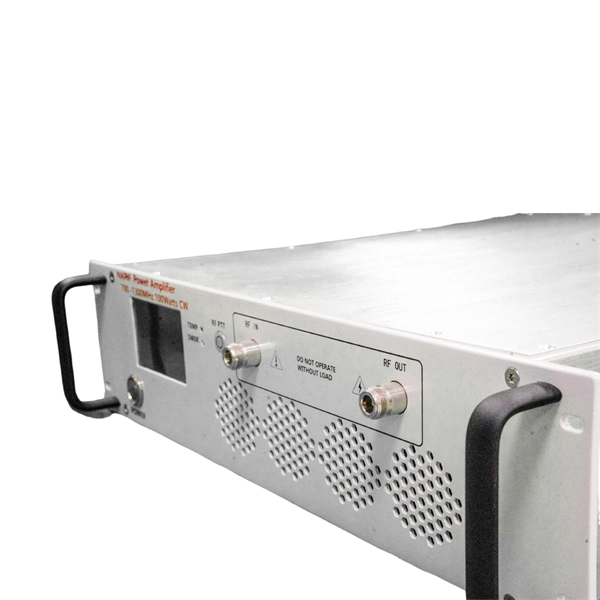
Headlight Dimming Module Principle
Our prototype employs Light Dependent Resistors (LDR) to detect oncoming vehicles and adjust headlight intensity accordingly, dimming them to reduce glare and enhance safety. Last Updated on May 16, 2026 by Swagatam 56 Comments The circuit described here can be built and used...
[PDF Version]
-
Working principle of ADSS optical cable
The working principle of ADSS fiber optic cable is based on optical signal transmission through glass fibers using light pulses. In the realm of aerial fiber optic infrastructure—where cables must withstand harsh weather, high voltages, and mechanical stress— ADSS (All...
-
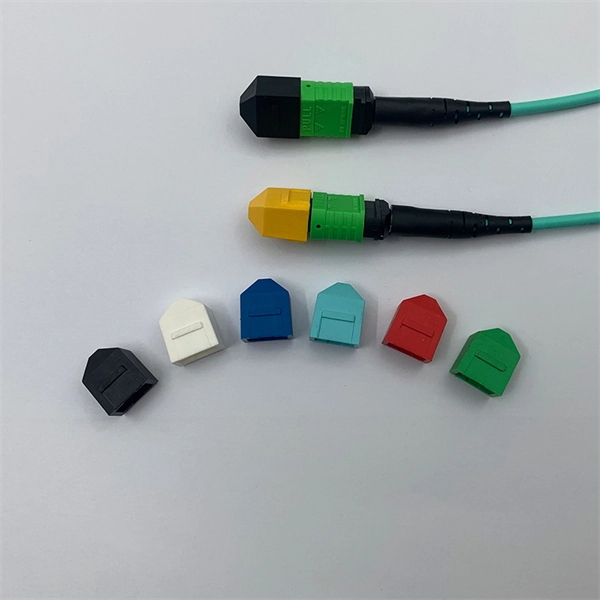
Operating Principle of Electrical Relay Protection
Protective relays detect the abnormal conditions in the electrical circuits by constantly measuring the electrical quantities which are different under normal and fault conditions. The electrical quantities that may change under fault conditions include: voltage, current...
[PDF Version]
-
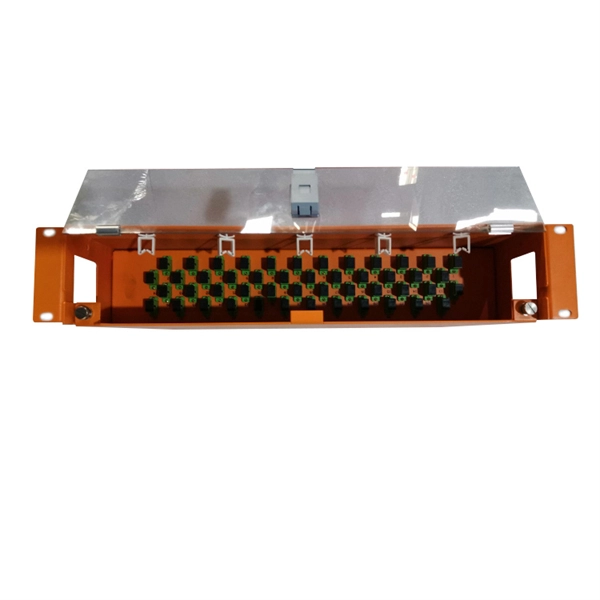
Data Center Rack Redundancy Principle
Data center redundancy ensures uninterrupted operation by duplicating critical infrastructure components within a facility. This approach—implementing configurations like N, N+1, 2N, or 3N2—provides high availability by eliminating single points of failure. See How Data...
-
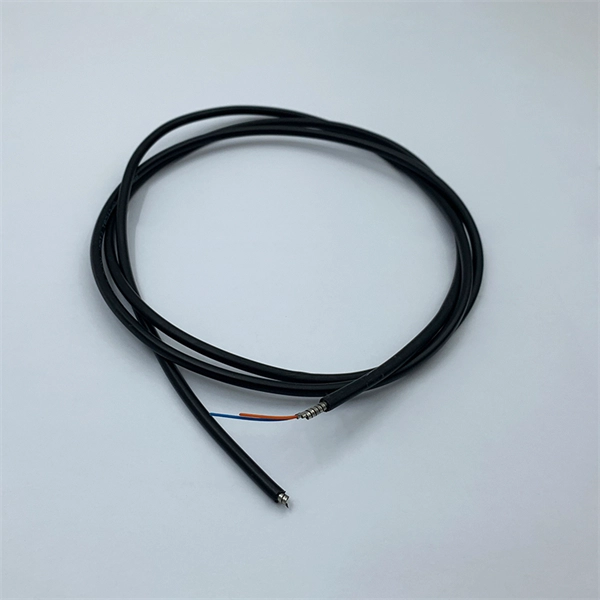
Principle of Seismic Support for Mongolian Cable Trays
This study aims to develop a simple yet efficient performance-based design optimization methodology for cable tray systems in building structures. In the paper, the drift ratio between adjacent supports i.
-
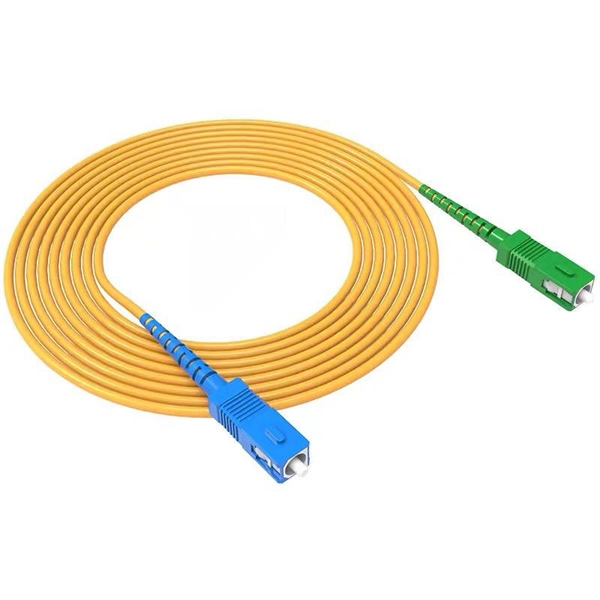
The principle of fusion splicing for a beam splitter one beam splitter to two beams
This process involves heating the stripped ends of two fibers until they melt and fuse together. After a brief exposure to high temperatures, the ends are pressed together to create a. A beam splitter (or beamsplitter, power splitter) is an optical device which can split an...