
Technical notes
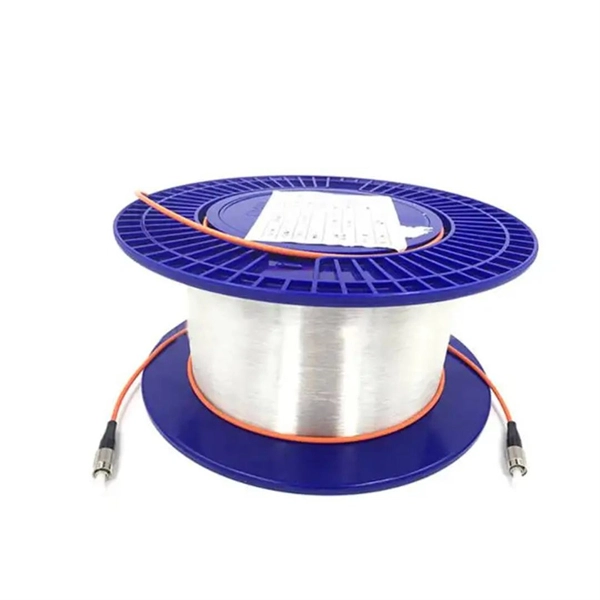
Single Fiber Fusion Splicing
Various fiber preparation, alignment, splicing and testing methods are discussed, as well as safety precautions and troubleshooting. Splicing often is required to create a continuous optical path for
The FOA Reference For Fiber Optics
First we''ll look at single fiber splicing and then ribbon splicing. Fusion splicing machines are mostly automated tools that require you preset the splicing parameters or choose factory recommended
Splicing Single-Mode (SM) vs Multi-Mode (MM) Fibers: Choosing the
Single-mode (SM) and multi-mode (MM) fiber splicing each come with their own set of challenges and requirements. By understanding these differences and following best practices,
The Ultimate Guide to Splicing of Fiber: Techniques and Tips
Fiber optic splicing, crucial for maintaining seamless connectivity in modern communication networks, primarily uses two methods: fusion splicing and mechanical splicing.
The Complete Step-by-Step Guide to Fiber Optic Splicing
In this guide, we cover the basics of fiber optic splicing, how to perform splicing using two different methods, and finally some best practices to perform good
Can a Fusion Splicer Be Used for Single-Mode and Multimode Fibres?
Learn how a fusion splicer works with both single-mode and multimode fibres. Discover the differences, key splicing tips, and real-world scenarios to ensure seamless fibre connections.
Fiber Splices – mechanical splicing, fusion splicing,
Splicing can be performed with both single-mode fibers and multimode fibers, but tends to be more difficult to obtain with perfect quality in the former case. Fusion
Optical Fiber Splicing: The Complete Technical Guide to Methods
Poor fiber splicing, on the other hand, can lead to performance issues and increased maintenance costs. This guide breaks down the fundamentals of optical fiber splicing, compares
Multi-Mode to Single-Mode Conversion: How to Bridge
By understanding the methods available, from simple mode conditioning patch cords to versatile fiber media converters, you can design a
Fiber Optic Cable Splicing Explained
There are 2 methods of splicing, mechanical or fusion. Both methods provide much lower insertion loss compared to fiber connectors. Fiber optic
Fiber Pigtails | Leviton Network Solutions
Leviton fiber optic pigtail kits are for mechanical or fusion splicing applications, and are available in a range of multimode and single-mode fibers.
What is a Fiber Optic Pigtail, and What Is It Used For?
Fiber splicing is stronger than mechanical fusion splicing, producing less loss and back reflection because the resulting splice point is virtually
Fiber Optic World | Fiber Optic Cable Types for SFPs
**Fiber Optic Standards:** Several international standards govern fiber optic cables, including: - **IEC 60793:** This defines optical fiber specifications for both single-mode and multi
Specifications For Fiber Optic Networks
Specifications For Legacy Fiber Optic Networks A listing of many fiber optic LANs and links available in the last 30 years, with basic operational specs.
#fiberoptics #sfp #networking #datacenter #telecom #
Single Mode vs Multimode Fiber 🟡 Single Mode Fiber (SMF) Used for long-distance communication Uses laser optics for precise signal transmission Small core size: 9µm Common SFP types: LX / LR
12-Core SC Pigtail 5M Yellow | FiberMania OEM
Ideal for SC/UPC 12 cores bundle fan-out fiber optic pigtail single mode 9/125 µm 5m yellow jacket for fiber splicing and termination applications.
FOA Standard For Installing Fiber Optic Cable Plants
Although most fiber optic cables are not conductive, any metallic hardware used in fiber optic cabling systems (such as splice closures, pedestals, messenger wire, wall-mounted termination boxes,
Fiber Optic Cable Color Codes
When a tech opens a fiber optic cable to prepare it for splicing, they will find a colorful bundle of buffer tubes as on this armored cable. The colors of the buffer
Related Video Reference
This video was associated with the source search result. Verify technical details against current product documentation and project requirements.