
Technical notes
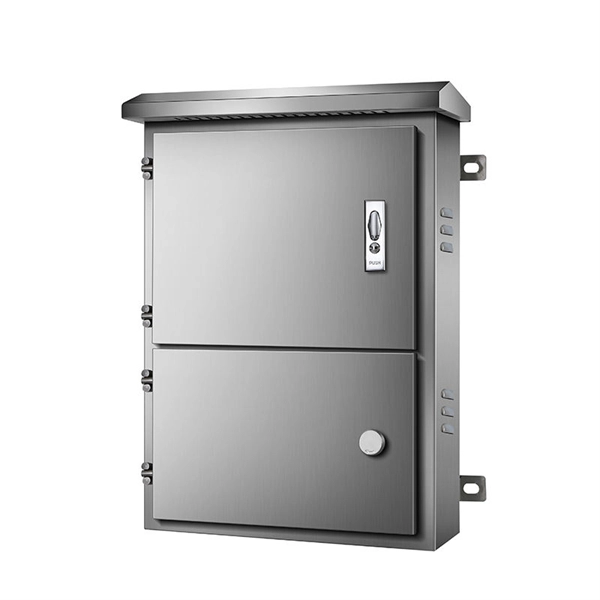
Standard thickness of iron distribution boxes
According to national standards, the wall thickness of the low-voltage distribution box should not be less than 1.5mm, and the metal auxiliary pole should be 1.2mm.
Distribution Box and Selection Guide: Internal Structure, Components
Learn how to choose a distribution box and understand its internal structure, including MCBs, busbars, neutral bars, earth bars, RCDs, RCBOs, SPDs, enclosure ratings, and wiring layout.
TECHNICAL SPECIFICATION FOR LT DISTRIBUTION BOX
General Technical Particulars for LT Distribution Boxes : - The L.T. Distribution Boxes should be of the dimensions as per the drawing & details in the table furnished.
L.T. Distribution Box Specification | PDF | Fuse (Electrical)
Technical Specification of L.T Distribution Kiosk.pdf - Free download as PDF File (.pdf), Text File (.txt) or read online for free. The document provides specifications for low voltage distribution boxes used
Specification Requirements For Distribution Boxes
When one long side of the distribution box is less than 1000mm, the plate thickness shall not be less than 1.5mm; when the long side is equal to or greater than 1000mm, the plate thickness shall not be
NEC Reference Metallic Boxes
Box and cover material and plating specification; .062" minimum thickness, hot rolled, pre-galvanized steel, minimum spangle. ASTM G-60-U, AISI C-1008
TECHNICAL SPECIFICATION I.R.O. 63,100,160 & 315 KVA
For temperature rise test, a distribution box with all assembly of Isolator / Porcelain cutouts shall be kept in an enclosure such that the temperature outside the box shall be maintained at 50 ° C.
What is the thickness of the sheet metal for the electrical
for the electrical distribution box cabinet usually has the following regulations: - **Switch box**: The thickness of the steel plate of the box body shall not be less than 1.2mm. - **Electrical
The installation requirements for the distribution box
Residential distribution boxes are usually smaller and built for lighter loads. They''re great for homes and small offices. On the other hand, industrial boxes are designed for high-capacity use
What are the criteria for selecting the thickness of the sheet metal
- For electrical distribution boxes with high protection level requirements, such as IP54, IP65, etc., sheet metal with sufficient thickness is required to ensure the tightness and strength of the
Specific design requirements for distribution box.
The various indexes of the boards of distribution boxes or distribution cabinets must meet the relevant requirements of the state. All distribution boxes or distribution cabinets shall be made of cold-rolled
How to determine the size of distribution box
The size of the distribution box is reserved When the electric box is only a lighting electric box or a small power, and the incoming line is less than 10
TECHNICAL SPECIFICATIONS FOR A. C. DISTRIBUTION BOARD
4.2.4 The busbars shall consist of tinned electrolytic copper of cross-sectional area of a minimum of 30mm x 5mm, suitable for carrying their rated continuous current without their temperature
(C) Minimum Thickness of Enclosure Metal
The minimum thickness requirements for enclosure materials specify that sheet copper or aluminum must be no less than 0.51 mm (0.020 in.) thick. For sheet steel, the minimum thickness is set at 0.41
Distribution Box
Metal Distribution Box Features Continuously welded seams Foam-in-place seamless gasket 120-degree opening heavy-duty industrial hinges IP66 protection rating against dust and water according
GB-distribution box and enclosures
The GB-terminal box, both distribution box and empty enclosure, is manufactured of high impact resistance, glass-fibre reinforced polyester SMC & DMC providing extraordinary stability and
Technical Requirements for Distribution Box in Electrical
Different industries, different products have different technical requirements, in the electrical industry, distribution boxes, distribution boxs are no exception,
Area distribution boxes with connectors
1. GENERAL CHARACTERISTICS Boxes distribute low currents in an area equipped with 1 to 12 RJ 45 sockets. They centralise connections to ensure flexibility and that the installation is up to date. The