
Module And Pma Delay Limits
Search optical fiber, connectivity, cable management and network infrastructure references.
- Module
- Delay
- Limits
Articles and technical references
7 on this page-
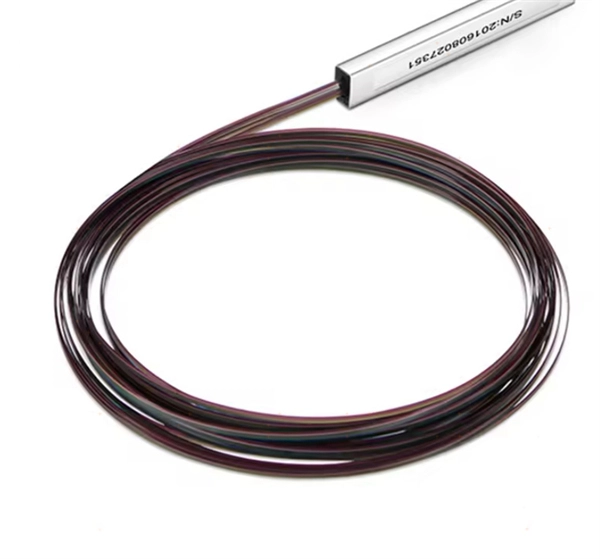
Gigabit Optical-to-Electrical Module Delay
An OLT consists of three major parts: 1. Service port interface function - Provides translation between service interfaces and the TC frame interface of the PON section. 2. Cross-connect function - Provides a c.
-
How to adjust the delay setting on the light control module
Time Delay Programming Instructions Press button twice to enter Time Delay adjustment mode. The LED will flash back the current Time Delay setting accordin.
[PDF Version]
-
1550nm optical module wavelength
Operating at a wavelength near 1550 nanometers, it enables high-speed data transmission across single-mode fiber (SMF), especially suited for long-reach applications such as metro or WAN environments. This blog explores what a 1550nm transceiver is, its. You use 1310nm and...
[PDF Version]
-
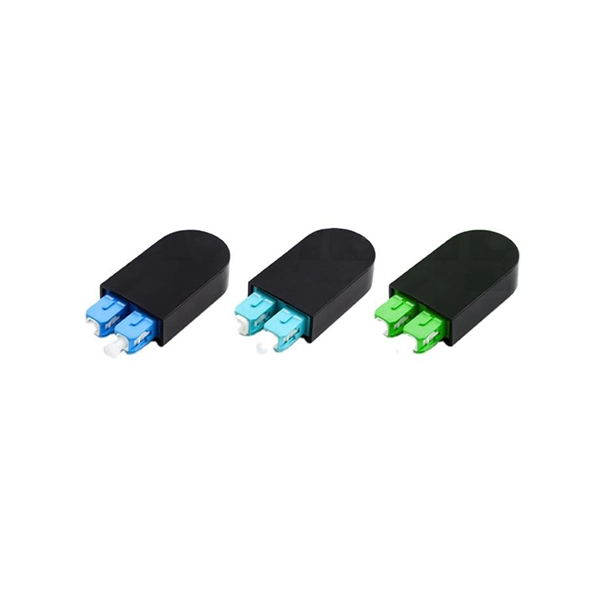
How to read the specifications of an optical module
Our guide offers a systematic approach to decoding key specifications found in lens data sheets. Learn how to interpret critical. An SFP (Small Form-factor Pluggable) is a compact, hot-pluggable transceiver module that allows networking equipment — including switches...
[PDF Version]
-
Light Sensor Circuit Module
The Light Sensor module is an electronic component designed to detect the presence and intensity of light in the surrounding environment. In this quickstart guide, you'll learn how to connect a photoresistor to an Arduino board and read out the voltage. The light sensor used...
[PDF Version]
-
How much does a 400g data transmission optical module cost
From campus backbones to metro DWDM rings and hyperscale data centers, the cost of each 400g optical transceiver can swing hundreds or even thousands of dollars. His director had asked for a budget estimate for a data center-wide 400G system upgrade. Calculating the costs...
[PDF Version]
-
Hisrnse optical module
The market offers a diverse range of Hisense-branded and compatible optical modules, catering from legacy 155M networks to modern 10G PON systems. Key differentiators include supplier reputation, order flexibility, and specific use cases like FTTH OLT/ONU or wireless...
[PDF Version]