
Technical notes
Optical networking ICs | TI
Build high-performance and power-efficient optical modules for wireless, data center and communication applications with our optical networking ICs. Our products simplify designs by integrating
Optical Interconnect Technology Analysis: LPO, NPO,
Exploring optical interconnects for AI data centers: LPO for low-power, short-distance links, NPO for high-density, near-package connections,
Understanding Optical Modules: Working Principles, Structures, and
Explore the working principles, structures, and performance metrics of optical modules, essential components of optical fiber communication systems. Learn about key indicators such as
The Most Comprehensive Guide Of Optical Modules
Explore the ultimate guide to optical modules. Learn types, functions, performance metrics & how to choose the right module for your fiber network.
Optical module
Ethernet uses optical modules extensively in its higher rate interfaces. Representative interfaces that are commonly implemented in optical modules include 100GBASE-SR4, 100GBASE-LR4 and
Small Form-factor Pluggable
Small Form-factor Pluggable (SFP) is a compact, hot-pluggable network interface module format used for both telecommunication and data communications
10G SFP+ Optical Transceivers | Transceiver Module
FS 10GbE SFP+ module solutions provide a wide variety of 10 Gigabit Ethernet connectivity options for data centers, enterprise wiring closets, Internet Service
The New Optical Interface: Novel Connector Designs
The Marvell network switch with a co-packaged optics (CPO) module that includes photonic engines around the perimeter of switch application-specific integrated
Optical Transceiver Module : Products & Solutions | NEC
Through our advanced, high-performance, and highly reliable optical device technologies and products, we are shaping and supporting the networks of the
Passive optical network
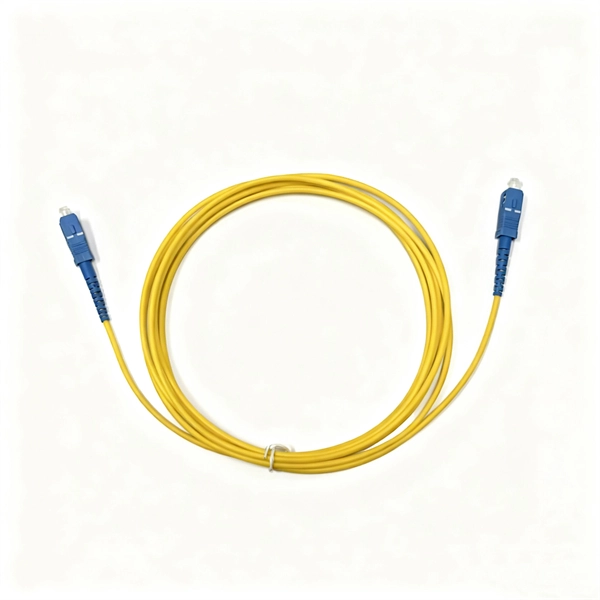
Passive optical network A fiber optic cable assembly with SC APC connectors, as commonly used to link optical network terminals to passive optical networks A
How to Choose Optical Modules Correctly?
How Optical Modules Operate Transmitter Optical Sub Assembly (TOSA) The TOSA manages light emission, converting electrical signals to optical signals. It comprises a light source,
What Is an Optical Module and Its FAQs (V200)
What Is an Optical Module and Its FAQs (V200) Describes what an optical module is and FAQs, including the fundamentals, appearance and structure, key performance counters, common types,
What Is an SFP Module? — Complete Guide to SFP, SFP+ & SFP28
Learn what an SFP module is, how it works, its types, specifications, compatibility, and use cases in modern networks, including updated standards and trends for 2026.
What is an Optical Module?
An optical module typically consists of an optical transmitter (TOSA, Transmitter Optical Sub-Assembly, containing a laser diode), an optical receiver (ROSA, Receiver Optical Sub-Assembly, containing a
Understanding Optical Modules
On an optical network, a sender needs to convert electrical signals into optical signals before sending them to a receiver, and the receiver needs to convert received optical signals into electrical signals.
What is Optical Transceiver: A Beginner Guide (2024)
What is an Optical Transceiver? An optical transceiver, also known as a fiber optic transceiver or optical module, is a small packaged device that uses fiber optic technology to transmit
SFP Optical Modules: The Essential Bridge in Modern Communication
The SFP, short for "Small Form-factor Pluggable," is an interchangeable optical fiber communication interface standard designed for high-speed connections between network devices
Cisco 10GBASE SFP+ Modules Data Sheet
A broad range of industry-compliant SFP+ modules for 10 Gigabit Ethernet deployments in diverse networking environments. Product overview The Cisco ® 10GBASE SFP+ modules (Figure
Related Video Reference
This video was associated with the source search result. Verify technical details against current product documentation and project requirements.