
Optical Amplifiers Enhancing Long Distance
Search optical fiber, connectivity, cable management and network infrastructure references.
- Optical
- Amplifiers
- Enhancing
Articles and technical references
7 on this page-
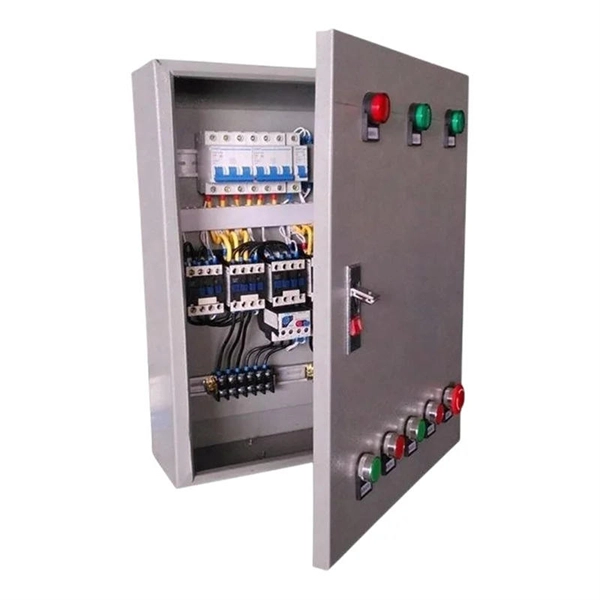
Syria Long Distance Optical Cable G 652
652 specifies the geometrical, mechanical, and transmission attributes of a single-mode optical fiber and cable designed for telecommunications applications, featuring a zero-dispersion wavelength near 1310 nm to minimize signal distortion in the O-band. ITU-T Recommendation...
[PDF Version]
-
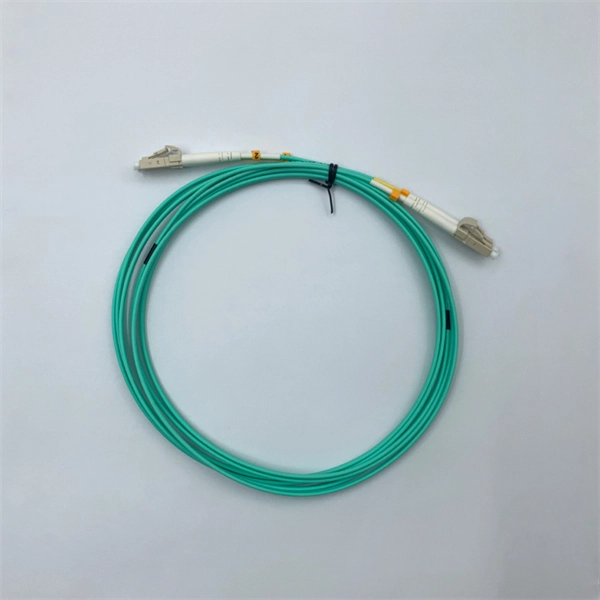
How to adjust the distance of optical fiber cable
Use multimode fiber for short-to-medium runs while choosing single‑mode or active repeaters for long distances. Signal loss, dispersion, connectors, and transceiver sensitivity set practical limits. Fiber optic cable transmission distance is determined by two primary physical...
-
Distance between overhead communication optical cables and electrical cables
NESC Table 235-5 (Vertical clearance between conductors at supports) states in 1., “Communications conductors and cables Located in the communication space shall be 40 (in. Applying this to Rule 235C2b(1)(a), equates to 30 (in). TECHNICAL GUIDELINE July 30, 2020 TG030 Rev. 4...
[PDF Version]
-
Safe distance for mobile optical cables
A: For most applications, the maximum distance of a single-mode cable is around 160 kilometers. Q: How far can multimode fiber go? A: It varies with the data speed and fiber type. Take the common OM2. Fiber optic cable transmission distance is determined by two primary...
[PDF Version]
-
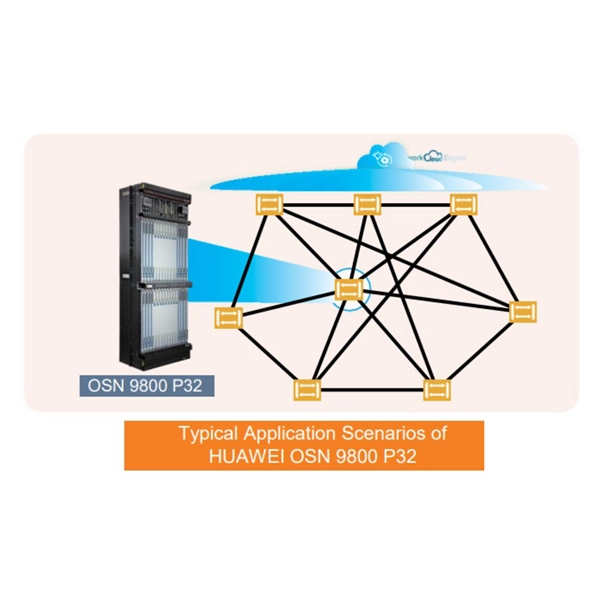
Optical Amplifiers and Fiber Optic Amplifiers
Key topics covered include the development of different types of optical amplifiers, such as erbium-doped fiber amplifiers (EDFAs), semiconductor optical amplifiers (SOAs), and fiber amplifiers, each explored for their unique advantages and limitations. An optical amplifier...
[PDF Version]
-
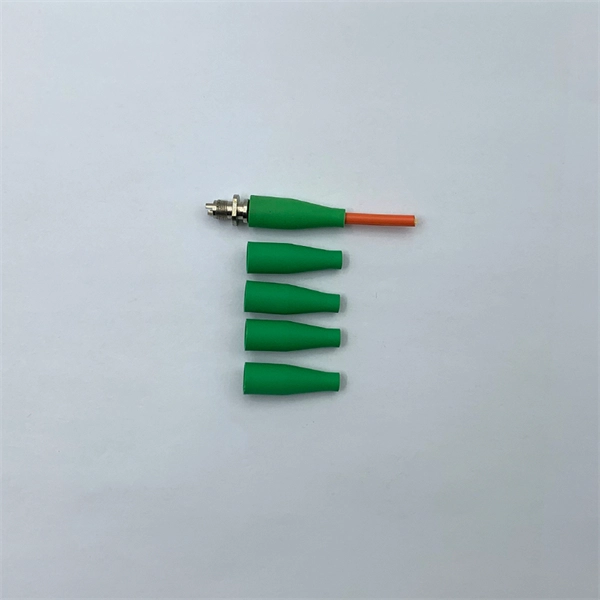
Fiber optic cable distance too long
Fiber optic cable can be run anywhere from 300 meters up to 80 kilometers (roughly 50 miles) depending on the cable type, transceiver used, and network standard. Fiber optic cable transmission distance is determined by two primary physical factors that affect signal quality...
[PDF Version]
-
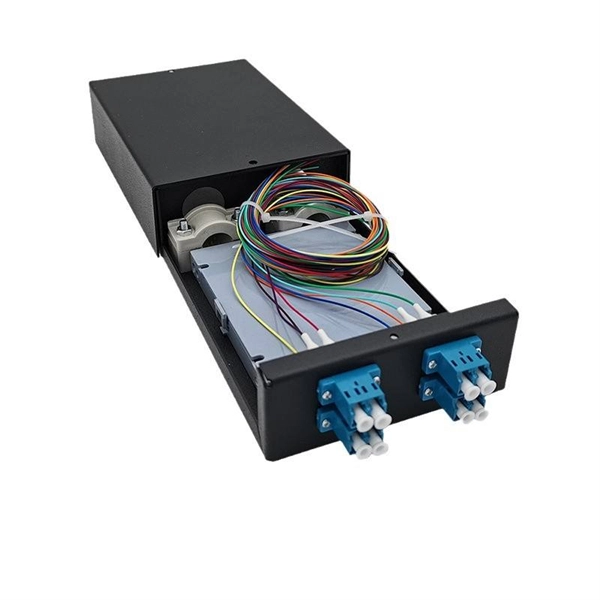
Protection distance for buried optical cables
Bury cables from 12-36 inches (or 30-90 cm) deep. Where plant life, sidewalks, and other utilities already disrupt earth, it's safer to bury at as little as 24 inches or 60 cm, using protective conduits to limit the likelihood of damaged cables by inexperienced maintenance...
[PDF Version]