
Technical notes
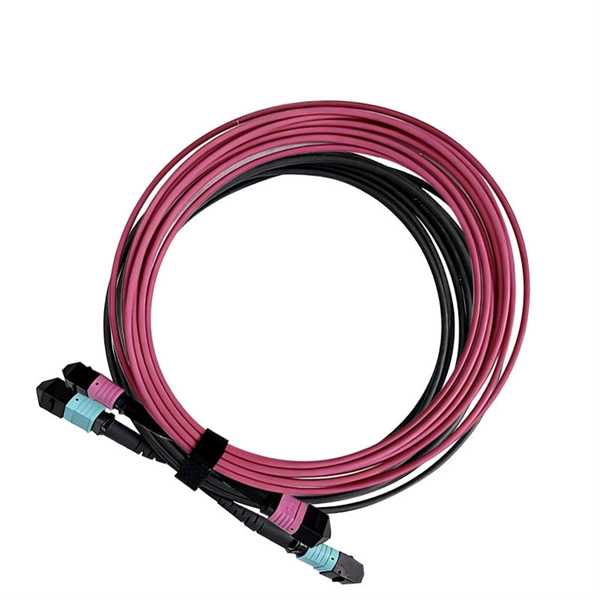
Fiber-optic cable
A fiber-optic cable, also known as an optical-fiber cable, is an assembly similar to an electrical cable but containing one or more optical fibers that are used to carry light.
IRS Depreciation Class For Fiber Optic Cable
Typically, fibre optic cables are classified as tangible property used in telecommunications. This classification is crucial as it determines the applicable depreciation scheme
IND FAQ 6.2 – Is an asset that is constructed and owned
The capacity portion that will be provided to operator F is not physically distinct from the remaining capacity of the cable, and it does not represent substantially all of the capacity of the
Telecommunication Assets Definition | Law Insider
Telecommunication Assets means, with respect to any Person, Equipment and other properties or assets (whether tangible or intangible) used in the telecommunications business, including, without
26 CFR 1.263(a)-1: Capital expenditures; in general. (Also: Part I
.01 Cable network assets. (1) Cable network assets mean personal or real hat p phone services (“cable services”) to customer premises in the United States. Cable network assets consist of operating plant
What Is Physical Media in Computer Networks Cables
At the heart of every reliable network infrastructure are tangible parts. These physical layer components include copper cables, fibre-optic lines,
PLRs: IRS acceptance of non-traditional real property (such as
The IRS ruled that, for purposes of the limited rental exception, the property with regard to taxpayer''s fiber optic cable is the continuously connected fiber optic cable within the geographic boundaries of
Safe Harbor For Fiber Optic Nodes In Cable Systems Provided For
The fiber optic strands of glass (optic fibers) within fiber optic cables carry analog or digital signals in the form of light waves. In comparison, coaxial cable carries radio frequency signals.
Chapter No: 2 TRANSMISSION MEDIA
A fibre optic cable is made of high quality of thin glass or plastic and is used to transfer digital data signals in the form of light up to distance of thousands of miles.
Internal Revenue Service Department of the Treasury Number:
The fiber optic cable used in indoor and outdoor Systems, coaxial cable used in indoor Systems, and related conduit piping (collectively, the “System Components”), qualify as “real
Fiber-optic cable
Fiber-optic cable A TOSLINK optical fiber cable with a clear jacket. These cables are used mainly for digital audio connections between devices. A fiber-optic cable,
Part III
equipment, towers, poles, copper wire, fiber optic cable, service area interface boxes, and remote and network terminals. Wireline network assets do not include personal or real property not directly used
Everything You Need to Know About Fibre Optics and
Discover the ins and outs of fiber optics, from how it transmits data to its advantages over copper cables. Explore the world of fiber optic technology
Tangible and Intangible Fixed Assets – Auditing Accounting
Both tangible and intangible fixed assets play vital roles in supporting business operations and generating future economic benefits. Proper identification, classification, and
Internal Revenue Service Department of the Treasury Number:
pect to the System Components, that is, the fiber optic cable used in indoor and outdoor Systems, coaxial cable used in indoor Systems, and related conduit piping. Taxpayer has not
Fiber Optic Cables: Advantages, Disadvantages, and
Explore the technical aspects of fiber optic cables in this comprehensive guide. Learn about their advantages, disadvantages, and various
IRS Provides Safe-Harbor Methods of Accounting to Cable System
The cable network consists of property that receives signals at the “headend” from satellite antennae or fiber-optic cable and conveys the signals to customer premises using optic transmission
Tangible Assets: Definition, Examples, and Differences
Learn what tangible assets are, their types, examples, how they differ from intangible assets, and how they impact a company''s financial health.
Related Video Reference
This video was associated with the source search result. Verify technical details against current product documentation and project requirements.