
Optical Fiber Cable Engineering Construction A
Search optical fiber, connectivity, cable management and network infrastructure references.
- Optical
- Fiber
- Cable
Articles and technical references
10 on this page-
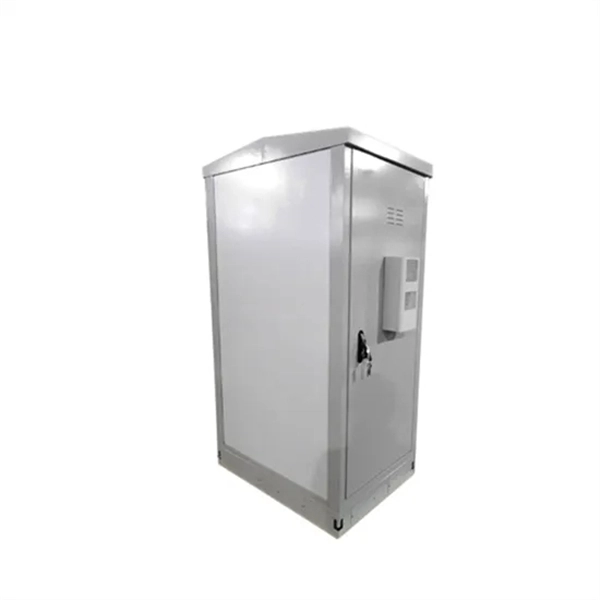
Outdoor optical fiber cable construction
Plan your outdoor fiber installation carefully by surveying the site, choosing the right cable type, and following FOA and OSP standards to ensure reliability. Select the best installation method—direct burial, aerial, conduit, or underwater—based on your environment and...
[PDF Version]
-
Construction of optical fiber transmission cable lines
This guide explains fiber optic cable construction, the difference between tight buffer and loose tube structures, and compares eight common cable types used in data centers, enterprise networks, and FTTH deployments. Fiber optic cables are essential components in modern data...
[PDF Version]
-
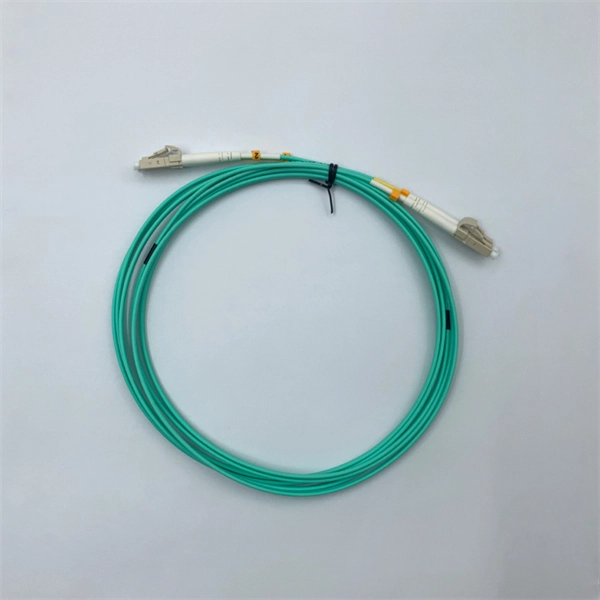
How to adjust the distance of optical fiber cable
Use multimode fiber for short-to-medium runs while choosing single‑mode or active repeaters for long distances. Signal loss, dispersion, connectors, and transceiver sensitivity set practical limits. Fiber optic cable transmission distance is determined by two primary physical...
-
Unit Price for Optical Cable Installation in Telecommunications Engineering
Fiber optic cable installation costs average $4,500 for most homeowners, with most installations ranging from $1,500 to $7,000. With 19+ years of experience installing fiber-optic cables at over 20,000 locations, we've seen how prices vary based on cable type, project scope...
[PDF Version]
-
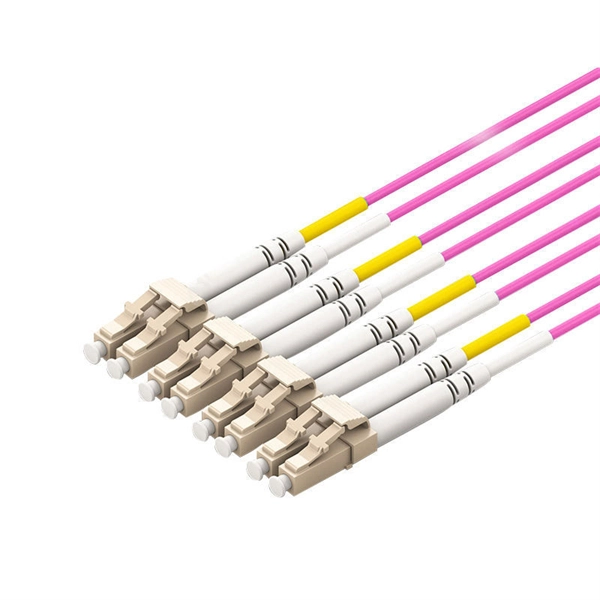
Broadband optical cable construction
This guide explains fiber optic cable construction, the difference between tight buffer and loose tube structures, and compares eight common cable types used in data centers, enterprise networks, and FTTH deployments. Engineers and. We offer full-service OEM and ODM solutions...
[PDF Version]
-
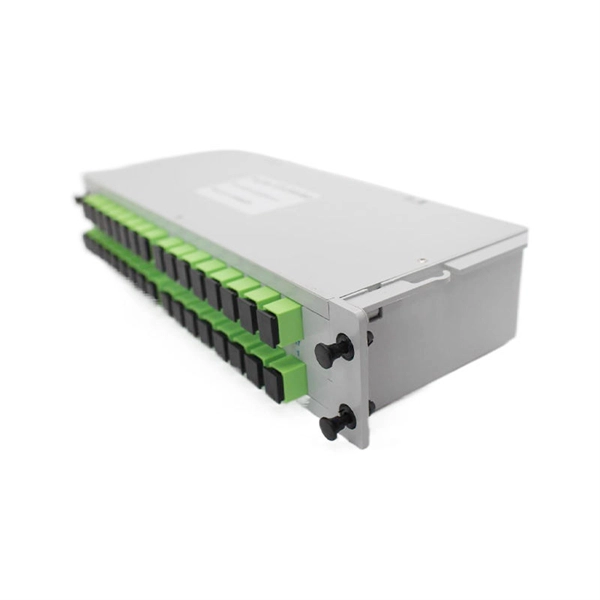
Analysis of the Current Status of the Optical Fiber Cable Industry
• Fiber Optical Cable market size has reached to $84. 15 billion in 2025 • Expected to grow to $115. 8% • Growth Driver: Growing Demand For Higher Bandwidth And Faster Speed Connections Boosts Fiber Optic Cable Market. Market Size by Fiber Type, by Deployment, by Cable Type...
-
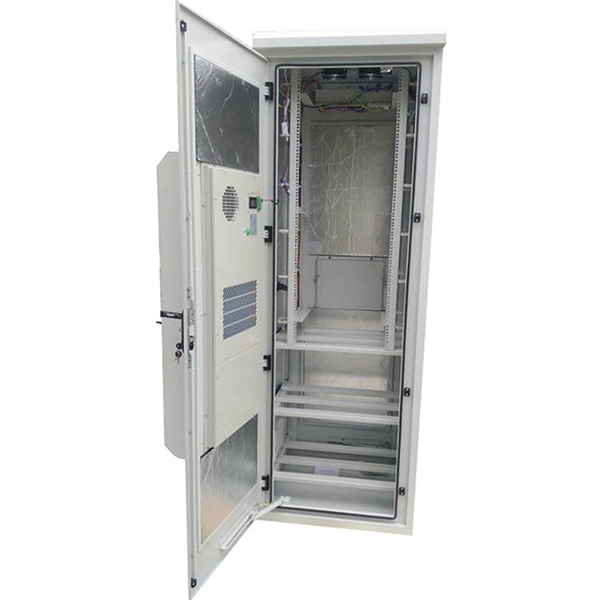
24-core optical fiber cable terminal box connection method
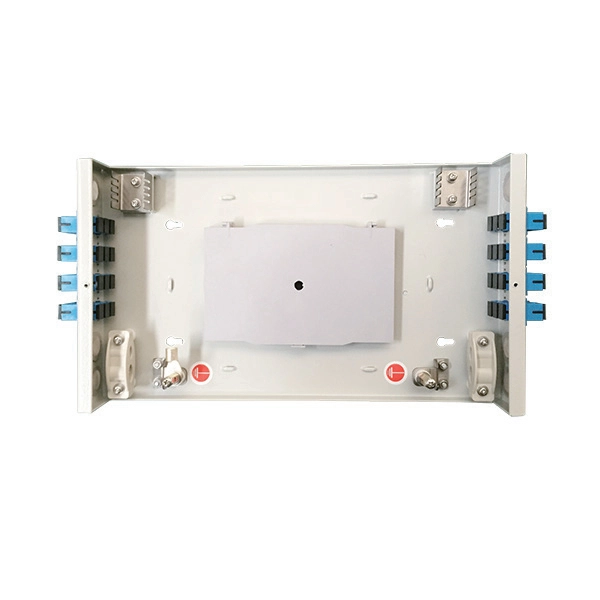
Thus, a fiber termination box is used to terminate the optical fiber cables in the field and connect them to the pigtail by splicing. After an optical cable arrives at the user's end, it is fixed in the terminal box.
-
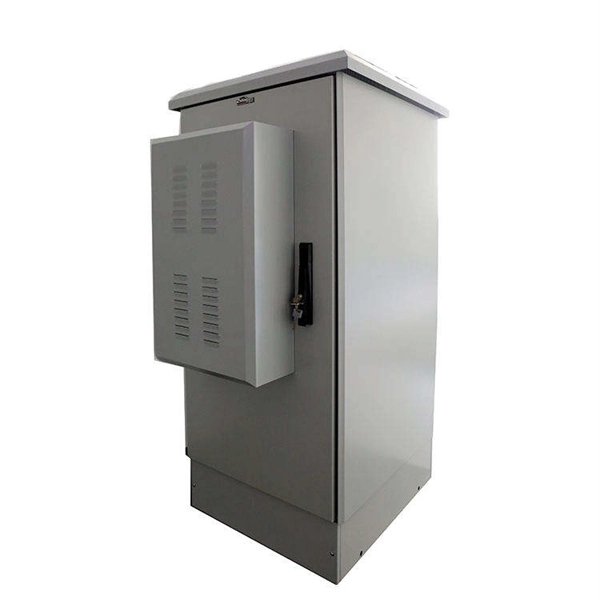
Numbered optical fiber cable
Here is the most important information: 864F means the cable contains 864 fibersSM means singlemode fiber250 means the fiber has a 250 micron buffer coating0. By adopting the TIA/EIA‑598C standard, you gain a universal “language” of colors that speeds identification, reduces...
[PDF Version]
-

New Construction Scheme for Anti-Catling Optical Cable
163 describes criteria for the installation of optical fibre cables defined in Recommendation ITU-T L. (FOA) was founded in 1995 to help develop the workforce to build the fiber optic networks to support a rapid expansion in communications and the Internet. The charter of the...
[PDF Version]
-
Southeast Asia Air-blown Optical Cable Project Construction
South East Asia–Middle East–Western Europe 6 (SEA-ME-WE 6) is an in-progress optical fibre submarine communications cable system that would carry telecommunications between Southeast Asia, the Middle East, and Western Europe. Construction began in February 2022. Air blown...
[PDF Version]