Skip to content
PROMETHEASOPTICAL Send a project enquiry
Reference library

Optimal Solution for Optical Fiber Networking

Published
  • Optimal
  • Solution
  • Optical
Source context

AI source overview

The optimal solution for optical fiber networking combines meticulous planning, high-quality components, proper installation, proactive maintenance, redundancy, and advanced monitoring to ensure high performance, reliability, and scalability.

Network Planning and Design

Effective fiber optic networks start with careful planning and design. This includes defining the network topology, communication protocols, coverage area, expected bandwidth, and service requirements while considering geographical, environmental, and regulatory factors. Operators should conduct site surveys, assess existing infrastructure, and anticipate future growth to ensure scalability.

Choosing between point-to-point or passive optical network (PON) topologies—or a hybrid approach—depends on bandwidth needs, cost, and subscriber density. Collaborative digital platforms can streamline planning, enabling real-time communication, version control, and efficient coordination among stakeholders.

Component Selection

Selecting high-quality fiber cables, connectors, transceivers, and optical amplifiers is critical. Single-mode fibers are ideal for long-distance, high-bandwidth backhaul, while multi-mode fibers suit shorter, cost-sensitive runs. Optical amplifiers, such as Erbium-Doped Fiber Amplifiers (EDFAs), maintain signal strength over long distances, reduce operational costs, and improve network performance.

Using low-cost or substandard components can lead to higher maintenance costs and reduced reliability.

Installation Best Practices

Proper installation is essential to prevent signal degradation. Key practices include maintaining the minimum bend radius, avoiding excessive pulling, and ensuring thorough cleaning of connectors and ports. Cable management systems and pre-labeled patch cords with tracking software can reduce human error and optimize network performance.

Rigorous testing using OTDR, end-to-end loss testing, and certification testing ensures the network meets operational and safety standards.

Maintenance and Monitoring

Regular maintenance and inspections are vital for long-term stability. This includes cleaning connectors, testing signal strength, and monitoring equipment status. Advanced network monitoring tools provide real-time insights into traffic, signal integrity, and device performance, enabling proactive issue resolution and minimizing downtime.

Integration with GIS data and smart closures can accelerate fault location and repair.

Redundancy and Reliability

Building redundancy into the network design enhances fault tolerance. Incorporating redundant fiber links, switches, and critical components ensures uninterrupted service during failures and reduces downtime. Physical separation, loopback protection, and diversified routing further improve resilience.

Future-ProofingTo maintain competitiveness, networks should support speed upgrades and evolving bandwidth demands. Planning for future growth, selecting scalable equipment, and adopting technologies like AI-assisted network management can optimize performance and reduce operational costs. Continuous evaluation of emerging technologies ensures the network remains robust and adaptable.

Conclusion

An optimal optical fiber network is future-proof, resilient, and high-performing, achieved through strategic planning, quality components, precise installation, proactive maintenance, redundancy, and advanced monitoring. Following these best practices ensures reliable connectivity, minimizes downtime, and supports long-term scalability and efficiency in modern digital environments.

Research context

Reference summary

Best Practices for Fiber Optic Network Optimization & MaintenanceThis article explores best practices for fiber optic network optimization and cable mainte.

From reference to enquiry

Questions for your project

Use these editorial prompts alongside the linked excerpts. They identify items to confirm for your project.

Technical notes

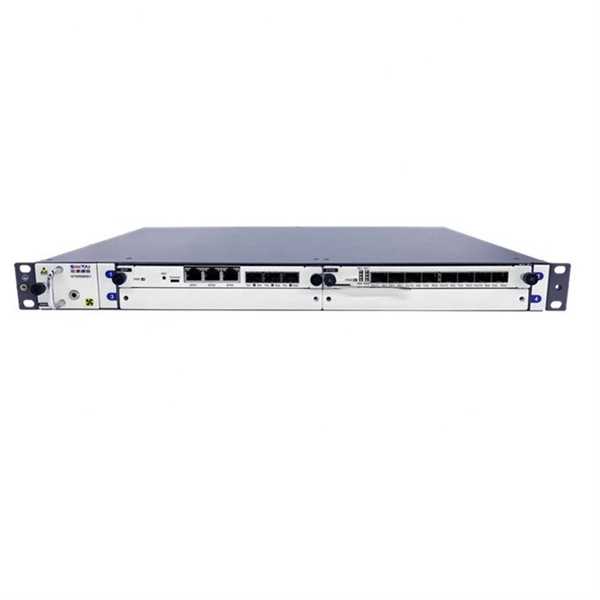
Illustrative equipment image

Best Practices for Fiber Optic Network Optimization & Maintenance

This article explores best practices for fiber optic network optimization and cable maintenance to ensure optimal performance, reliability, and scalability for the future.

Fiber Optic Network Design: 10 Powerful Tips for

Learn fiber optic network design basics, best practices, and cost-saving tips to build fast, reliable, and scalable fiber networks.

Cisco Optical Networking Solutions

Maximize capacity for DCI, metro, long-haul, and subsea optical transport. Gain performance, efficiency, and cost optimization for C+L band spectrum. Simplify management and orchestration of Cisco

Optimizing fiber upgrade scheduling in multi-band elastic optical

This paper investigates multiple optimization approaches – Heuristic Algorithm (HA), Iterative Improvement (II), Simulated Annealing (SA), and Genetic Algorithm (GA) – to determine

Optical Network Design and Planning Guide 2026

Learn how strategic optical network design optimizes fiber routes, spectrum allocation, and DCI for scalable, low-latency infrastructure.

How to optimize the design and implementation of fiber optic networks

From troubleshooting to enhancing latency to expanding the network''s footprint in buildings, highly optimized optic networks lead to higher customer satisfaction and the ability more easily expand

Fiber Optic Network Design & Deployment Guide

Discover how to design & deploy Fiber optic networks for modern telecom. Learn planning, budgeting, documentation, and best practices for success.

The Complete Guide to Fiber Optic Network Design and

In this broad guide, we will run through why, what, and how of Fiber optic network design and deployment — covering planning, challenges, best practices, and key decisions that drive success.

Set Up a Fiber-Optic Network in Your Home or Office (2026)

Learn about the various fiber-optic components used for running fiber in your house, office, or between buildings. Find out how to use fiber optics for high speed networking, electrical

Best Optical Fiber Infrastructure Solution: A

Choosing the best optical fiber infrastructure solution involves analyzing various aspects, including types of fiber optic products, installation and

Fiber optic network design guide | IQGeo

Learn about the importance of fiber optic network design and how it enables network operators to meet business objectives and optimize network layouts.

Fiber Optic Communication Networks | Springer Nature Link

Various types of optical fiber networks have been conceived, designed, and built to satisfy a wide range of transmission capacities and speeds. The link lengths between users can vary from

Optical Network Design and Transport

Optical Network Design and Transport Best practices for optical network design Fiber-optic technology -- not long ago used only in long-haul networks -- has become the transmission medium of choice not

Master Your Fibre Optic Installation: Step-by-Step Best Practices

Maintenance and troubleshooting of fiber networks are critical for optimal performance, involving regular cleaning, inspections to prevent signal loss, and repairs for physical damages; while

(PDF) Optimization Technology of Optical Fiber Communication Network

With the development of optical communication technology, a variety of optical switching devices are introduced into WDM optical network, such as optical packet switching, optical burst

How to optimize the design and implementation of fiber optic networks

Thanks to fiber optic networks, each of these solutions links sensors, communications and critical infrastructure through high-speed backhaul communications.

What is optical networking? | Neos Networks

What is optical networking? Optical networking is a data-transfer technology that uses pulses of light to transmit data. Instead of electrical signals

Fiber Optic Networks

The continuing development of fiber-optic communication networks to accommodate future demands will depend on the availability of cheap, reliable and robust components for routing, switching and

Related Video Reference

This video was associated with the source search result. Verify technical details against current product documentation and project requirements.

Share your network requirements

Share the fiber interfaces, termination capacity, cable route and evidence required for handover.

Send a project brief