
Technical notes
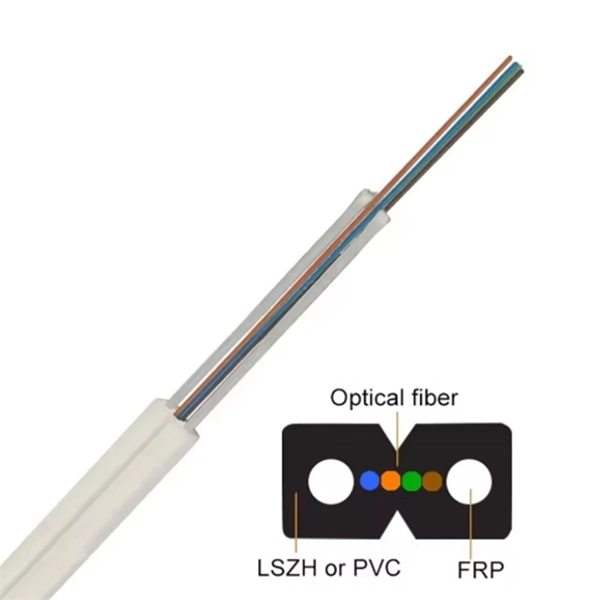
How To Choose Fiber Cable Outer Sheath Materials?
Choosing the appropriate outer sheath material for fiber optic cables is crucial for ensuring the cable''s durability, protection, and performance under specific environmental conditions.
Cable Sheath Types Explained: LSZH vs HDPE vs LDPE
Choosing the wrong sheath material may not cause immediate failure, but it often leads to accelerated aging, regulatory issues, or repeated field replacements. This article explains the
18 Cable Sheath Materials Explained
We will look into the 18 common and specialized sheath materials in this section, exploring their features, such as advantages, disadvantages, and situations for use.
6 Fiber Cable Outer Sheath Materials and How To
Indoor fibe optic cables can be sheathed with PVC, and outdoor fiber optic cables can be sheathed with PE. When flame-retardant is required, LSZH,
What Is HDPE Sheath For Outdoor FTTH
This article explains what an HDPE sheath is, how it compares with other jacket materials, and why HDPE is the preferred choice for outdoor FTTH and Quick ODN deployments.
CABLE PROTECTION AND SHEATHING
Standard LSZH (Low Smoke Zero Halogen) material is produced from polyolefin''s and is filled with flame-retardants in the form of aluminium or magnesium hydroxide. This sheathing compound is
Outdoor Fiber Optic Cable | Outside Plant Fiber (OSP) Cable
Should I deploy loose tube or ribbon cable for my outdoor cable design? Loose tube cables are the most commonly deployed outdoor cable design, featuring a central strength member, stranded buffer
Fiber Optic MPO Cable Sheaths: LSZH, OFNP, OFNR, Armored
Discover the best fiber optic cable sheath for your MPO fiber optic cable assemblies from the fire rating, wear resistance, and application environment.
28 Selection_of_the_Correct_Optical_Cable
Most Outside Plant optical cables are made from medium density or high density polyethylene with carbon black for UV stabilization. In North America the National Electric Code dictates that this type
Polyethylene (PE) optical cable sheath material: performance
Material introduction Polyethylene (PE) optical cable sheath material is an outer protective material designed for optical fiber cables, with excellent mechanical strength, weather resistance and
28 Selection_of_the_Correct_Optical_Cable
Introduction This Cable Jacket Selection Note is intended to provide the reader with an organized selection methodology when selecting the optimum optical cable for a specific application. Sheath
Indoor optical fiber cable outer sheath material
Indoor fiber optic cables are an essential component of modern telecommunications infrastructure, providing fast and reliable data transmission within buildings and other indoor
What Is HDPE Sheath For Outdoor FTTH
Outdoor FTTH reliability starts with the right cable sheath material. As a professional Quick ODN solution provider, BWNFiber supports ISPs, FTTx operators, and fiber contractors with
A Guide to Cable Sheaths and Jacket Types
Cables with a CST protective layer are ideal for use outdoors where steel wire armour would be excessive but where some mechanical protection is required to protect the cable. SWA
Fiber Optic Cable Indoor
The Fiber used in TEXA NETWORK''s Fiber Op c cables, are made of pure silica and germanium doped silica. A UV curable acrylate material is applied over the Fiber Cladding as primary protec ve coa ng.
Fiber optic cable outer sheath material
Fiber optic cable with sleeve material. Select fiber optic cables of different materials according to the layout area Generally speaking, Plenum fiber optic cables are suitable for use in
Selection of the Correct Optical Cable Outer Jacket for the Application
Introduction This Cable Jacket Selection Note is intended to provide the reader with an organized selection methodology when selecting the optimum optical cable for a specific application. Sheath
Cable Sheath Materials
Insulation and sheath are the components of a cable that protect the conductor. The insulation isolates the flow of electricity, and the sheath wraps around the outside of the cable to
Related Video Reference
This video was associated with the source search result. Verify technical details against current product documentation and project requirements.