
Overload Relay Types And Tripping Overload
Search optical fiber, connectivity, cable management and network infrastructure references.
- Overload
- Relay
- Types
Articles and technical references
8 on this page-
What types of relay protection does a circuit breaker provide
Once a system failure has been identified, the device is protected by a protective relay. The two principles that these relays operate on are electromagnetic attraction. A practical guide to how protective relays detect faults, trip circuit breakers, coordinate protection...
-
Five common types of relay protection devices
Protective Relays: Types, Working Principle & UsesCommon protective relay types include overcurrent, ground fault, differential, distance, directional, vol.
[PDF Version]
-

Relay protection against three types of errors refers to
Protective relays are power system protection devices that monitor current, voltage, frequency, impedance, or differential quantities and command circuit breakers when faults or abnormal conditions occur. Engineering use: Relays are used on feeders, transformers, buses...
-
Reset of overload relay protector
Knowing how to reset overload relay correctly is critical for system safety and longevity. Here's a simple guide: Identify the cause of the overload (e., jammed motor or voltage surge). Understanding how to reset an overload relay is essential for maintaining operational...
-
Relay protection fault curve
This balance of speed and coordination is achieved through IEC curves, which define the operating times of Overcurrent (OC) and Earth Fault (EF) relays under different fault conditions. Importance of IEC Curves IEC curves are used to: Ensure selectivity so that. In protection...
[PDF Version]
-
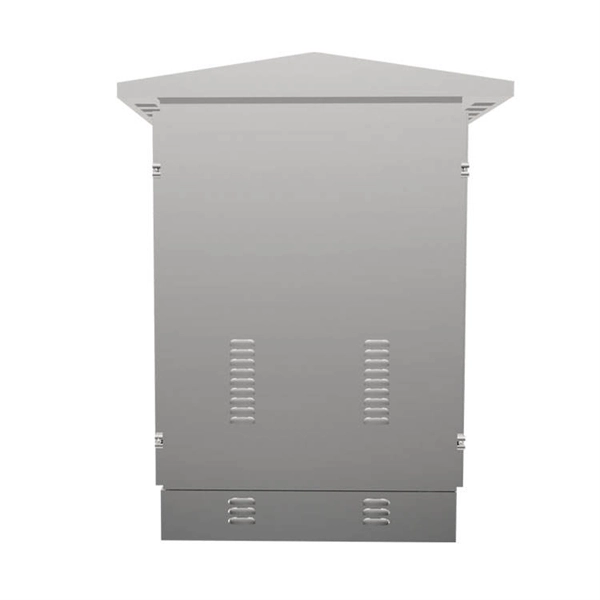
Relay Protection TCJ
Electromechanical relays can be classified into several different types as follows: "Armature"-type relays have a pivoted lever supported on a hinge or knife-edge pivot, which carries a moving contact. These relays may work on either alternating or direct current, but for...
-
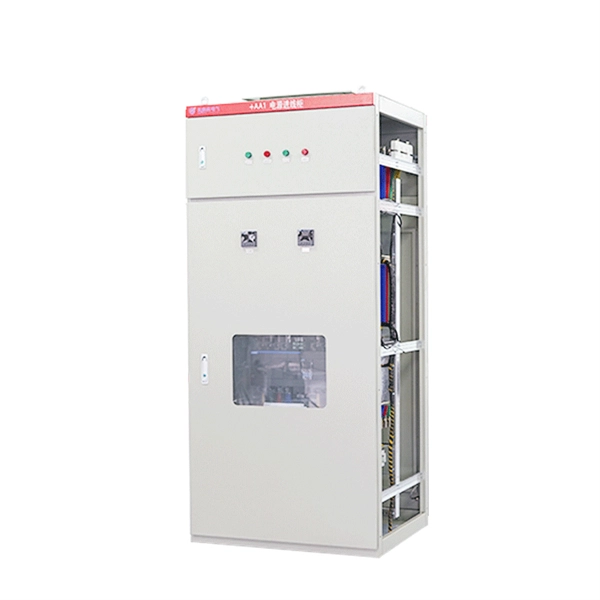
Accuracy of Microcomputer Relay Protection Tester
Generally speaking, the typical accuracy of microcomputer relay protection testers is 0. 2%, but specific requirements may vary depending on the testing scenario. It can simulate various operating conditions of the power system, such as normal. 1. It can test not only various...
[PDF Version]
-
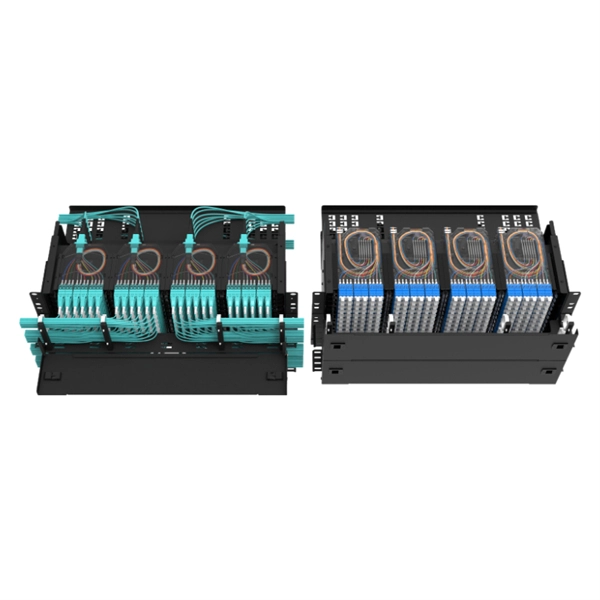
Advantages of Relay Protection Circuit Design
Motors: Prevents damage due to overcurrent, single phasing, or earth faults. Industrial Systems: Ensures uninterrupted operation of critical equipment. High accuracy and fast response. Multi-function capability (monitoring, protection, and communication). Frequency Relay...
[PDF Version]