
How can one identify a broken fiber optic cable?
To identify a broken fiber optic cable, start by performing a visual inspection for any physical signs of damage, such as bends, cracks, or breaks...
Search optical fiber, connectivity, cable management and network infrastructure references.
This article compares connector terminations, mechanical splicing, and fusion splicing, explaining when each technique is preferred in 2024 deployments. We'll cover everything from connector end-face geometry to step-by-step procedures for both field termination and. An...
[PDF Version]
When laying loops of fiber on a surface during a pull, use “figure-8” loops to prevent twisting the cable. The figure 8 puts a half twist in on one side of the 8 and takes it out on the other, preventing twists. During installation, all curvatures should be smooth. Turn-backs...
[PDF Version]
Low-voltage wiring refers to insulated wire with non-metallic sheathing that transmits 50 volts or less of electricity. Standard power outlets in the United States and Canada carry 120V, and most lightin.
Check Fiber Cables : Look for visible damage, sharp bends, or loose connectors. Clean Connectors : Use lint-free wipes and isopropyl alcohol to remove dust or oil. Fiber optic networks are the backbone of modern data centers and communication systems, valued for their high...
[PDF Version]To identify a broken fiber optic cable, start by performing a visual inspection for any physical signs of damage, such as bends, cracks, or breaks...
There are several methods to test fiber optic cables without a tester. One method is using a visual fault locator (VFL), as mentioned earlier, to v...
Intermittent fiber optic connections can be caused by a variety of factors, including: Poorly terminated connectors or splices that result in unsta...
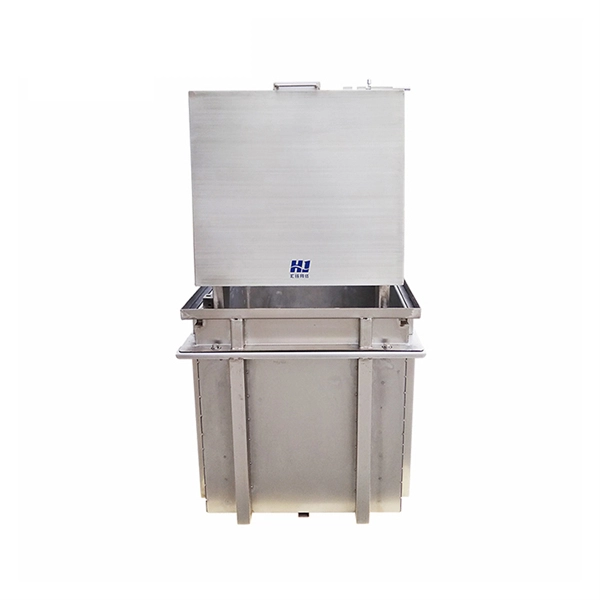
Advanced manufacturing techniques, such as lithography and ion beam sputtering, are employed to achieve surface flatness and coating uniformity, ensuring that the splitter performs exactly as intended. Beam splitters are primarily categorized into two types: transmission type...
[PDF Version]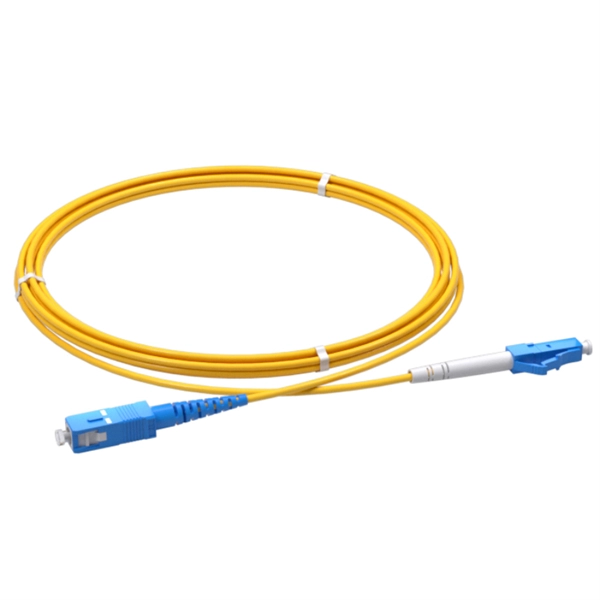
If you're new to fiber optics or want to enhance your technical skills, this guide will help you understand how to splice fiber pigtails safely and efficiently. --- 🔧 In This Video You'll Learn: ✅ What fiber pigtails are and why they're used ✅ How to strip, clean, and. This...
[PDF Version]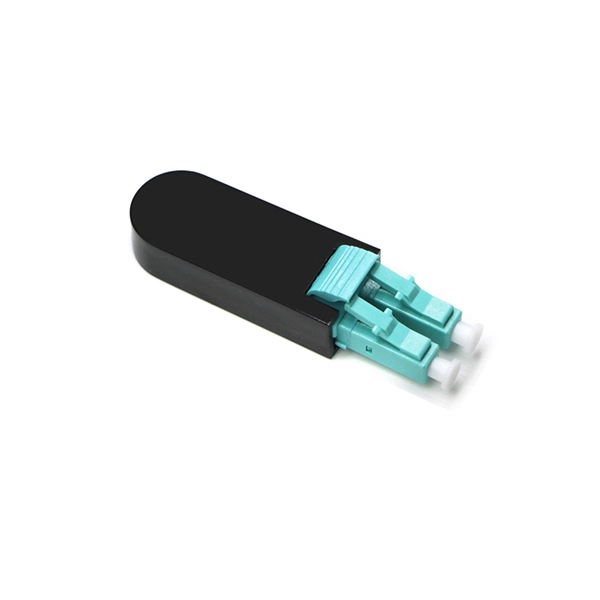
This comprehensive guide examines all major fiber installation methods, from underground trenching to submarine cable laying, providing technical insights drawn from industry best practices and real-world deployment experiences. We should always consider the restrictions...
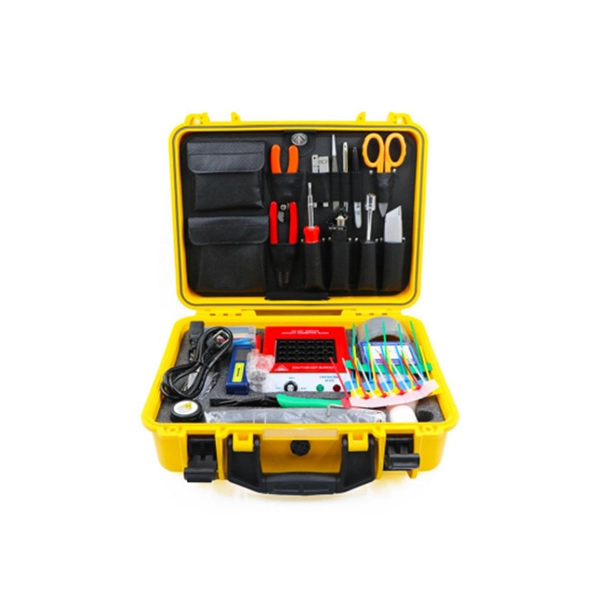
Check for proper IP/NEMA ratings and material quality. Ensure safe placement: install in dry, accessible areas with good ventilation and at appropriate height (typically ~1. Practice good wiring: secure grounding, neat cable management, proper insulation, and correct wire...
[PDF Version]Share the fiber interfaces, termination capacity, cable route and evidence required for handover.