
Pem Econnect Busbar Connector System
Search optical fiber, connectivity, cable management and network infrastructure references.
- Econnect
- Busbar
- Connector
Articles and technical references
10 on this page-
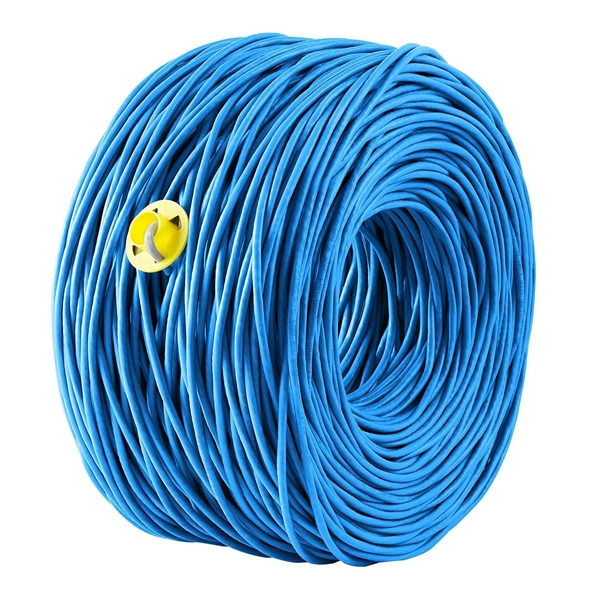
How to connect the busbar connector after bending it
This method uses rivets to join busbars by creating holes in the bars and securing them together. It offers a tight and cost-effective joint. Welding techniques, including traditional welding and braze welding, are used to firmly join busbars, providing superior and...
[PDF Version]
-
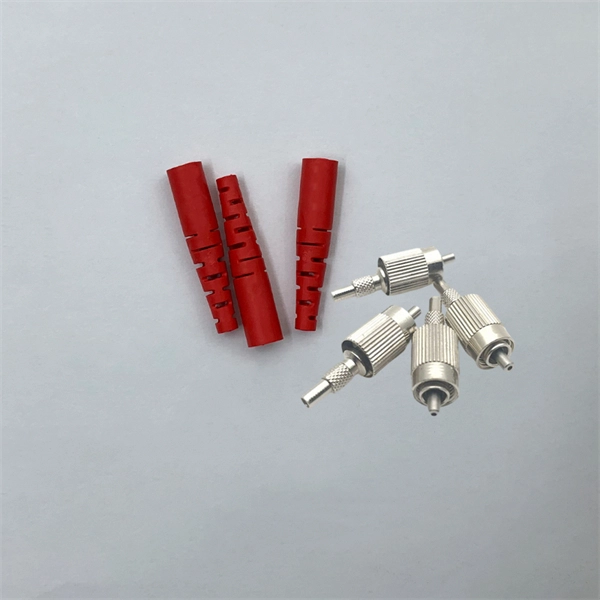
Which side of the busbar connector is grounded
Positive busbars, which collect all positive connections. An electrical ground bus bar is a conductive bar made from materials like copper or aluminum, and it serves as the central point for connecting multiple grounding conductors in an electrical system. In subpanels, the...
-
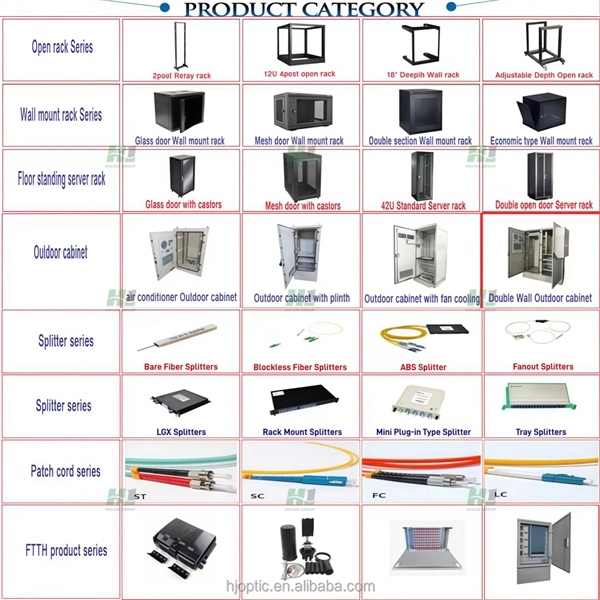
Loose busbar connector
This article explains the failure mechanism behind loose busbar connections, why they are invisible to every inspection method except thermography, and how structured thermographic reporting turns detection into prevention. Every electrical connection has contact resistance...
[PDF Version]
-
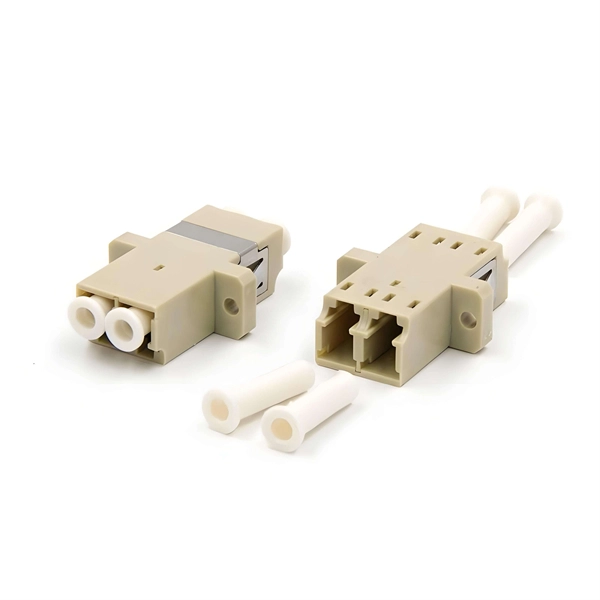
Busbar connector location
A bus stab (also known as bus fingers or bus connector) is the protruding tab the busbar designed for a breaker to snap onto and make electrical contact. Each hot busbar has two bus stabs, allowing two full-size breakers to connect one on the left side and one on the right...
[PDF Version]
-
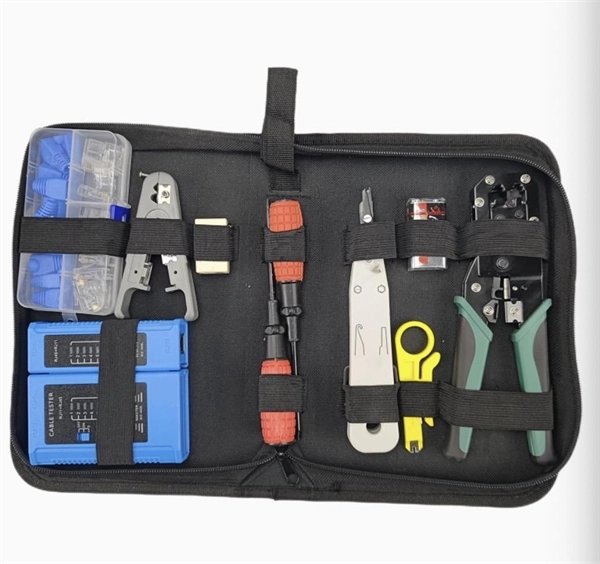
How to wire a busbar connector
Correctly connecting wires to busbars is essential for reliable power distribution and safety. Strip insulation from the main service wires using wire strippers. If you've ever wondered how to achieve a flawless busbar installation, you're in the right place. In DC systems...
[PDF Version]
-
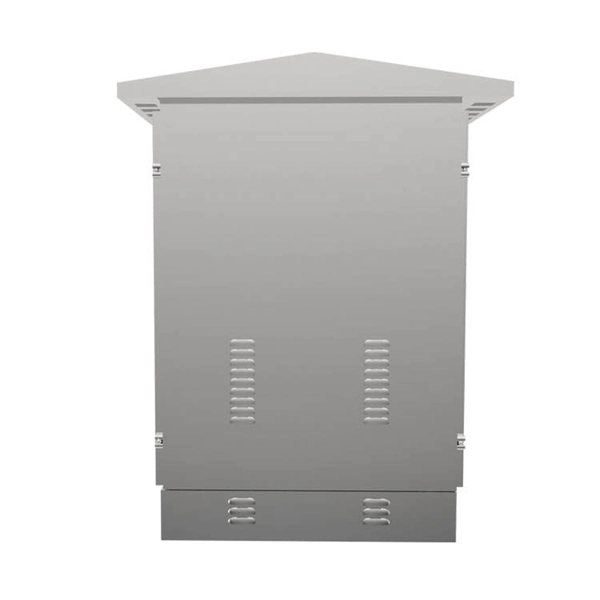
Copper busbar connection of the head unit
It is usually necessary to joint busbars on site during installation and this is most easily accomplished by bolting bars together or by welding. For long and reliable service, joints need to be carefully made with controlled torque applied to correctly sized bolts. Drawing...
[PDF Version]
-
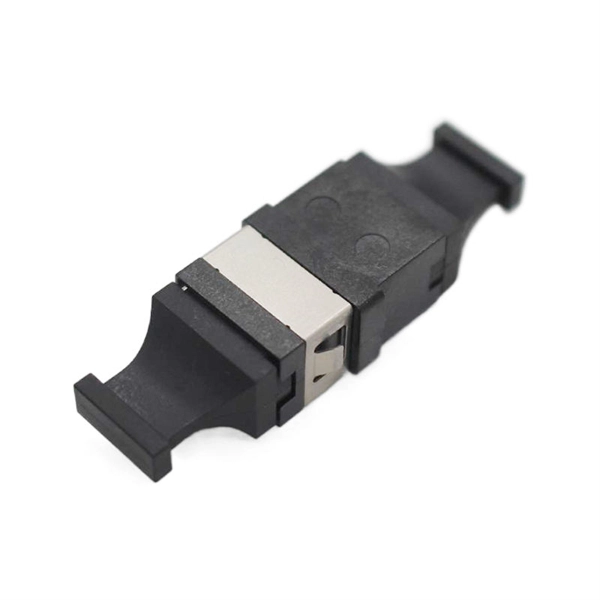
Is the busbar inside the switchgear
A busbar is a metal bar, usually made of copper or aluminum, that carries electricity inside switchgear. It connects the incoming power to circuit breakers and outgoing circuits, helping power flow smoothly and evenly. Good busbar design helps prevent overheating and...
[PDF Version]
-
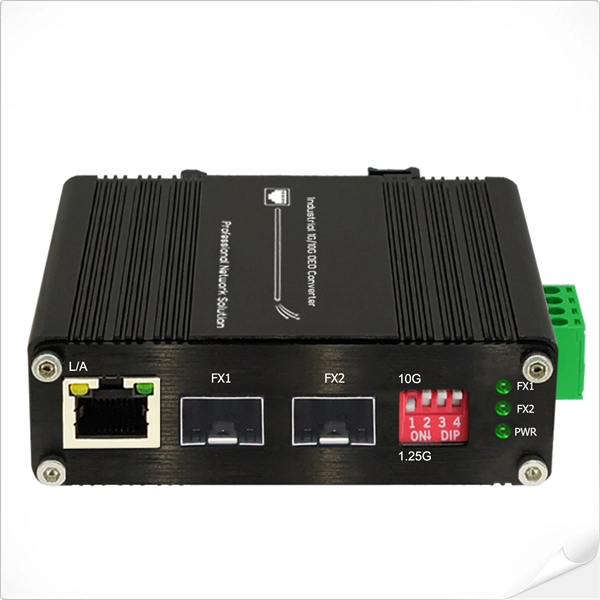
Buy ST pigtail connector
High-quality fiber optic pigtails for terminating and splicing in any network environment. We stock a wide variety of pigtail fiber types, including single mode and multimode, with all major connector option.
-
Distance of high-voltage busbar
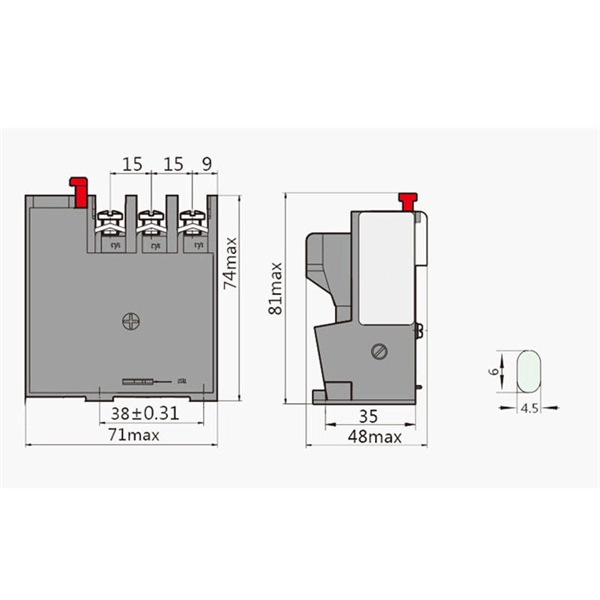
The NEC requires a minimum spacing of 12 inches (305 mm) between busbars, but this can be reduced based on the busbar current and configuration. It requires consideration of voltage levels, environmental conditions, and manufacturing processes, adherence to relevant...
-
Uneven voltage at the 35kV busbar
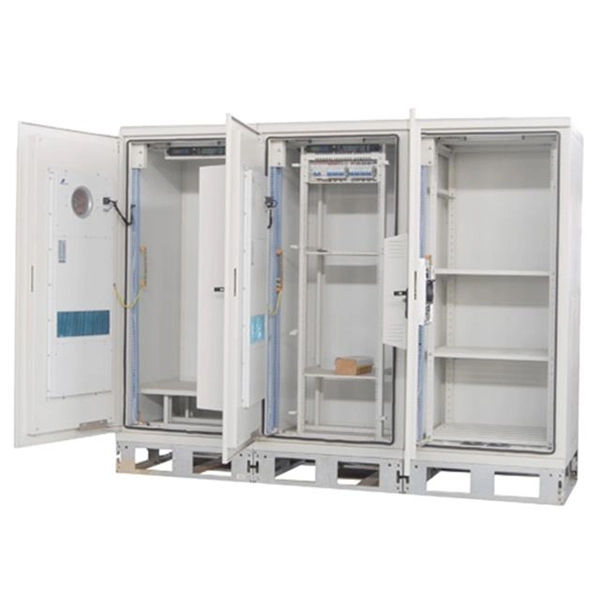
Voltage Drops: Unusual voltage drops or fluctuations in the busbar system can indicate excessive current demand or poor connections. Current Imbalance: Uneven current distribution among connected loads can lead to overheating, reduced performance, or equipment damage. After...
[PDF Version]