Skip to content
PROMETHEASOPTICAL Send a project enquiry
Reference library

Performance Requirements for Indoor Distribution Boxes

Published
  • Performance
  • Requirements
  • Indoor
Source context

AI source overview

Indoor distribution boxes must comply with NEC and IEC standards, provide adequate protection against electrical hazards, and meet IP/NEMA ratings for environmental and mechanical safety.

Key Standards and Compliance

Indoor distribution boxes are governed primarily by National Electrical Code (NEC) and International Electrotechnical Commission (IEC) standards, which ensure safe and reliable operation in low-voltage electrical systems (up to 1000 V) ( ). Compliance with these standards addresses: Electrical safety: Proper insulation, short-circuit protection, and arc flash hazard mitigation. Grounding and earthing: Ensures personnel and equipment protection from electrical faults.

Voltage and current ratings: Boxes must handle expected loads without overheating or voltage drop issues ( ).

Environmental and Mechanical Protection

Even for indoor applications, distribution boxes must provide protection against dust, moisture, and mechanical impact: Ingress Protection (IP) ratings: Common indoor ratings include IP20 to IP55, depending on exposure to dust or accidental contact (, ).

NEM

A ratings: For North American installations, NEMA 1 or NEMA 4 enclosures are typical for indoor use, providing protection against dust and light splashing ( ). Mechanical impact: IK ratings may be specified to ensure resistance to accidental knocks or impacts ( ).

Material Selection

Material choice affects durability, corrosion resistance, and thermal performance: Steel (CRS or GI): Often used for structural strength and fire resistance (, ). Stainless steel (304/316): Provides superior corrosion resistance, especially in humid or chemically active indoor environments ( ).

Polycarbonate or AB

S blends: Lightweight and electrically insulating, suitable for less demanding indoor conditions ( ).

Thermal and Electrical Performance

Heat dissipation: Adequate ventilation or internal layout to prevent overheating of components. Bus bar and component spacing: Ensures safe clearance and prevents short circuits ( ). Short-circuit protection: Use of MCCBs, fuses, or circuit breakers appropriate to the load ( ).

Safety and Maintenance Considerations

Labeling: Clear identification of hazards, operating procedures, and voltage ratings. Maintenance access: Sufficient working space for safe inspection and servicing. Regular inspection: Early detection of wear, corrosion, or electrical faults ( ).

Arc flash analysis: Determines required PPE and safe working practices ( ).

Testing and Certification

Type testing: IP/NEMA certification, dielectric and insulation testing, and mechanical impact tests. Third-party verification: Certificates from accredited labs ensure compliance with standards (, ).

Summary

To meet performance requirements, indoor distribution boxes should: Comply with NEC and IEC standards for electrical safety. Achieve appropriate IP/NEMA ratings for environmental protection. Use durable materials suitable for indoor conditions.

Ensure thermal management, proper spacing, and short-circuit protection. Include clear labeling, safe maintenance access, and regular inspections. Be tested and certified by recognized laboratories to verify compliance and reliability.

Following these standards ensures that indoor distribution boxes operate safely, reliably, and efficiently while protecting both personnel and equipment.

Research context

Reference summary

Distribution Box and Selection Guide: Internal Structure, Components. Learn how to choose a distribution box and understand its internal structure, inclu.

From reference to enquiry

Questions for your project

Use these editorial prompts alongside the linked excerpts. They identify items to confirm for your project.

Technical notes

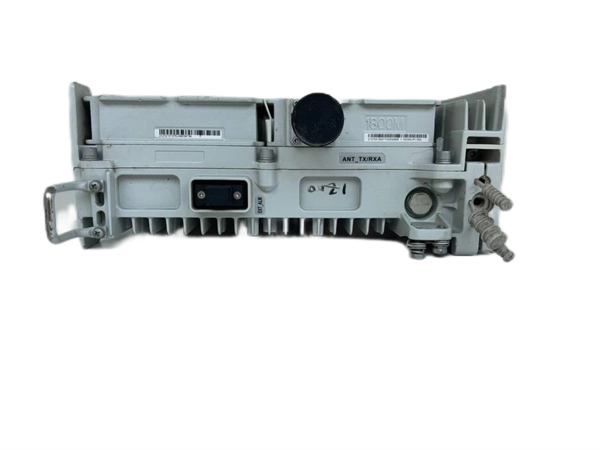
Illustrative equipment image

Distribution Box and Selection Guide: Internal Structure, Components

Learn how to choose a distribution box and understand its internal structure, including MCBs, busbars, neutral bars, earth bars, RCDs, RCBOs, SPDs, enclosure ratings, and wiring layout.

Indoor vs Outdoor Distribution Boxes for Real Applications

Although both systems aim to prevent ingress and accidental contact, indoor and outdoor distribution boxes diverge markedly in expected IP and NEMA

Indoor Distribution Box (30P, 60P, 100P)

They are used for Indoor wire termination in buildings.The TS-DB indoor Distribution Points can be installed in two ways: direct wall installation and wall embedded installation.

The installation requirements for the distribution box

In this guide, we''ll break down everything you need to know to install a distribution box correctly and confidently. Choose the right box based on environment (indoor/outdoor), load

Understanding Indoor 3 Phase Distribution Box: Composition,

Choosing the right indoor 3-phase distribution box is not just about matching technical specs—it''s about ensuring long-term safety, compliance, and operational efficiency.

Data Sheet: Indoor Distribution Boxes Family

The Indoor Distribution boxes family serve as a connection and branching solution for indoor use accommodating different types of LSA-PLUS® modules. Various capacities, materials, locking and

IEC / BS 7671 Codes for Consumer Unit and Distribution Board

The IEC (International Electrotechnical Commission) and BS 7671 (British Standard for Electrical Installations) both provide essential requirements for electrical installations, including those for fuse

Interior Distribution System Guide | PDF | Fuse (Electrical

The document provides detailed technical requirements intended to ensure interior electrical systems are installed in a safe, compliant manner.

Electrical Distribution Boxes for Power Distribution | Wieland

The distribution boxes are subject to a type test, which includes EMC, temperature, IP, the IK test and the corrosion test. In addition, a routine test is carried out, which consists of a visual inspection, a

Indoor vs Outdoor Fiber Box Technical Comparison

This article compares indoor and outdoor fiber boxes to guide engineers and procurement teams in selecting the correct distribution enclosure for FTTH and ODN network design.

Complete Guide For Distribution Boxes Types

Distribution boxes, also known as electrical distribution boards or panels, are pivotal components in electrical systems, ensuring the safe and organized distribution of electrical power throughout

Installation requirements for distribution boxes

Installation of closed or explosion-proof electrical facilities; distribution box electrical components, meters, switches and lines should be arranged neatly, firmly installed, easy to operate.

Ultimate Guide To Distribution Boxes Db Boxes Types

Supports future expansion and system upgrades From residential buildings to industrial plants, DB Boxes play a vital role in modern electrical infrastructure.

IEC Standard for Power Distribution Board Design and Layout

Designing a power distribution board is not just about placing components inside a metal box. It requires a deep understanding of international standards, safety practices, and electrical

Power DB Box Explanation

Learn about power distribution boxes (Power DB box), their essential components, functions, varieties, benefits, installation best practices, and troubleshooting tips for optimal electrical

What Is an Electrical Distribution Box? A Complete Guide

An electrical distribution box routes power, prevents overloads, and keeps wiring organised—essential for safe, efficient home and industrial setups!

DB BOX(Electrical Distribution Box): Everything You

Learn everything you need to know about the Electrical Distribution Box (DB Box). Explore types, materials, installation tips, etc.

Distribution Box Guide: Types, Components & Solutions

Understand distribution boxes (DB boxes) in 5 minutes. Learn about types, components, functions, and uses. Find the perfect DB box for your needs.

Share your network requirements

Share the fiber interfaces, termination capacity, cable route and evidence required for handover.

Send a project brief