
Technical notes
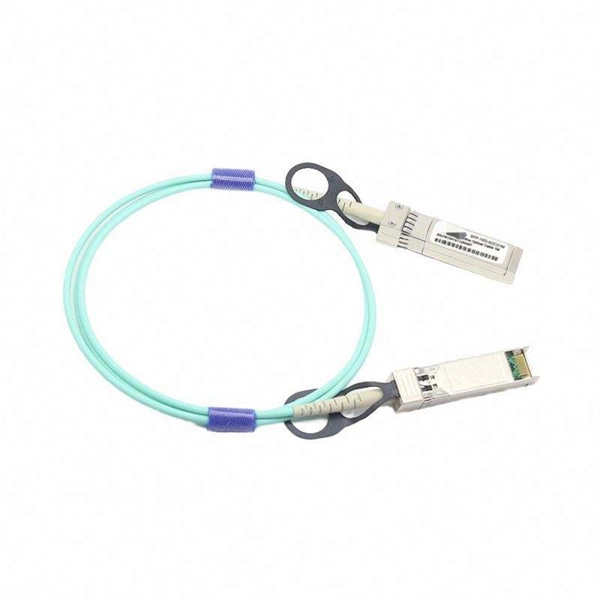
Fiber Optic Pigtail: The Complete Guide to Types,
Confused about fiber optic pigtails—which connector type, which polish, fusion or mechanical splice? Our guide covers LC vs SC, APC vs UPC,
Fiber Patch Cord & Pigtail: Types, Specifications & Selection | Opelink
Q1: What is the difference between a fiber patch cord and a pigtail? A fiber patch cord has connectors on both ends, used to connect active equipment (switches, routers, ONTs) or to connect
Fiber Optic Patch Cords & Pigtails Selection Guide
Learn how to pick the right fiber optic patch cord or pigtail. Avoid installation errors. Based on 12+ years of field experience. Step-by-step guide
Fiber Optic Pigtails: Uses & Differences from Patch Cords
Understand fiber optic pigtails — definition, types, and how they differ from patch cords. Learn why pigtails ensure reliable, low-loss fiber terminations.
Fiber Optic Cable vs Patch Cord vs Pigtail – Complete
When you build or upgrade a fiber network, the same four words pop up everywhere— fiber optic (bare fiber), pigtail, patch cord, optical cable. They''re
Fiber Optic Pigtail: Types, Splicing Guide, Specs & Price
A fiber optic pigtail is a short cable with one factory-polished connector and one bare fiber end. The connector is usually SC/APC for FTTH, LC/UPC for data centers, or FC/ST for industrial work.
Fiber Optic Pigtails: Types, Uses & How to Splice Them
Learn fiber optic pigtails types and uses in plain English. Compare LC, SC, MPO connectors, single-mode vs multimode, and follow our step-by-step splicing guide.
Fiber Patch Cable & Pigtail Selection Guide
A comprehensive guide to selecting fiber patch cables and pigtails, covering single-mode vs multimode fiber differences, LC/SC/FC/ST connector comparisons, UPC vs APC polish selection, cable jacket
Pigtails vs Patch Cables – Fibre Optic Comparison Guide
Compare pigtail vs patch cable connectors for fibre networks. Learn when to use each, cost analysis, splice techniques and selection criteria from Fiber Products.
Fiber Optic Pigtails in FTTH & ODN: Selection Guide
Featuring pre-polished, factory-tested connectors on one end and fusion-splice-ready bare fibers on the other, pigtails enable standardized, repeatable, and ultra-low-loss fiber termination in
Demystifying Fiber Test Methods – Back to Basics
Demystifying Fiber Test Methods – Back to Basics Fiber Optic Cable Testing Methods Fiber optic networks are the backbone of modern telecommunications, providing high-speed data transmission
Pigtails vs Patch Cables – Fibre Optic Comparison Guide
Pigtails, Splice Pigtails, Patch Cables Comparison: Selection Criteria for Engineers The decision between pigtail and patch cable depends on several technical and economic factors.
The Ultimate Guide to Fiber Pigtail
Testing: Finally, test the newly installed fiber pigtail assembly using an optical power meter to ensure the splice provides a clear signal path.
The Complete Guide to Pigtail Fibers: Simplifying Optical Connectivity
IntroductionIn the world of fiber optics, where speed and precision reign supreme, pigtail fibers are the unsung heroes bridging the gap between networks and devices. Whether you''re
What is a Fiber Optic Pigtail, and What Is It Used For?
LC Fiber Optic Pigtail: A non-optical disconnect connector with a 1.25mm pre-radiused zirconia or stainless alloy ferrule, the LC pigtail cable connector is cost-effective for usage in high
Understanding Fiber Optic Pigtails: Types and
Fiber Optic Pigtails are favored for their low insertion loss, high return loss, good interchangeability, and repeatability, making them very convenient to
Everything You Need to Know About Fiber Pigtails
This guide will help you learn about fiber pigtails. It covers what they are, their benefits, how to install them, and what to think about when choosing the right one.
How to distinguish between fiber optic patch cords and pigtails
This article will compare the characteristics of patch cords and pigtails in detail to help readers quickly select these two key fiber optic connectors.
Related Video Reference
This video was associated with the source search result. Verify technical details against current product documentation and project requirements.