
Protective Relay Working Types And Applications
Search optical fiber, connectivity, cable management and network infrastructure references.
- Protective
- Relay
- Working
Articles and technical references
7 on this page-
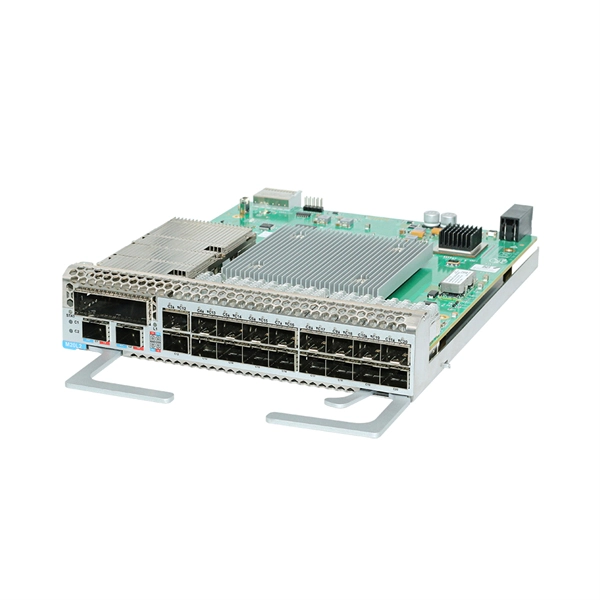
Examples of Relay Protection Applications
It covers the protection methods for generators, transformers, buses, and transmission lines using various relay types to detect and isolate faults efficiently. Protective relays can be classified based on their operating principle, construction, or function: 1. This guide...
-
What types of relay protection does a circuit breaker provide
Once a system failure has been identified, the device is protected by a protective relay. The two principles that these relays operate on are electromagnetic attraction. A practical guide to how protective relays detect faults, trip circuit breakers, coordinate protection...
-
Five common types of relay protection devices
Protective Relays: Types, Working Principle & UsesCommon protective relay types include overcurrent, ground fault, differential, distance, directional, vol.
[PDF Version]
-
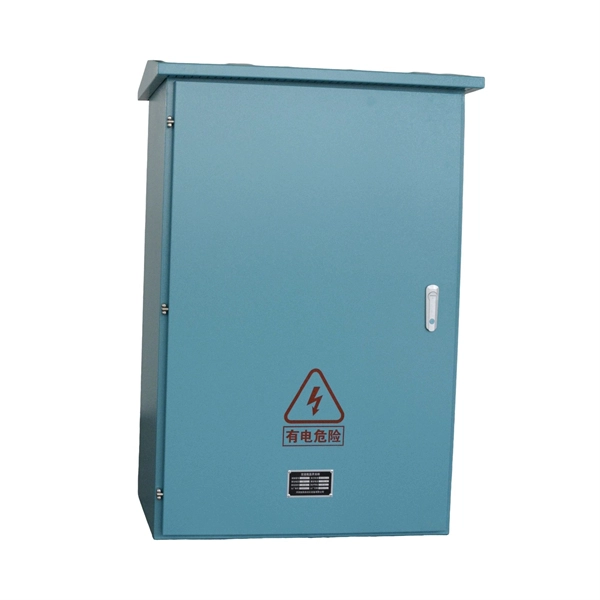
Relay protection against three types of errors refers to
Protective relays are power system protection devices that monitor current, voltage, frequency, impedance, or differential quantities and command circuit breakers when faults or abnormal conditions occur. Engineering use: Relays are used on feeders, transformers, buses...
-
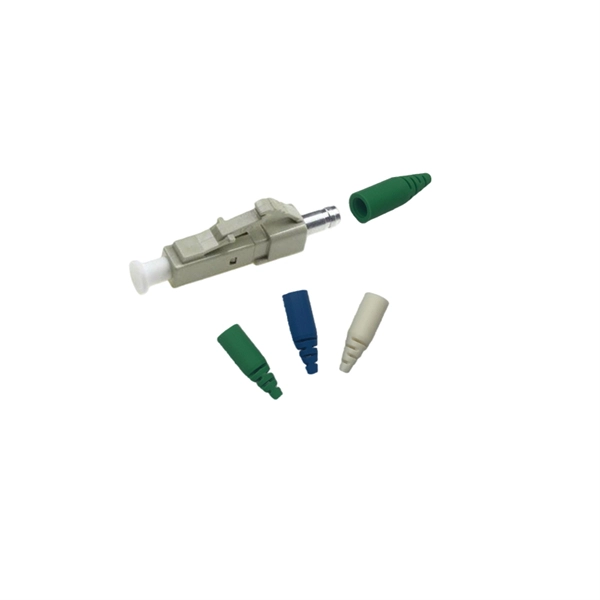
Relay Protection Applications in Wind Farms
Relay protection system for wind farm The isolation cabinet is independently arranged for the protection device, so that the action reliability of relay pr.
[PDF Version]
-
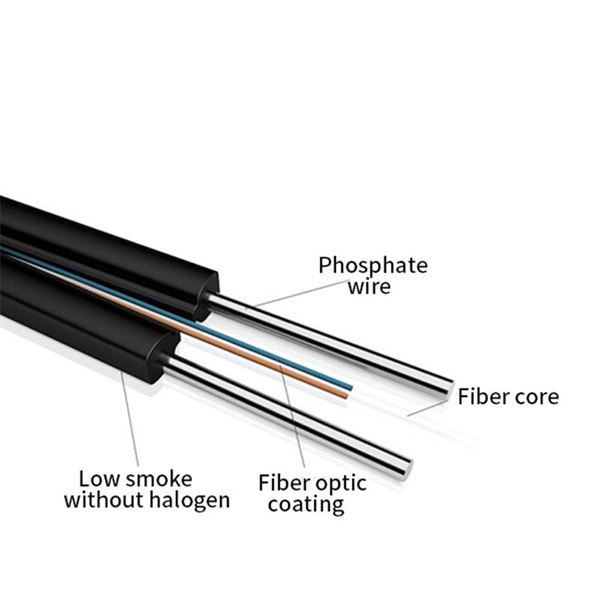
Types of fiber optic protective sleeves
How to choose a fiber optic splice protection sleeve: single vs double needle, 40/45/60mm sizes, ribbon & micro sleeves, and quality checks for FTTH fusion splices. The splice sleeve is the cheapest part in a fusion splice — and the one that decides whether the splice...
[PDF Version]
-
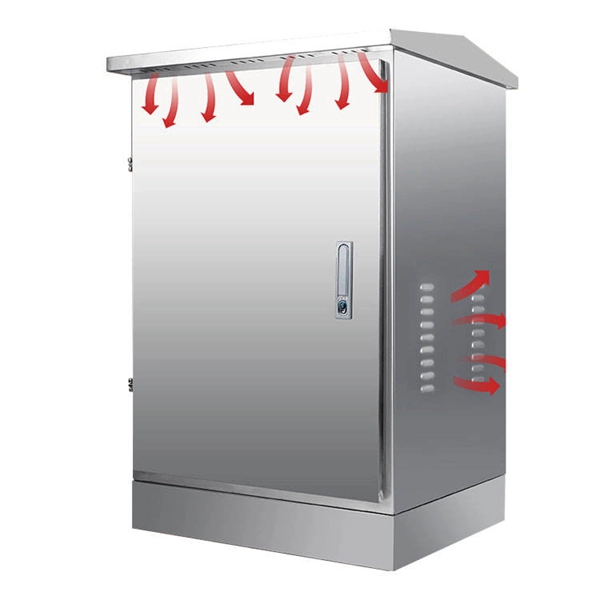
Relay protection fault curve
This balance of speed and coordination is achieved through IEC curves, which define the operating times of Overcurrent (OC) and Earth Fault (EF) relays under different fault conditions. Importance of IEC Curves IEC curves are used to: Ensure selectivity so that. In protection...
[PDF Version]