
Technical notes
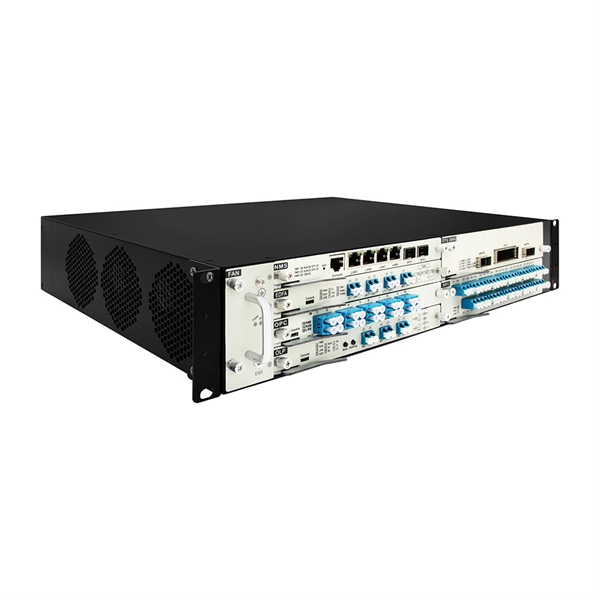
Optical Fiber Cable Engineering Construction: A Comprehensive
Optical Fiber Cable engineering construction refers to the process of designing, planning, executing, and maintaining communication system infrastructure by deploying optical cables and associated
The FOA Reference For Fiber Optics
Of course the deliverables include the physical cable plant described in the SOW, but also must include full documentation and test results, and maybe even a warranty.
10 STAGES OF FIBER OPTICS PROJECT IMPLEMENTATION
The document outlines the implementation stages of an optical fiber project, detailing the necessary steps from route survey to documentation of test results. It covers key processes such as trenching,
FOA Standard For Installing Fiber Optic Cable Plants
Fiber optic cables may contain multimode optical fibers, singlemode fibers or a combination of the two, in which case it is generally referred to as a “hybrid” cable.
OSP Fiber Project Implementation Stages
This document outlines the 10 stages of an optical fiber project: 1) Proposed route survey with GPS and mapping software 2) Drafting the survey results in AutoCAD 3) Trenching including asphalt cutting,
A High-Level Overview of the Fiber Construction Stages and What to
Get a high-level overview of the fiber construction stages and what to expect. This comprehensive guide explains each step of the process, helping you set realistic expectations and understand the impact
Recommended Practices for Optical Fiber Construction and Testing
These recommended practices cover all aspects of optical fiber construction and testing from project management, through deployment, to activation and testing. These practices are fundamentally
The FOA Guidelines For Fiber Optic Project Planners
One contractor subcontracted a landscaping company to dig trenches - they cut several fiber optic cables connecting buildings. Another subcontractor laid a fiber optic cable on the ground in high
Fiber Optic Cable Lifecycle Guide
This article will explore the three core stages: fiber optic cable selection and installation, usage and maintenance, and aging assessment and replacement, offering practical strategies for
Fiber Optic Installation Checklist | PDF | Optical Fiber | Cable Television
The document provides guidance on preparing for and conducting outside plant fiber optic cable installations. It discusses developing a comprehensive checklist to coordinate the project, reviewing
Project Management for Fiber Contractors
Different Phase of Project According to a paper issued by Fiber Optics Association (FOA) regarding Fiber Optic Cable Project Management Plan, there are four different phases on fiber optic
Master Your Fibre Optic Installation: Step-by-Step Best Practices
This comprehensive guide delves into the intricacies of fiber optic installation, exploring topics ranging from cable types and pre-installation considerations to execution, safety protocols,
The FOA Reference For Fiber Optics
Some items used on premises cabling projects should be stock items, like UTP cables, connectors or patch panels. Fiber optic cables, however, may have to be made to order. Many fiber optic cables
The FOA Reference For Fiber Optics
A fiber optic project begins with a need for communications and ends with an installed fiber optic cable plant and an operating network that fills that communications need.
The FOA Reference For Fiber Optics
Most false floor systems include cable trays for fiber optic cables. An armored indoor cables is sometimes used in underfloor applications to protect the fiber from
The FOA Reference For Fiber Optics
Fiber optic network design refers to the specialized processes leading to a successful installation and operation of a fiber optic network. It includes
Fiber Optic Installation Process: Complete Guide (2025)
Learn about the fiber optic installation process with our detailed guide. Understand each step to ensure a smooth and efficient setup for high-speed
Lashed Aerial Installation of Fiber Optic Cable
an existing lashed fiber optic or copper cable. This method of aerial cable installation, “overlashing,” is attractive because the expense of providing a separate suspens
Related Video Reference
This video was associated with the source search result. Verify technical details against current product documentation and project requirements.