
Technical notes
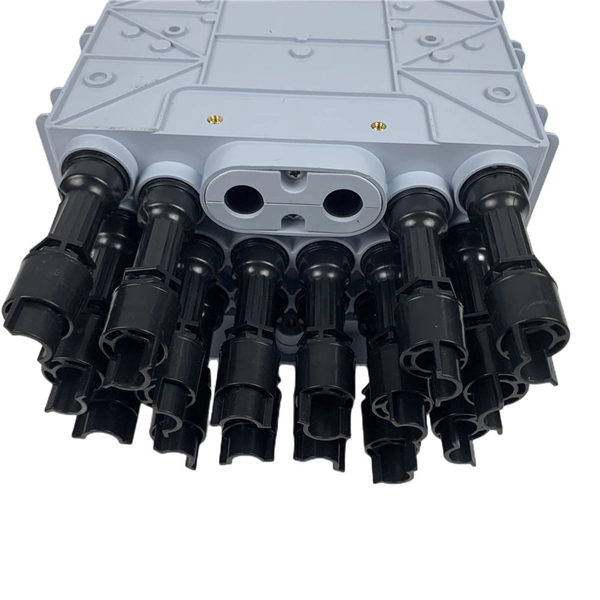
Industrial Control Panel Design Standards and Best Practices
Standards For Industrial Control PanelBest Practices For Industrial Control PanelsControl System Safety and EfficiencyIndustrial control panels (ICPs) contain electrical devices and control devices. Because of the different types of components, several standards and regulations apply to ICP design, production, and installation. ICPs must comply with these standards to ensure safety and performance. Below is a list of the most relevant standards that guide ICP desi...See more on control Electrical Technology
National Electrical Code (NEC) Requirements for Panelboards
The National Electrical Code (NEC) provides comprehensive safety standards for electrical installations, including requirements for electrical panels (main service panels and subpanels or breaker box).
Control Panel Wiring: Connection & Routing Tips
Learn how to design and wire control panels for performance, safety, and scalability. Get expert tips on layout, routing, standards, wire types, and labeling.
8 Essential Control Panel Wiring Guidelines for Electronics
There are many right and wrong ways to wire an industrial control panel according to NEC (National Electric Code) standards. Sure, the specs of the wire itself matter (and we''ll cover
Control Panel Wiring Standards: How to Build a Professional and
Learn professional control panel wiring standards, including cabinet layout, grounding rules, wiring principles, common mistakes, EMI prevention, and best practices for building clean and
Control Panel Wiring: Color Codes & Industry Standards
Need to understand control panel wiring color code and standards? Here we review UL, NEC, and NFPA requirements for industrial installations.
Guide to PLC Cabinets: Types, Layout, Wiring & Components
Learn the essentials of designing and wiring PLC control cabinets, including component selection, cooling, wiring tips, and safety standards.
Wiring Standards for UL 508A Panels: What You Need to Know
Explore essential electrical control panel wiring standards and how to choose the right control panel wire for industrial reliability.
How to Design Electrical Control Panels: A Step-by-Step Guide
Learn the step-by-step process for designing efficient electrical control panels, from understanding requirements to selecting components and ensuring proper wiring and safety.
Control Panel Layout And Wiring Best Practices
The quality of the wiring methods used in an industrial control panel can vary quite widely. This article summarizes what this author believes are some best practice when it comes to control panel layout
1910.303
Unused openings in boxes, raceways, auxiliary gutters, cabinets, equipment cases, or housings shall be effectively closed to afford protection substantially equivalent to the wall of the equipment.
Stumped by the Code? NEC Requirements Related to Cabinets for
The requirements related to cabinets for panelboards associated with repairing gaps in noncombustible surfaces are found in Sec. 312.4. Recessed cabinets for panelboards and cutout
Industrial Control Panel Design Standards and Best Practices
Industrial control panels are at the heart of control systems. Learn about the standards and regulations that dictate industrial control panel design for safety and efficiency, including NFPA
General Wiring Guidelines
General Wiring Guidelines Here''s sound planning advice on everything from circuit wiring, grounding, and boxes to circuit requirements room by room.
Distribution board
A distribution board (also known as panelboard, circuit breaker panel, breaker panel, circuit breaker, electric panel, fuse box or DB box) is a component of an electricity supply system that divides an
Industrial Control Panel Design Guide: Schematics,
Industrial control panel design requires careful consideration of schematics, regulatory standards, and environmental factors to ensure safety,
Cabinets and Panelboards
Explore a searchable database of US construction and building code. Code regulations are consolidated by state and city for easier navigation.
Best Practices for Control Panel Wiring
This document outlines best practices for control panel layout and wiring. It recommends using stranded wire rated for at least 600V 90 degrees C and minimizing wire ties when using wire ducts. Specific
Switchboards and Panelboards, based on the 2023 NEC
Article 408 covers the requirements for switchboards and panelboards that control power and lighting circuits. Bus arrangement Panelboards supplied by a 4-wire,
Related Video Reference
This video was associated with the source search result. Verify technical details against current product documentation and project requirements.