
Secondary Distribution System Solution
Search optical fiber, connectivity, cable management and network infrastructure references.
- Secondary
- Distribution
- System
Articles and technical references
10 on this page-
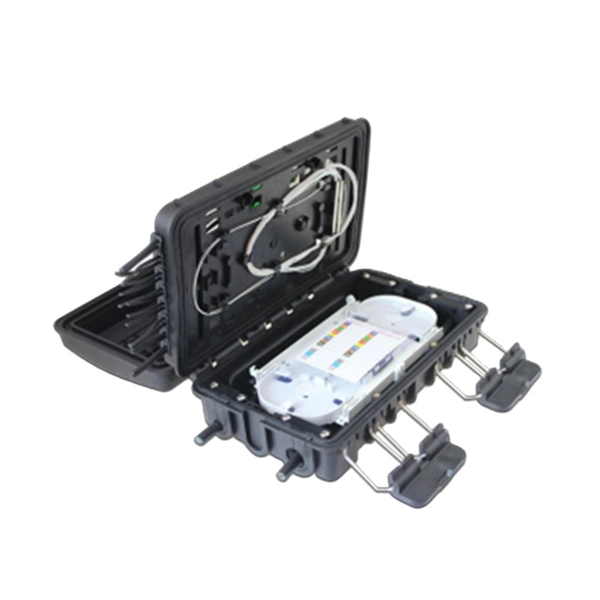
Where to install the secondary distribution box
The distribution box should be installed in an area close to the power supply to reduce power loss and ensure safety. Avoid installing in a humid and corrosive environment to prevent equipment damage. Select a well-ventilated and dry place to avoid poor heat dissipation...
-
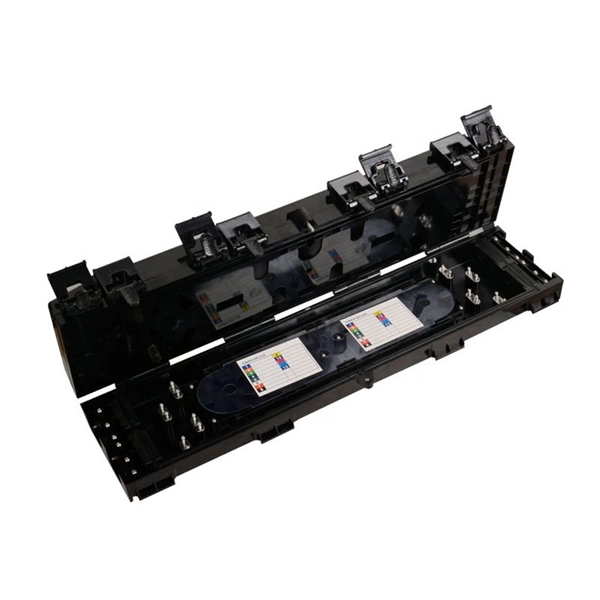
Grounding should be installed in the secondary distribution box
6 (A) addresses this issue directly, stating that: “grounding and bonding shall be installed to prevent objectionable current from flowing on non-current-carrying metal parts of electrical systems, conductors, and equipment. ”Grounding involves connecting to a ground or a...
[PDF Version]
-
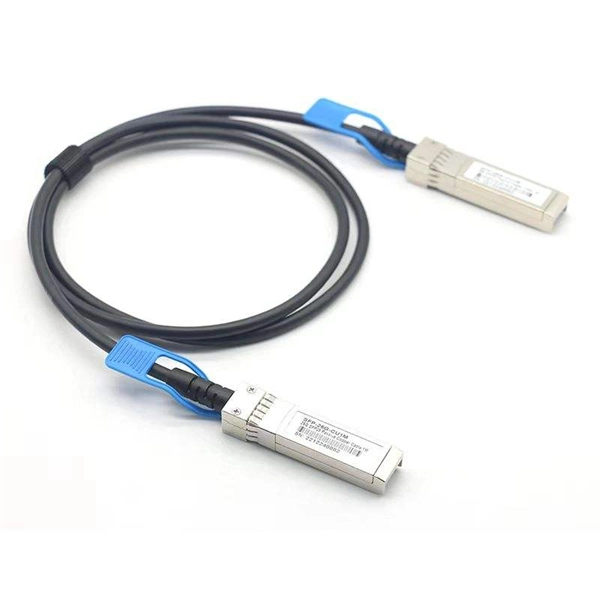
Maximum temperature of the secondary distribution box
Target Temperature: Keep internal temperatures below 95°F (35°C) to ensure safe and efficient operation. Passive: Vents, shade, and natural airflow – best for mild conditions. nternational Standard ISO 9001. Our commitment to the environment is reaffirmed with the...
[PDF Version]
-
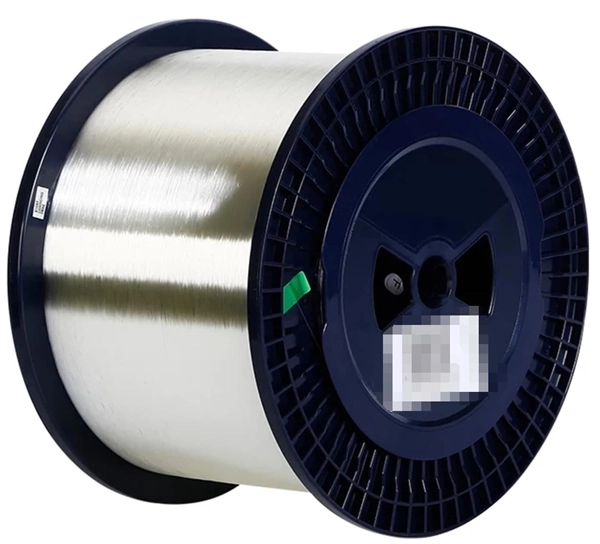
Physical Secondary Distribution Box
The Secondary Distribution Box (SDB) receives power from Main Power Distribution box via an extender cable and provides a central power distribution to feed normal branch circuits to the electric floor modules through snap-on extender cables. A feeder usually begins with a...
[PDF Version]
-
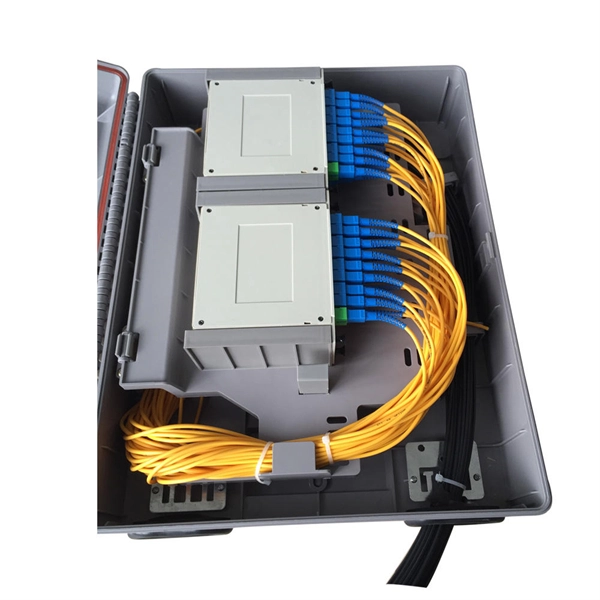
Distribution box Primary power distribution secondary protection
Primary distribution box: three-phase power supply, ground wire and zero wire are introduced from the transformer. A feeder usually begins with a feeder breaker at the distribution substation. At this. From the transformer's low-voltage side (0. From there, it is routed to...
-
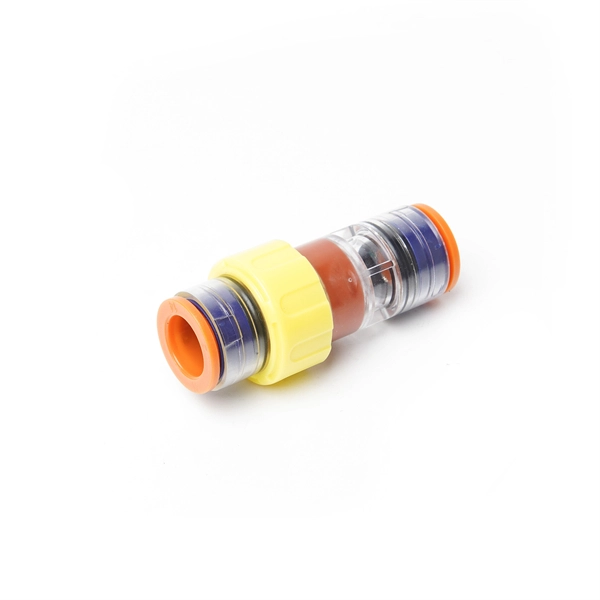
Requirements for Large-Scale Installation of Secondary Distribution Boxes
Check for proper IP/NEMA ratings and material quality. Ensure safe placement: install in dry, accessible areas with good ventilation and at appropriate height (typically ~1. It takes the incoming power and safely distributes it to different circuits throughout your building...
[PDF Version]
-
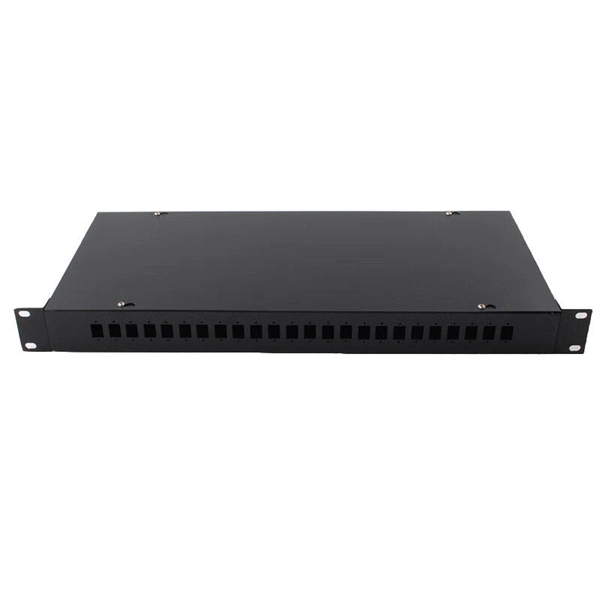
Observing the secondary power distribution box at the construction site
Observe permissible voltage drop – typically ≤ 3 to 5% end-to-end – including extension leads and cable reels, which must be fully unwound under load. A reliable construction site power connection is the foundation for safe workflows, predictable schedules, and the efficient...
[PDF Version]
-
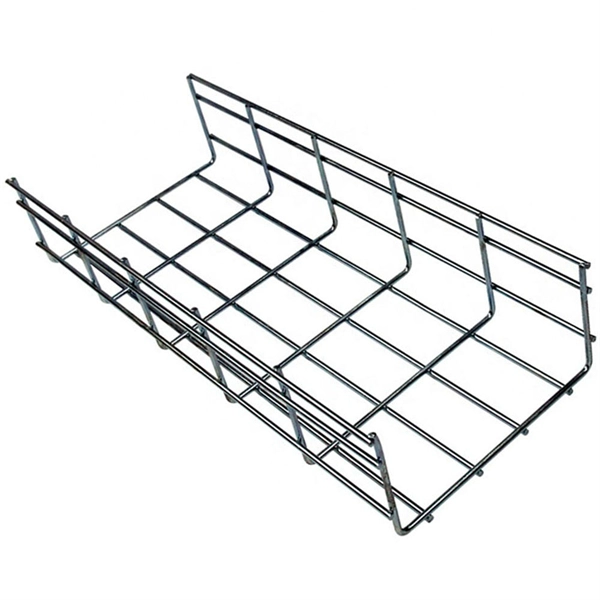
Price of reinforcement for secondary distribution boxes at construction sites
Buyers typically pay for reinforcement steel (rebar) based on steel market prices, bar size, and project scope. Main cost drivers include material grade, quantity, delivery distance, and any fabrication or bending required on site. It is also important to note that the bar...
-
What is a secondary distribution box in a factory
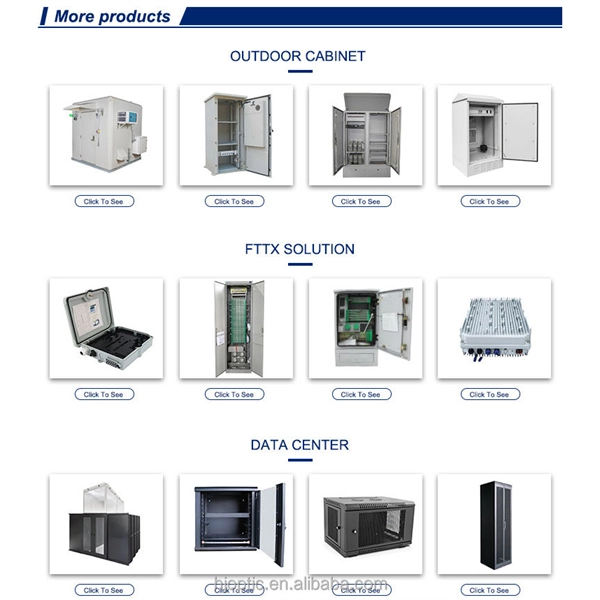
Secondary distribution boxes, also known as sub-distribution boxes, generally serve specific power supply areas. These boxes have inner and outer doors, powder-coated exteriors, and are designed for safety and aesthetic appeal, with rainproof tops for outdoor work. A feeder...
-
How many amperes does a secondary distribution box have
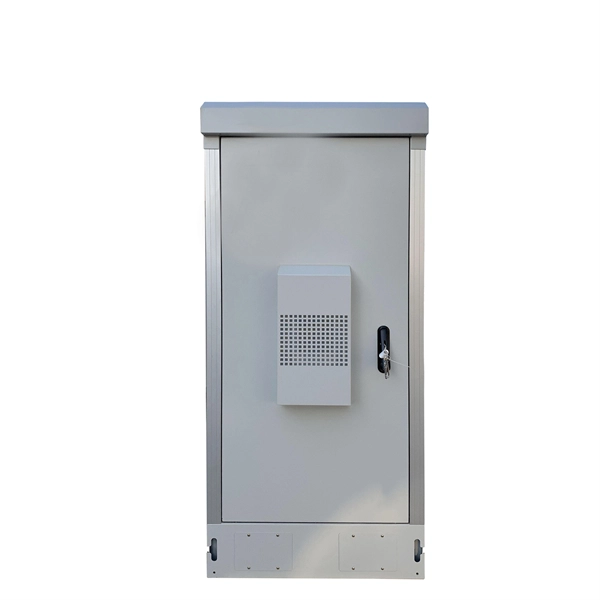
Sub-panels are manufactured with specific amperage ratings that dictate the maximum current they can safely handle. Common sizes for residential and light commercial applications include 50A, 60A, 100A, 125A, and 200A. A sub-panel serves as a secondary electrical distribution...
[PDF Version]