
Technical notes
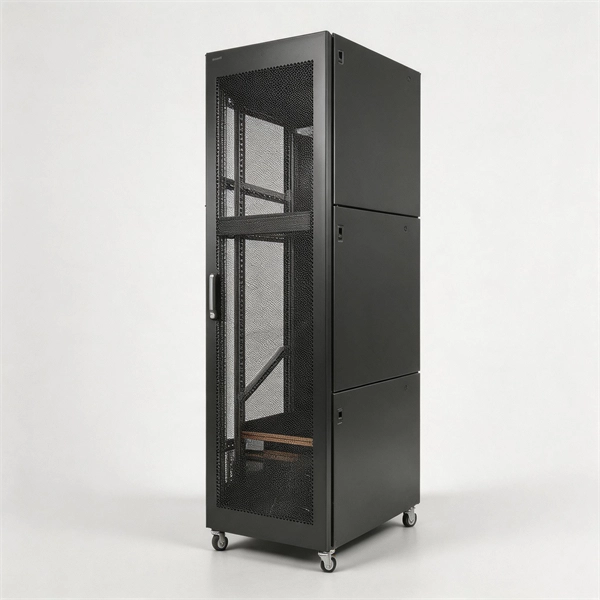
Core Switch
Core switches are defined as high-capacity switches located at the top of a cloud data center network, connecting aggregation switches and providing interfaces to wide area networks (WANs).
What Is a Core Switch? Network Backbone Architecture Guide
In a large enterprise, the core switch aggregates data from multiple distribution switches and routes it rapidly across the local area network (LAN) or toward the data center.
What is a Core Switch | Functions and Difference over Normal Switch
Multiple data switches are typically employed at the core layer of a network to route a huge volume of data to the levels in the hierarchy. Another rationale for utilizing numerous data
Core Switch vs. Distribution Switch vs. Access Switch
There are different types of enterprise switches that perform various roles in these layer-based or hierarchical ethernet networks. This white paper introduces the following three types of network
What Is a Core Switch?
Explore what a core switch does, why it''s essential for enterprise networks, and how to choose the right model. Includes real-world applications and Cisco/Huawei/Aruba model comparison.
Understanding Core Switch: What It Is and How to Choose the
Typically, core switches are Layer 3 switches equipped with robust network management capabilities. They are characterized by numerous ports and high bandwidth, offering greater reliability,...
Understanding the Core Switch: Key Differences and Uses
Explore the core switch''s role as the backbone of your network. Discover key differences, uses, and insights into layer 3 core switch technology.
Features and Applications of Core Switches
The high reliability and redundancy design of Core Switches, including redundant power supplies, redundant interfaces, link aggregation, and hot-swap capabilities, ensures network
What Is a Core Switch in Networking?
Unlike access switches, which connect directly to end-user devices, the core switch focuses on aggregating and routing traffic between other switches, minimizing latency and
Core Switches: The Pillar of Network Infrastructure
Core switches, as the name suggests, form the core or central part of a network, connecting several other switches in a network infrastructure. These switches are high-capacity,
Solved: Why a coreswitch?
Hi, Core switch is a switch, usually a L3, which is placed in the core layer of a hierarchical network model. The most important function of core switch
Core Switch Vs Distribution Switch Vs Access Switch:What
Core Switch Vs Distribution Switch Vs Access Switch:What''s the difference? Ethernet networks are expanding and their designs are evolving and getting complex. The high capacity wide area networks
multiple interface switch commands
I have seen it done a few times where multiple switch ports are set with the same parameters with one command. Can someone help me find a document that will describe setting
Understanding Core Switch: What It Is and How to Choose the
In the realm of system networking, three key types of switches are frequently mentioned: access switches, aggregation switches, and core switches. The part of the network that directly
Configuring the Core Switch
Configuring the Core Switch Context In this scenario, IP addresses of the interfaces connecting the core switch to the BRASs and firewalls and OSPF need to be configured on the core
FortiSwitch Data Center Series Data Sheet
The FortiSwitch campus core and data center switching architecture empowers network administrators with the requisite performance, control, and manageability for these demanding scenarios. Its
What Is a Core Switch in Networking?
What Is a Core Switch in Networking? Understanding the Backbone of Your Network A core switch in networking serves as the high-capacity backbone, italic centralizing data flow and
What is Cisco Switch Virtual Interface (SVI)
People preparing for Cisco exams need to learn what is Cisco Switch Virtual Interface (SVI). Here is explanation of SVI and simple configuration example.
Related Video Reference
This video was associated with the source search result. Verify technical details against current product documentation and project requirements.