
Technical notes
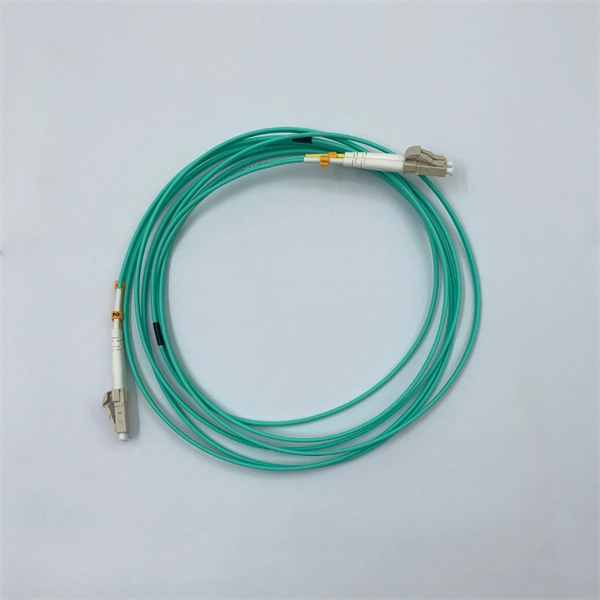
Single-mode optical fiber
In fiber-optic communication, a single-mode optical fiber, also known as fundamental- or mono-mode, is an optical fiber designed to carry only a single
Single-Mode Fiber Cable Guide: Types, Specs & Selection
This comprehensive guide explores Single-Mode Fiber Optic Cable, covering technical specifications, deployment scenarios, and best practices to help you optimize your fiber infrastructure
Understanding Single Mode Fiber Optic Cable: A
Explore our comprehensive guide on single mode fiber optic cable, including insights on duplex fiber patch cables for efficient data transport over
Single Mode SFP Transceiver: Complete Guide Explained
Most standard single mode SFP transceivers use duplex LC connectors, with separate fibers for transmitting and receiving data. Some variants, such as BiDi SFP, use different wavelengths for TX
Single vs Dual Fiber Media Converters (2025): A/B
For many campus and metro use cases, a single-mode BiDi pair is extremely attractive because it halves fiber usage, critical where duct space is
Single-Mode Optical Fiber
There are mainly two types of optical fibers, single-mode optical fiber, and multimode optical fiber, which differ in the way light propagates. The latter is
Single-Mode Optical Fiber
Single-mode fibre (also referred to as fundamental or mono-mode fibre) will permit only one mode to propagate and, as such, cannot suffer mode delay differences.
Single-Mode Fibers
Single-mode fibers, also known as monomode fibers, are optical fibers designed to support only a single propagation mode per polarization direction at a given
Jim Davis and Adrian Young
Transceivers Are More Expensive Single-mode transceivers have certainly come down in cost There was a time when you could say 7.5 x cost of multimode Large (hyper-scale) data centers driving the
Single-mode Fibers – launching light, monomode fiber,
Single-mode fibers support only one guided mode per polarization direction, ensuring consistent output beam profile and are vital in optical communications.
Single Mode vs Multimode Fiber: A Complete
Understand the difference between fibers: single mode offers long-distance, high bandwidth, while multimode suits short runs and lower costs.
Single Mode Fiber: Technological Innovations and
Explore the development trends of single-mode fiber and its promising future. Gain insights into the advancements shaping OS2 optical fiber
Single Mode Fibers
As single-mode transmissions avoid modal dispersion, modal noise, and other effects that occur with multimode transmissions, single-mode fibers can carry signals at considerably higher speeds as
What Is Single Mode Fiber and How Does It Work
Single mode fiber uses a small core to transmit one light path, enabling high-speed, long-distance data with minimal signal loss and low
Everything You Need to Know About Single Mode Fiber
Single mode fiber explained: find out how it works, why it''s ideal for high-speed connections, and what sets it apart from other fiber optic cables.
BiDi SFP: The Complete Guide to Bidirectional SFP Transceivers and
A BiDi SFP is a specialized optical transceiver that enables bidirectional communication over a single strand of optical fiber. Unlike standard duplex SFPs that require two fibers—one for
What Are Fiber Modes? Single-Mode vs. Multi-Mode
Single-Mode Fiber Single-Mode Fiber (SMF) is engineered with an extremely narrow core, typically 8 to 10 micrometers in diameter. This physical constraint restricts the light to a single
The Difference Between Single/Dual Fiber and
As fiber optic networks continue to evolve, selecting the right optical transceiver becomes increasingly important. Whether you''re designing a short
Related Video Reference
This video was associated with the source search result. Verify technical details against current product documentation and project requirements.