
Technical notes
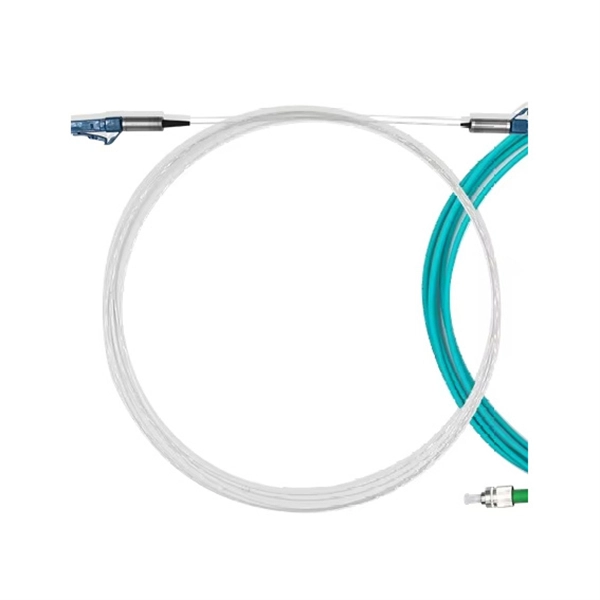
Simplex vs Duplex Fiber Cable: Key Differences and How to Choose
Learn the differences between simplex fiber cable and duplex fiber cable, including transmission methods, applications, transceiver compatibility, and how to choose the right fiber optic cable for your
Difference between Duplex and Simplex in single mode fiber itself
Both simplex and duplex cables can be single-mode or multimode. Single-mode cables are often better for long distance applications, while multimode cables are better for shorter distances.
Simplex vs. Duplex Fiber Cables
What Is a Simplex vs. Duplex Fiber-Optic Cable? A duplex fiber-optic connector connects to two optical ports, whereas a simplex connector connects to a single optical port.
What Is a Single Fiber SFP? A Complete Guide for Beginners
️ What Is a Single Fiber SFP? Single fiber SFP is an optical transceiver that transmits and receives data over a single strand of single-mode fiber by using two different wavelengths, enabling full-duplex
Single-mode optical fiber
Single-mode fibers are therefore better at retaining the fidelity of each light pulse over longer distances than multi-mode fibers. For these reasons, single-mode
Single-mode vs Multimode SFP 2026: Fiber Types and
A guide to single-mode vs multimode SFP modules. Covers fiber types, wavelengths, distances, BiDi, CWDM/DWDM, SMF vs MMF selection,
Simplex vs Duplex Fiber Cables | Complete Supplier Guide
Understand the core difference between simplex (one-way) and duplex (two-way) fiber optic cables to choose the right solution for your network.
OS2 Single Mode Fiber Optic Cables, SMF Duplex
Get OS2 single mode duplex fiber patch cables for 1G/10G/40G/100G/400G Ethernet fiber connections to transport data up to 10km at 1310nm and 40km at
Duplex Fiber: 2-Way Communication in 1 Package
A duplex fiber cable has two fiber strands that can simultaneously carry two signals in opposite directions (full-duplex mode). It can serve the purpose of two single-strand simplex fiber
Can single-mode fiber be duplex?
Today, single-mode fiber is often used in duplex configurations to enable full-duplex communication, where data can be transmitted and received simultaneously. This allows for more efficient use of the
The Difference Between Single/Dual Fiber and
As fiber optic networks continue to evolve, selecting the right optical transceiver becomes increasingly important. Whether you''re designing a short
Different Types of Single Mode And Multimode Duplex Fiber
Fiber optic cables are the medium of choice in telecommunications infrastructure, enabling the transmission of high-speed voice, video, and data traffic in enterprise and service
Single-mode optical fiber
In fiber-optic communication, a single-mode optical fiber, also known as fundamental- or mono-mode, is an optical fiber designed to carry only a single mode of light - the transverse mode. Modes are the
Single Mode vs. Multimode Fiber: Core Differences and Selection Guide
How do you choose between single mode and multimode fiber? Compare their differences in core size, light source, bandwidth, transmission distance, and cost to identify the right application.
Simplex VS Duplex Fiber Optic Cable: What is the
Simplex vs Duplex: What are the differences? Simplex fiber optic cables use only a single fiber for unidirectional transmission, while duplex fiber
A Complete Guide to Simplex vs Duplex Fiber Optic Cable
Types Duplex fiber optic cable comes in variants optimized for specific application needs, including single-mode for long-haul networks and multimode for short-reach solutions, as well as half
Simplex vs Duplex Fiber Cables | Complete Supplier Guide
Duplex fiber is also available in single mode duplex fiber optic cable and multimode duplex fiber optic cable. Half duplex and full duplex are two types of fiber optic duplex cables that are used in
Fiber Optics Explained Fiber Cable Types
Fiber Optics Explained Fiber Cable Types such as simplex, duplex, singlemode, multimode, indoor vs outdoor and plenum cable types to name a just few
Related Video Reference
This video was associated with the source search result. Verify technical details against current product documentation and project requirements.