
Sio2 Cable Assemblies Microwave Coaxial Cables
Search optical fiber, connectivity, cable management and network infrastructure references.
- Sio2
- Cable
- Assemblies
Articles and technical references
10 on this page-
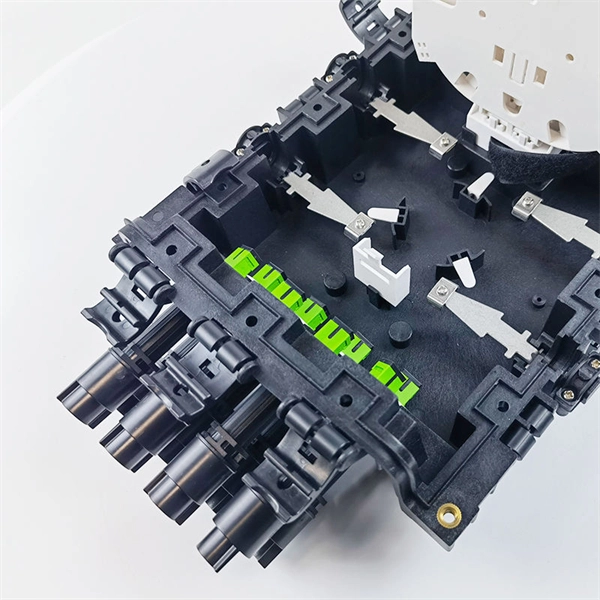
How to measure the number of cables in a cable tray
This is the physical space one cable occupies in the tray cross-section. Directly proportional to cable. A Cable Tray Capacity Calculator is an essential tool for electrical engineers, contractors, and project managers involved in the installation and management of electrical...
-
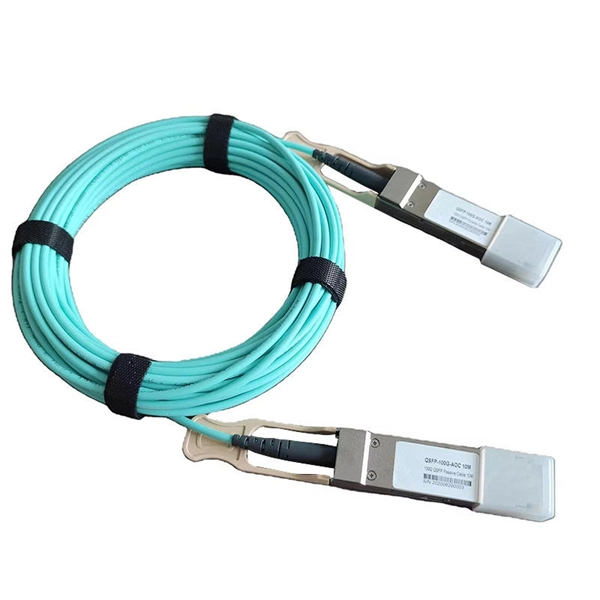
How to run network cables in cable trays
This guide covers the critical steps, from selecting the right electrical cable tray and performing accurate cable fill calculations to managing a safe cable pull through and ensuring all bonding and grounding requirements are met. Proper installation of cables in trays is...
[PDF Version]
-
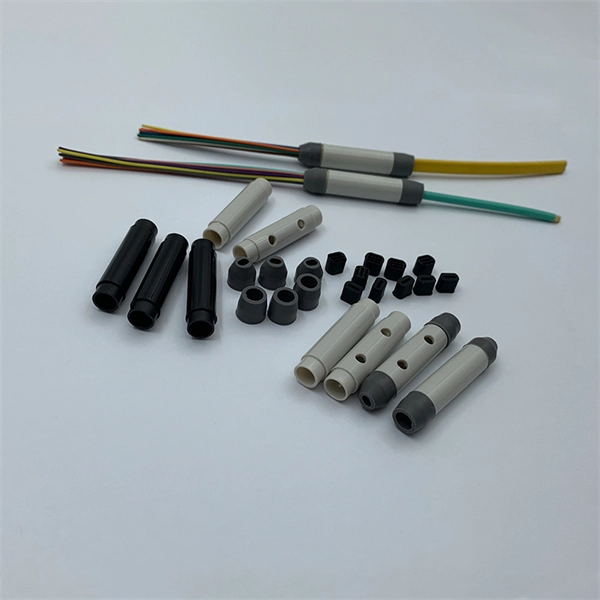
Are cables threaded through conduits inside cable trays
Cable trays offer faster installation compared to conduits because cables can simply be laid onto the tray without needing to thread them through a pipe. This reduces labor costs significantly. Tray cables (TC, TC-ER, and similar types) are specially designed for use in cable...
-
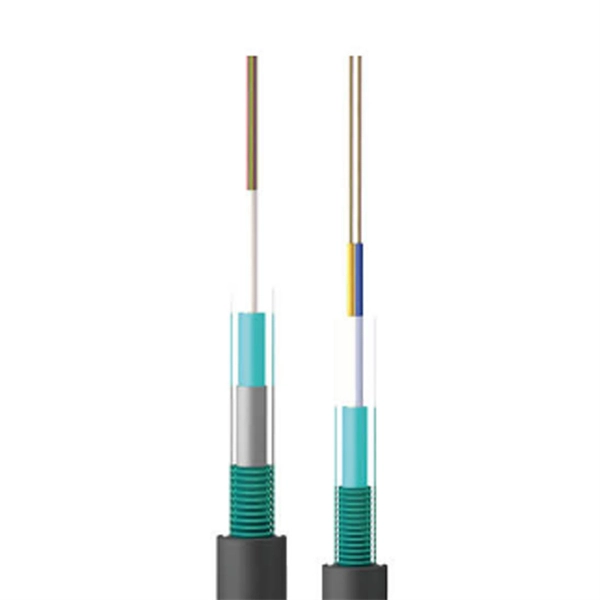
Optical cable SIO2
A fiber optic cable is a glass fiber cable used to transmit light. It is usually made from pure quartz glass (SiO2) and has multiple layers. It contains a thin, cylindrical fiber that transmits. The SiO2 semi-rigid cable assemblies are used in applications demanding the...
[PDF Version]
-
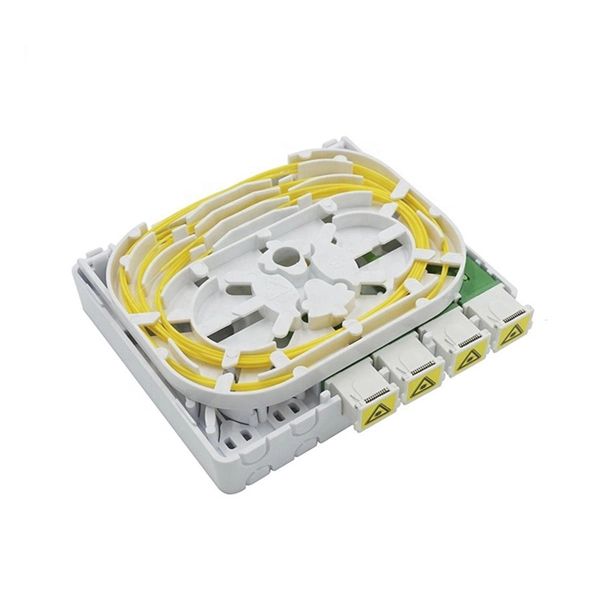
How many cables can be routed in cable trays
The formula to calculate the cable tray capacity is: [ CTC = text {floor}left (frac {W cdot H cdot FR} {CA}right) ] Where: ( CTC ) is the cable tray capacity (number of cables). ( W ) is the width of the cable tray (inches). ( H ) is the height of the cable. A Cable Tray...
[PDF Version]
-
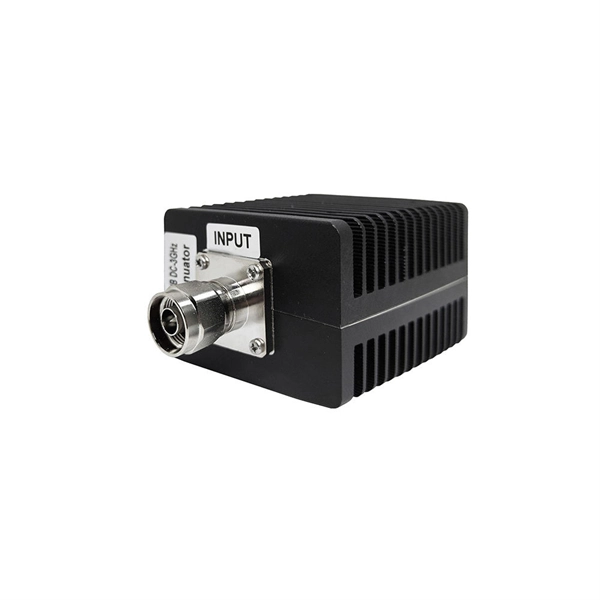
What kind of cables are best to put in a regular cable tray
Control and instrumentation cables suitable for tray use. Many cable tray rated cables include a crush and impact test as part of the listing and are rated as exposure rated (ER). In many cases there is more than one type of cable for a. Cable tray types, fill rules for...
[PDF Version]
-
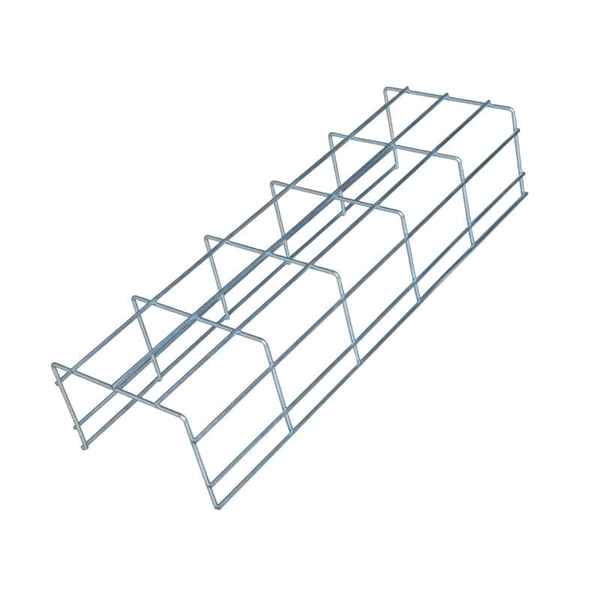
National Standard for Quality Grades of Optical Cable Assemblies
IPC-A-640, officially titled “Acceptance Requirements for Optical Fiber, Optical Cable, and Hybrid Wiring Harness Assemblies,” provides acceptance criteria for cable and wire harness assemblies that incorporate optical fiber technology. The standard was developed by IPC...
[PDF Version]
-
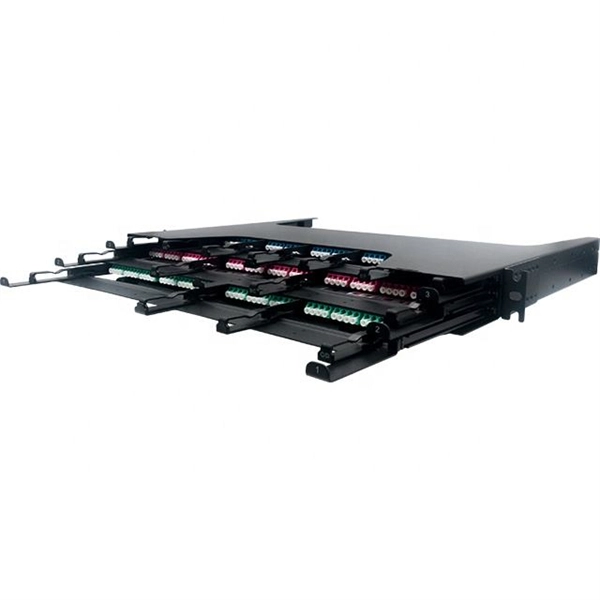
Requirements for laying optical cables on cable trays in workshops
Article 392 of the NEC provides the basic requirements for installations using cable tray. The respective article for the cable type must also be followed. 10 (see Table 1) lists the type of cable that is allowed to be installed in tray and the types of raceway that can be...
[PDF Version]
-
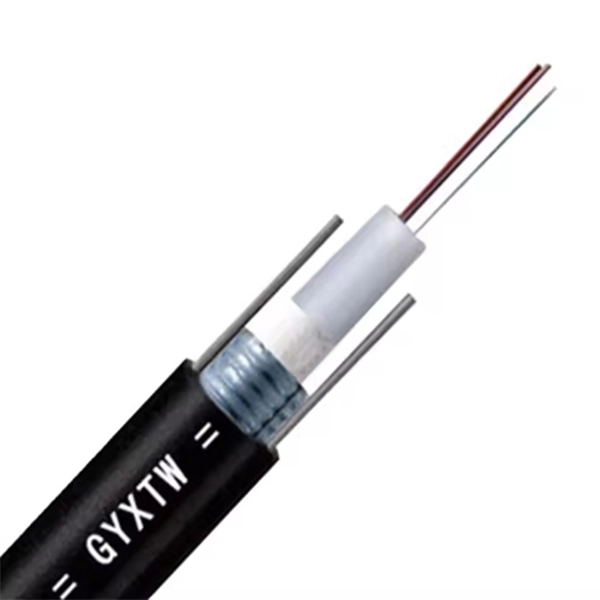
What kind of rope is used for laying cables in cable trays
Alternate Lay – The wire rope consists of alternating regular lay and lang lay strands—used mainly for special applications. Zinc coated (galvanized), zinc/aluminum alloy coated (mischmetal), stainless steel, or unfinished steel (“bright”). This guide explores the fundamental...
[PDF Version]
-
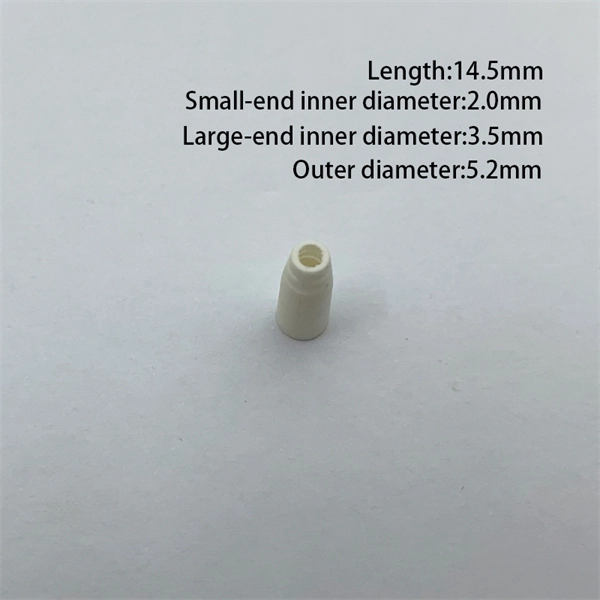
Can armored fiber optic cables be used for indoor cable tray installation
This type of armor offers ruggedness and superior crush resistance, making it ideal for both indoor and outdoor installations. However, correct installation is essential to ensure long-term reliability and performance. This article provides practical guidance on how to...