
Technical notes
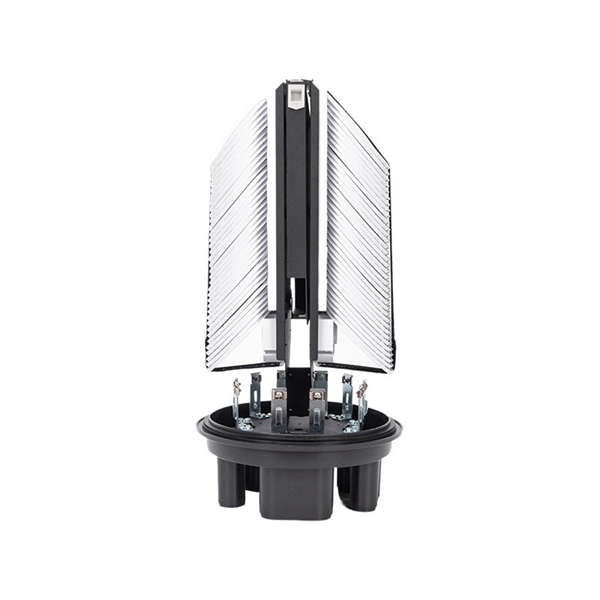
Indoor Fiber Optic Bonding & Grounding
Conductive fiber optic cable per NEC 770.100 must be grounded through a bonding or grounding electrode conductor. NEC 770.100 (A) provides the requirements for the bonding
FOA Standard For Installing Fiber Optic Cable Plants
Although most fiber optic cables are not conductive, any metallic hardware used in fiber optic cabling systems (such as splice closures, pedestals, messenger wire, wall-mounted termination boxes,
Optical ground wire
An optical ground wire (also known as an OPGW or, in the IEEE standard, an optical fiber composite overhead ground wire) is a type of cable that is used in overhead power lines. Such cable combines
Standard for Installing and Testing Fiber Optics
Although most fiber optic cables are not conductive, any metallic hardware used in fiber optic cabling systems (such as wall-mounted termination boxes, racks, and patch panels) must be grounded.
Grounding or No Grounding – What''s Required for Fiber?
In installations where an optical fiber cable is exposed to contact with electric light or power conductors and the cable enters the building, the non–current-carrying metallic members shall
IEEE 525-2007_accepted
Short-length fiber-optic cable pulls may not require lubricant; however, for long or complex cable pulls, lubricant is critical to making an efficient, high quality installation.
Grounding for Screened and Shielded Network Cabling
grounded cabling system carries noise currents induced by electromagnetic interference (EMI) in the environment to ground along the screen or foil shield, thereby protecting the data-carrying
FIBER OPTIC CONSTRUCTION STANDARDS
Carefully remove the insulation from the support wire or the strand to permit connection of the ground wire to the support wire or the strand by means of a grounding connector (item me).
Optical Fiber Composite Overhead Ground Wire (OPGW)
OPGW is mainly applied in communication line of newly constructed high voltage transmit electricity system with 35 KV or above, or replacement of existing
UTC_LetterHead_FINAL
The recommended grounding and bonding practices are explained step-by-step, with a focus on equipment such as ground rods, grip-all clamp sticks, and grounding cables, all of which are
FOA Standard For Installing Fiber Optic Cable Plants
The following language is recommended for use in project documents: Fiber optic cables shall be installed in accordance with the FOA Standard for Installing Fiber Optic Cable Plants.
Grounding and Bonding of Optical Fiber Cable in Aerial Applications
The grounding and bonding of the metallic components in an optical fiber cable and the supporting metallic messenger is essential to ensure the safety of workers and equipment. The
UTC_LetterHead_FINAL
Optical Ground Wire (OPGW): OPGW is a specialized type of cable extensively utilized in electric power transmission lines that operate above 50 kV. It combines the dual functions of
Best practices for bonding and grounding armored fiber
Bonding and grounding of armored fiber-optic cable are simple steps in the installation process that are often misunderstood or overlooked. The
Grounding of Armored Fiber Optic Cables – Fosco Connect
National Electrical Code 2008 covers the grounding or interruption of non-current-carrying metallic members of optical fiber cables. The grounding rules are defined for outside or inside of a building.
Correct method of grounding optical cable
Comply with standards and specifications: When grounding optical cables, relevant electrical and communication industry standards such as IEEE, IEC, ANSI/TIA-942, etc. should be
Bonding and Grounding Armored Fiber Cable
Armored fiber-optic cable bonding and grounding are simple phases in the installation process but are sometimes misunderstood or omitted. To
Standard for Installing and Testing Fiber Optics
Safety in fiber optic installations specifically includes avoiding exposure to light radiation carried in the fiber; disposal of fiber scraps produced in cable handling and termination; and safe handling of
Related Video Reference
This video was associated with the source search result. Verify technical details against current product documentation and project requirements.