
Technical notes
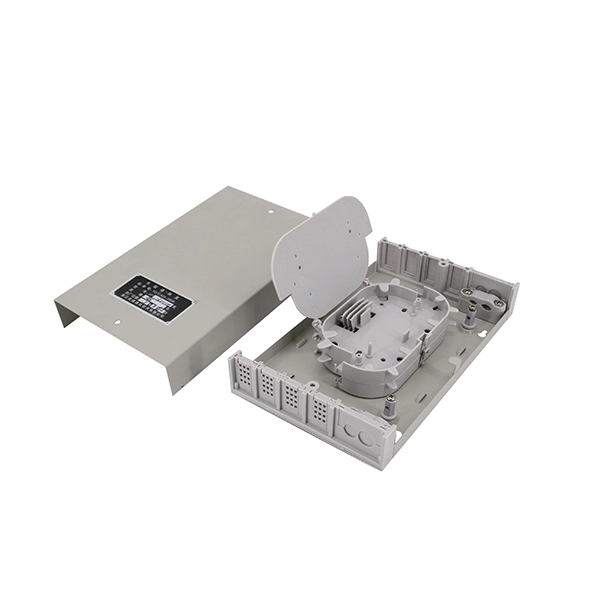
WORKMANSHIP STANDARD FOR FIBER OPTIC TERMINATIONS,
7.3.2 Cables (see Figure 7-1 for a typical fiber optic cable) shall be prepared for termination in a fashion that will allow for the fiber to be exposed without sustaining damage or contamination.
Fiber Optic & Cable Standards Guide | FiberMania Standards
Fiber optic networks are built on well-defined standards that ensure quality, performance, and interoperability. This article explains eight of the most important global fiber and cable standards
How to Strip and Prepare Fibre Optic Cable for Termination: A
In this informative guide, we''ll walk you through the step-by-step process of stripping and preparing fibre optic cable for termination, covering techniques, tools, and best practices to help you
FOTP-178 IEC-60793-1-32 Optical Fibres
The object of this document is to establish uniform requirements for the mechanical characteristic - coating strippability. This test quantifies the force required to mechanically remove the
Fiber Strippers – tools, mechanical, thermal, chemical, plasma,
Fiber strippers are precision tools that remove a coating from a fiber before connectorization or splicing. There are mechanical, thermal and non-contact strippers.
Fiber Optic Stripping Tool
Corning Cable Systems reserves the right to improve, enhance, and modify the features and specifications of Corning Cable Systems'' products without prior notification.
Use the Proper Strip Template When Stripping for Connectorization
Use the proper strip template for connectorization. Each fiber connector has unique strip-length requirements, always check your supplier''s strip charts.
PREFERRED OPTICAL FIBER CABLE TERMINATIONS
Practice : Apply approved requirements and assembly techniques and procedures in the termination of optical fiber cables used in spaceflight applications.
ANSI/TIA-568.3-E: Optical Fiber Cabling and Components Standard
ANSI/TIA‑568.3‑E “Optical Fiber Cabling and Components Standard” was developed by the TIA TR‑42.11 Optical Fiber Systems Subcommittee and published in September, 2022.
Stripping Fibers
We left off last month preparing a fiber optic cable for termination. We were at the point where we had slipped the strain-relief boot and crimp sleeve over the cable jacket if we were using a simplex cable
NKT Photonics App notes
FIBER HANDLING, STRIPPING, CLEAVING AND COUPLING This application note addresses general handling of fibers from NKT Photonics, including how to strip the protective coating, how to cleave
Fiber Testing Standards 2025 Guide for IEC and TIA
Stay compliant in 2025 with updated fiber testing standards for IEC and TIA. Learn key procedures, documentation tips, and legal requirements for
Cable Preparation Best Practices for Fiber Optic Indoor/Outdoor
This best practices document is a step-by-step guide for end and midspan access of loose tube optical cable, including sheath removal, core preparation, and fiber preparation.
Home -The Fiber Optic Association
The Fiber Optic Association Inc. (FOA) is the international professional association of fiber optics. FOA is chartered to promote fiber optics through education,
The FOA Reference For Fiber Optics
The FOA charter is "To promote professionalism in fiber optics through education, certification and standards," and has been involved in these standards committees for decades, but finally decided to
Introduction to Fiber Optics Cables – Stripping and Cleaving
Optical fiber has changed telecommunications all over the world. Because a single optical fiber can carry really huge numbers of teleph one conversations, long distance calls that used to be
Fiber and Cable Stripper – Types, Uses & Guide
Fiber & Cable Stripper for Fiber Tools 1. FOS03 Fiber strippers remove the coating from the fiber optic cable to expose the glass fiber. Also
Tips & Techniques for Using Stripping Tools on Fiber Optic Cable
If the blade of the strip tool contacts the bare fiber, it''s easy to scratch the fiber OD, reducing product reliability. Click for more tips & techniques.
Related Video Reference
This video was associated with the source search result. Verify technical details against current product documentation and project requirements.