Skip to content
PROMETHEASOPTICAL Send a project enquiry
Reference library

Switch aggregation technology

Published
  • Switch
  • Aggregation
  • Technology
Source context

AI source overview

An aggregation switch consolidates traffic from multiple access switches or edge devices, providing high-bandwidth, scalable, and reliable connectivity to core networks.

Overview

An aggregation switch is a network device positioned between access switches and core switches or routers, serving as a central point to manage and streamline network traffic. It consolidates multiple connections from access switches, wireless access points, servers, or storage devices into a single high-capacity link, reducing bottlenecks and improving overall network performance. Aggregation switches are commonly deployed in enterprise backbones, data centers, and large campus networks where high throughput and reliability are critical.

Key Functions

Aggregation switches perform several essential tasks to optimize network operations: Switching and Routing: Forwarding data packets based on MAC or IP addresses, depending on Layer 2 or Layer 3 operation. Link Aggregation: Combining multiple physical links into a single logical connection using protocols like Link Aggregation Control Protocol (LACP) or static link aggregation, enhancing bandwidth and redundancy. Quality of Service (QoS): Prioritizing critical traffic to ensure performance for latency-sensitive applications.

Traffic Filtering and Security: Implementing access control lists (ACLs) and VLAN segmentation to isolate traffic and improve security. Load Balancing and Failover: Distributing traffic across multiple links and providing redundancy in case of link failure. Multicast and Broadcast Control: Managing high-volume traffic efficiently to prevent network congestion.

Benefits

Using aggregation switches provides several advantages: Improved Performance: High-bandwidth links reduce latency and prevent congestion. Scalability: Easily add new access switches without disrupting the network. Enhanced Reliability: Redundant links and failover mechanisms ensure continuous connectivity.

Simplified Management: Centralized control allows administrators to monitor and configure multiple access points from a single device. Cost Efficiency: Reduces the need for direct connections from every access switch to the core, lowering cabling and management costs.

Deployment Considerations

Aggregation switches can operate at Layer 2 (switching) or Layer 3 (routing) depending on network topology and requirements. They often integrate with spanning tree protocols (STP) to prevent loops and support VLAN tagging for traffic isolation. In modern data centers, aggregation switches are frequently part of leaf-spine architectures, providing full-mesh connectivity between leaf and spine switches to support high-speed, low-latency communication.

Conclusion

Aggregation switch technology is a cornerstone of scalable, high-performance network design. By consolidating traffic, supporting link aggregation, and providing advanced management and security features, aggregation switches enable enterprises and service providers to efficiently handle growing network demands while maintaining reliability and flexibility.

Research context

Reference summary

On interfaces, channel bonding requires assistance from both the Ethernet and the host computer's, which must of frames across the network interfaces in the same manner that I/O is striped across disks in a array. For this reason, some discussions of channel bonding also refer to (RAIN) or to redundant array of independent network interfaces.

Additional context

Source notes

On interfaces, channel bonding requires assistance from both the Ethernet and the host computer's , which must of frames across the network interfaces in the same manner that I/O is striped across disks in a array. For this reason, some discussions of channel bonding also refer to (RAIN) or to redundant array of independent network interfaces.

From reference to enquiry

Questions for your project

Use these editorial prompts alongside the linked excerpts. They identify items to confirm for your project.

Technical notes

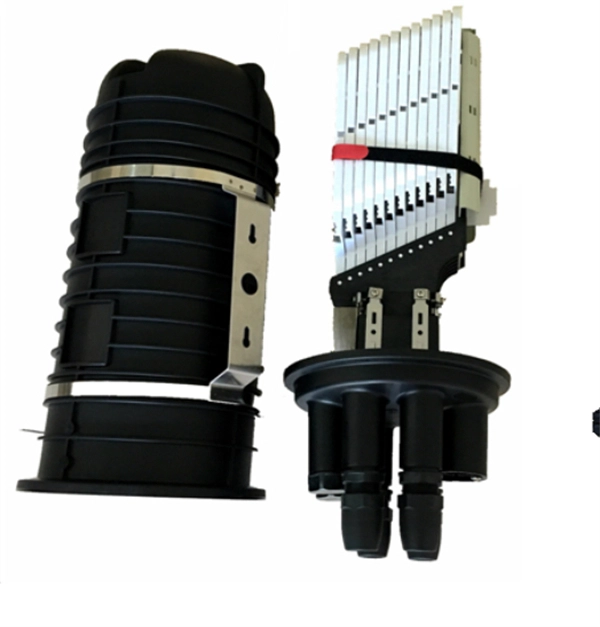
Illustrative equipment image

What is an Aggregate Switch?

An aggregate switch is a high-capacity network switch that consolidates connections from multiple access switches, acting as a central point for managing network traffic and providing

Link aggregation

OverviewExamplesMotivationArchitectureIEEE link aggregationProprietary link aggregationSupportLinux drivers

On Ethernet interfaces, channel bonding requires assistance from both the Ethernet switch and the host computer''s operating system, which must stripe the delivery of frames across the network interfaces in the same manner that I/O is striped across disks in a RAID 0 array. For this reason, some discussions of channel bonding also refer to Redundant Array of Inexpensive Nodes (RAIN) or to redundant array of independent network interfaces.

Understanding Switch Aggregation: A Comprehensive

In the context of network architecture, switch aggregation is an essential element, particularly in building high-capacity, resilient networks. It

Core, Aggregation, or Access Switches? Choose the

Discover the crucial differences between core, aggregation, and access switches. Find out which type can best transform your network''s

UniFi Enterprise Campus Aggregation

1.8 Tbps high-density 100G/25G Layer 3 Etherlighting™ aggregation switch with MC-LAG support for high availability system design.

What Is an Aggregation Switch?

An aggregation switch is a powerful networking device that consolidates connections from multiple access switches, providing a central point for forwarding traffic and often implementing

Arista Unveils Modern Stacking for Campus Networks

Arista is introducing the Switch Aggregation Group (SWAG TM) capability in Arista EOS ® that uses industry-standard Ethernet to group and manage individual switches via a single IP address.

Which Aggregation Switch to Choose?

This article provides an in-depth exploration of aggregation switches, including their functions, how they operate, their distinctions from other types of switches, and tips for selecting the

Aggregation Switch

An aggregation switch refers to a type of switch used to connect multiple ToR switches to a core switch/router in a cloud data center network. It enables high-bandwidth aggregation ports to be

What Is Link Aggregation and Link Aggregation Switch?

Link aggregation switch, or LACP switch, is to set up or configure switch to achieve this technology. Link aggregation switch can be Gigabit Ethernet switch or 10 Gigabit switch that

What Is an Aggregation Switch and How to Choose?

An aggregation switch is a network device that consolidates traffic from multiple access switches, wireless access points, or other edge devices and forwards it to core switches or routers.

What are link aggregation and LACP and how can I use

You can also configure more than one LAG on the same switch, or add more than two Ethernet links to the same LAG (the maximum number of links per

Understanding Switch Stacking and Link Aggregation

Learn more about how switch stacking and link aggregation serve different purposes, but they are often used together to build resilient and scalable networks.

Link Aggregation

There are many enabling technologies for higher data rate optical components, packaging, fibers, and switching designs that will be discussed later in this book.

Network Switches

Cisco network switches deliver performance, flexibility, and security. Cisco switches are scalable and cost-efficient and meet the demands of hybrid work.

EtherChannel in Computer Network

EtherChannel is a port link aggregation technology in which multiple physical port links are grouped into one logical link. It is used to provide high-speed links and redundancy. A maximum

Link Aggregation Configuration

S300, S500, S2700, S3700, S5700, S6700, S7700, and S9700 Series Switches Typical Configuration Examples (V200) This document provides campus networks typical configuration examples and

Switch port & link aggregation on 802.3ad standard (LACP)

Consequently, the switch carries on transmitting data through the faulty port until the whole network fails. By utilizing LACP, each device makes sure that its counterpart at the other end

Related Video Reference

This video was associated with the source search result. Verify technical details against current product documentation and project requirements.

Share your network requirements

Share the fiber interfaces, termination capacity, cable route and evidence required for handover.

Send a project brief