
Technical notes
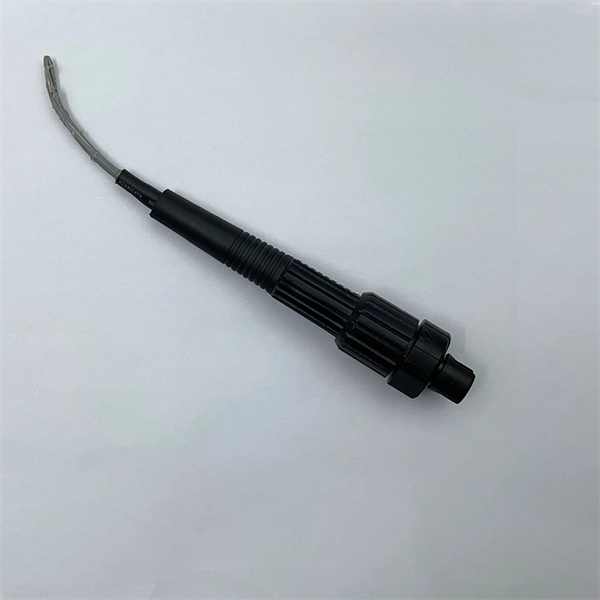
What are the Three Methods of Fiber Optic Cable Installation
There are three primary methods for installing fiber optic cables: aerial installation using poles, trenching for underground placement, and using conduits. Each method has its own benefits and is chosen
A Step-by-Step Guide to Fiber Optic Cable Installation
Different environments demand different fiber optic cable installation methods: aerial cables strung on poles, direct-buried cables placed underground, submarine cables laid underwater,
Optical Fiber Installation Methods – MapYourTech
This comprehensive guide examines all major fiber installation methods, from underground trenching to submarine cable laying, providing
Essential Installation Techniques for Optical Fiber Cables
Discover the essential installation techniques for optical fiber cables, including trenching, direct burial, aerial, and indoor methods. Learn about
Optical Fiber Cable Installation Guideline
Recommendations for Fiber Optic Cable Installation. Where reels are supplied with protective material fitted over the cable, the protection should remain in place until the cable will be installed. During
INSTALLATION OF AERIAL FIBRE OPTIC CABLES
This guide provides general recommendations for the selection of methods, equipment, and tools for the stringing of All Dielectric Self-Supporting (ADSS) fibre optic cables.
How to Install an Optical Cable Step by Step
Installing an optical cable involves selecting the right fiber type, carefully routing it without damaging the glass inside, terminating the ends with connectors, and testing the finished link for
Fiber Optic Cable Installation and Handling Instructions
The information contained in this manual should serve as a guide to proper handling, installing, testing, and for troubleshooting problems with fiber optic cables.
FOA Standard For Installing Fiber Optic Cable Plants
The type of fiber optic cable and the fibers in the cable should be chosen appropriate for the type of communications system(s) being supported, the type of installation and the environment in which the
What Are The Main Installation Methods For Optical
Common installation methods include direct burial, overhead, pipeline, underwater, and indoor installations. 1. Direct Burial Installation. Direct
Handbook Optical fibres, cables and systems
1 Cable installation methods Optical fibre must be protected from excessive strains, produced axially or in bending, during installation and various methods are available to do this. The aim of all optical fibre
OPTICAL FIBRE CABLES INSTALLATION GUIDE
The objective of this document is to be an optical fibre cable installation and laying guide, addressed to new installers, also being useful as a reminder to experienced installers. We should always consider
Fiber Optic Cable Installation: How To Properly Install It
Fiber optic installation delivers unmatched network performance for modern businesses, providing greater bandwidth
What Are The Main Installation Methods For Optical
To facilitate locating the cable during maintenance, marker stones are buried on the surface approximately every 50 meters after backfilling (see
Master Your Fibre Optic Installation: Step-by-Step Best Practices
This comprehensive guide delves into the intricacies of fiber optic installation, exploring topics ranging from cable types and pre-installation considerations to execution, safety protocols,
Indoor and Outdoor Fiber Cable Installation Best
Explore best practices for installing indoor and outdoor fiber optic cables, including conduit, direct burial, riser, and aerial applications. Build stable,
BICSI advances the ICT profession
BICSI supports advancing the information and communications technology (ICT) community and is a global leader in ICT education, certification, and standards.
A Step-by-Step Guide to Fiber Optic Cable Installation
This beginner-friendly guide will walk you through the step-by-step process of fiber optic cable installation for each method,
Related Video Reference
This video was associated with the source search result. Verify technical details against current product documentation and project requirements.