
Technical notes
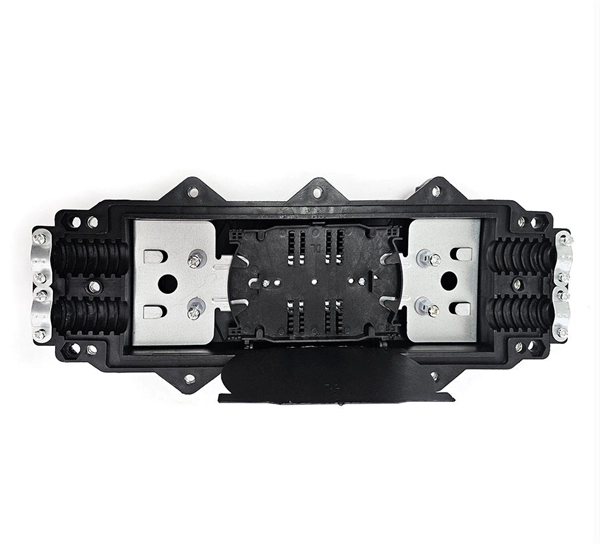
Review of the usage of fiber optic technologies in electrical power
The technology of optical data transmission (fiber optics) in electrical transmission lines has been in development for over 40 years, resulting in numerous standards and solutions that are
Fiber-optic cable
OverviewDesignPerformanceCable typesColor codingHybrid cablesInnerductsSee also
A fiber-optic cable, also known as an optical-fiber cable, is an assembly similar to an electrical cable but containing one or more optical fibers that are used to carry light. The optical fiber elements are typically individually coated with plastic layers and contained in a protective tube suitable for the environment where the cable is used. Different types of cable are used for fiber-optic communication in different applications, for exa
The FOA Reference For Fiber Optics
Utilities build fiber optic networks in similar ways that others build them, aerial and underground, but they also mix aerial cables in their power distribution cables,
Handbook – Optical fibres, cables and systems
The simultaneous availability of compact sources and of low-loss optical fibres led to a worldwide effort for developing optical fibre communication systems. The real research phase of fibre-optic
AEN052 Cable Trays and Optical Cables
According to the 2023 National Electric Code® (NEC), any listed optical fiber cable is acceptable for a tray application. Cable trays are frequently used for both power and communications cables in
An overview of optical-fibre technology applications in electrical
When installing fibre-optic cables along existing high-voltage overhead lines, a separate self-supporting cable, which is normally mounted centrally beneath the lowest phase conductor, is much more
Optical Fiber Cables Near High Voltage Circuits
ntly, there are a limited number of industry documents that address the requirements for optical fiber cables near high voltage circuits. One standard that has been developed by the Institute
Can I run fiber in the same conduit as electrical?
Ultimately, the decision to run fiber optic cables in the same conduit as electrical cables should be made with careful consideration of the potential risks, regulatory requirements, and available alternatives.
Power Over Fiber – optical delivery of power, photonic power, optical
Power over fiber, also known as photonic power, is a technology for transmitting optical power through an optical fiber and converting it back into electrical power at a remote location using a photovoltaic cell.
Application of Fiber Optics for the Protection and Control of Power
The proposed work discusses a comprehensive review of the use of optical fiber in electrical power systems. A brief historical overview will include in the proposed work and also
optical fibre
Could someone knowledgeable explain why fiber optics could or could not be used for power transmission large or small? The formula for power in optical fiber is shown below. X is
Powered Fiber Cable Solutions | Distance and Wattage
Optical fiber offers unmatched bandwidth and distance advantages and will undoubtedly be a key component in the networks of the future. Combining optical
Optical Cable vs. Electrical Cable, What Are The Differences?
We often hear about cable type of Optical Cable vs. Electrical Cable, but what they are? And furthermore, what are the differences? Let''s dive right in.
How optical communication cables work and how they
In several articles, I mentioned optical fibre in the context of substation automation, protection signaling, communication between electrical
Fiber Optics vs Ethernet: Understanding the Key Differences
A comprehensive comparison of fiber optic vs Ethernet technologies including definition, components, features, benefits, conversion process and advantages.
The Ultimate Guide to Fiber Optic Cable: Understanding
What is Fiber Optic Cable, and How Does it Work? Introduction to Fiber Optic Cable A fiber optic cable is a cable that uses thin fibers of glass or
Fiber Optic Cables: Advantages, Disadvantages, and
Explore the technical aspects of fiber optic cables in this comprehensive guide. Learn about their advantages, disadvantages, and various
Fiber-optic cable | electric conductor | Britannica
Other articles where fiber-optic cable is discussed: cable: Fibre-optic telecommunication cables: Cables made of optical fibres first came into operation