
Understanding Fiber Optic Communication System Working
Search optical fiber, connectivity, cable management and network infrastructure references.
- Understanding
- Fiber
- Optic
Articles and technical references
10 on this page-
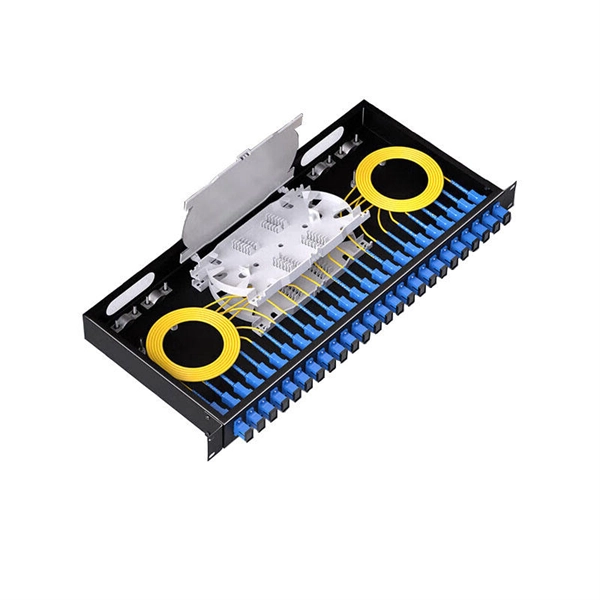
Working principle of fiber optic communication splitter
At its core, a fiber optic splitter relies on the principles of light reflection, refraction, and waveguiding to divide signals. Their ability to efficiently manage optical signals makes them indispensable in various. A fiber optic splitter is a passive optical component that...
[PDF Version]
-
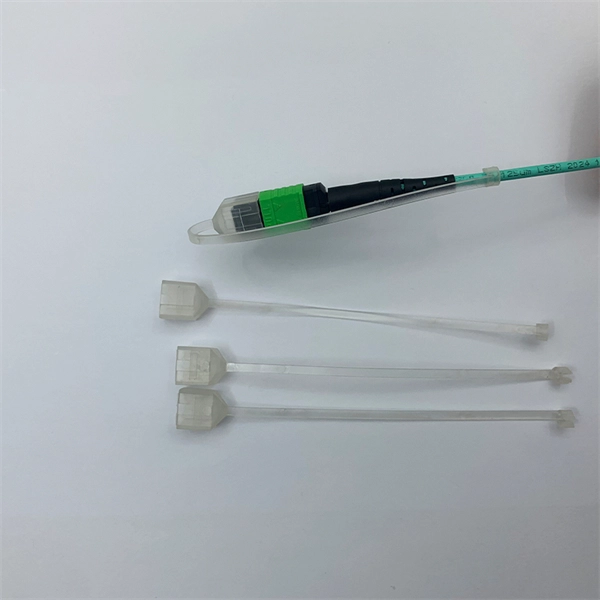
Fiber optic communication utilizes optical fibers
Fiber-optic communication is a form of optical communication for transmitting information from one place to another by sending pulses of infrared or visible light through an optical fiber. The light is a form of carrier wave that is modulated to carry information. This system...
-
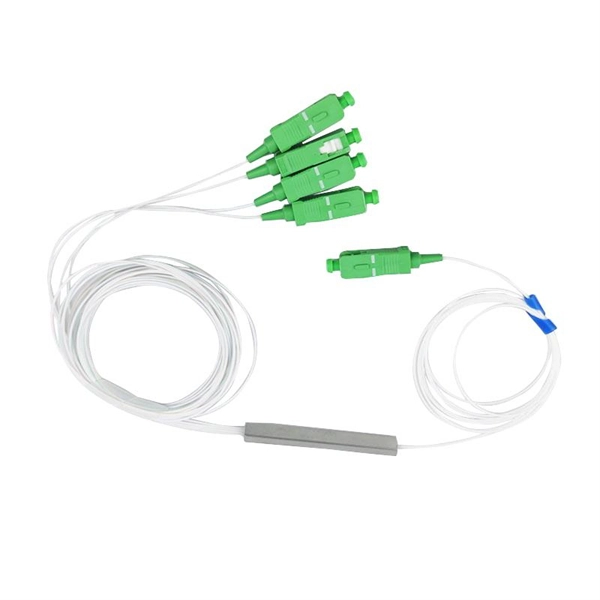
Optical Splitter Fiber Optic Communication Components
A fiber optic splitter is a passive optical component that divides a single incoming optical signal into two or more outgoing signals, or combines multiple incoming signals into one. Splitter architectures can impact fiber counts, splicing needed, numbers of fiber needed, and...
-
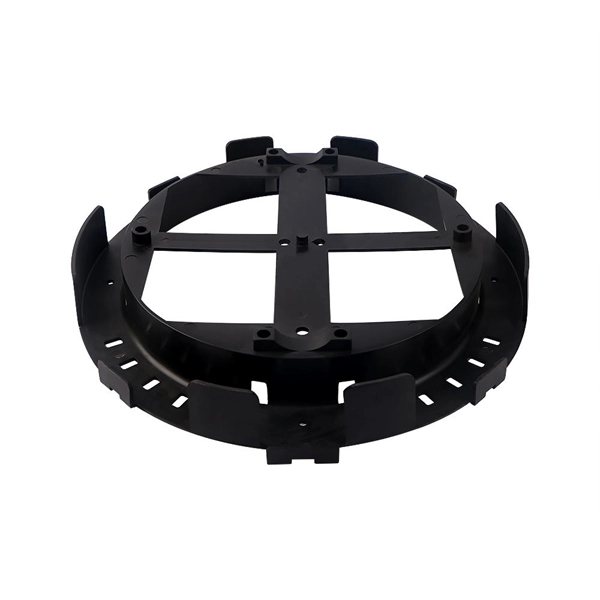
Fiber optic communication cable plug
Most fiber optic connectors are plugs or male connectors with a protruding ferrule that holds the fibers and aligns two fibers for mating. Cleaver-Set, Faser-Guide Special item, note delivery time! €3. Plus shipping costs for the whole cart. Unlike fiber splicing, which is...
[PDF Version]
-
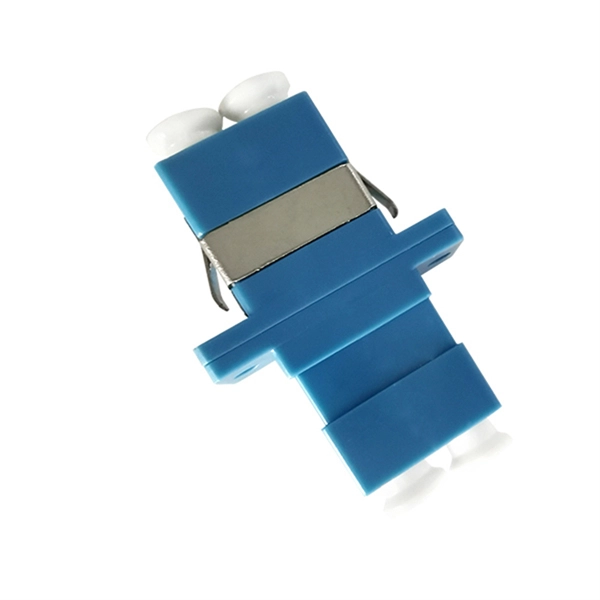
Fiber optic splicing communication cables
Learn how to splice fiber optic cable using fusion splicing with this complete step-by-step guide. Includes tools, best practices, loss standards (ITU-T G. 652), cost analysis, and FAQs for network engineers and installers. Fiber optic splicing, crucial for maintaining...
[PDF Version]
-
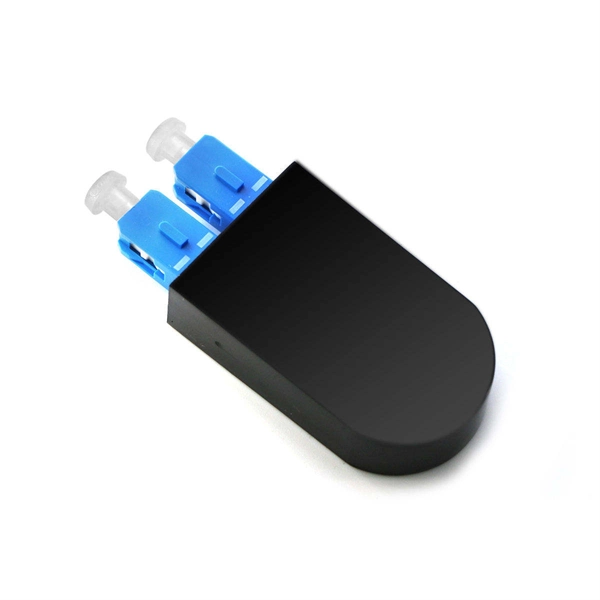
Working principle of glass fiber optic sensor
The principle of operation of a fiber sensor is that the transducer modulates some parameter of the optical system (intensity, wavelength, polarization, phase, etc. Radiation absorption excites an orbital electron to a higher energy level. Heating the material enables the...
-
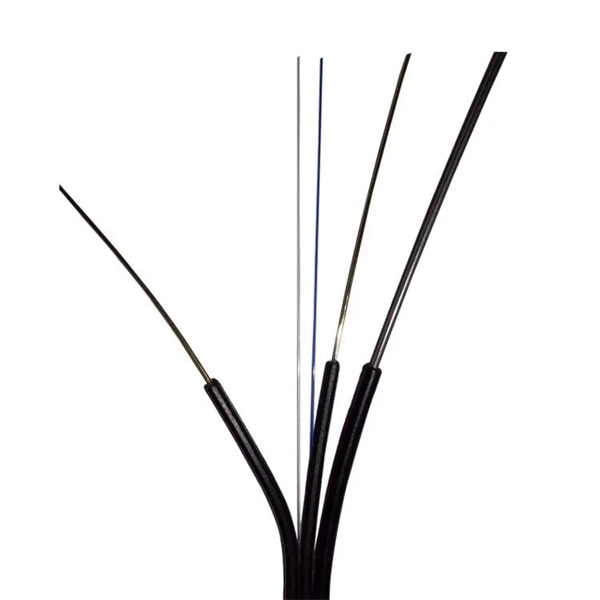
The Role of Optical Modulators in Fiber Optic Communication
Fiber optic modulators alter optical signals to carry information, converting electronic data into an optical format for transmission through fiber optic cables. An optical modulator is a device which is used to modulate a beam of light. Light itself is a single waveform and...
-
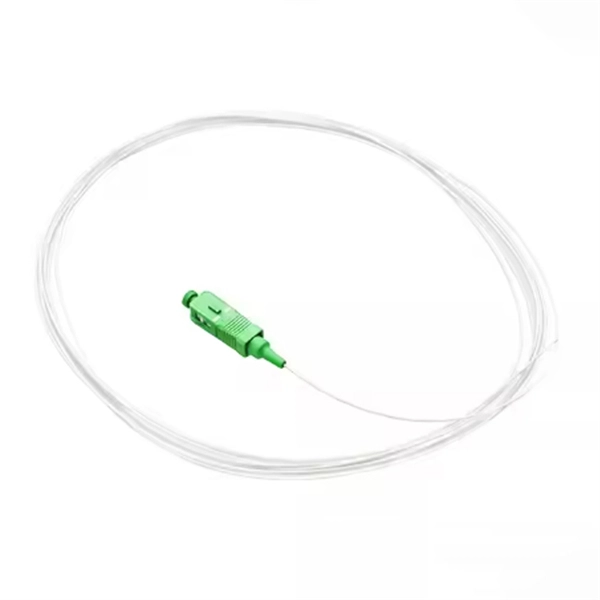
Fiber optic cable splicing and power cable in communication equipment room
Learn how to splice fiber optic cable using fusion splicing with this complete step-by-step guide. Includes tools, best practices, loss standards (ITU-T G. 652), cost analysis, and FAQs for network engineers and installers. Fiber optic cables are often used in the...
[PDF Version]
-
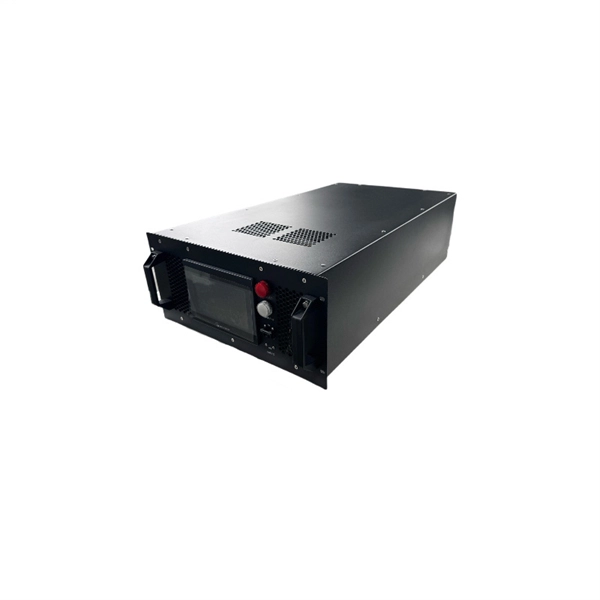
Loopback Fiber Optic Communication System
A fiber loopback is a passive device designed to route an optical signal from a transmitter (Tx) directly back to the receiver (Rx) within the same module. Whether used in pre-deployment testing or ongoing diagnostics, fiber loopback cables are important tools for maintaining...
[PDF Version]
-
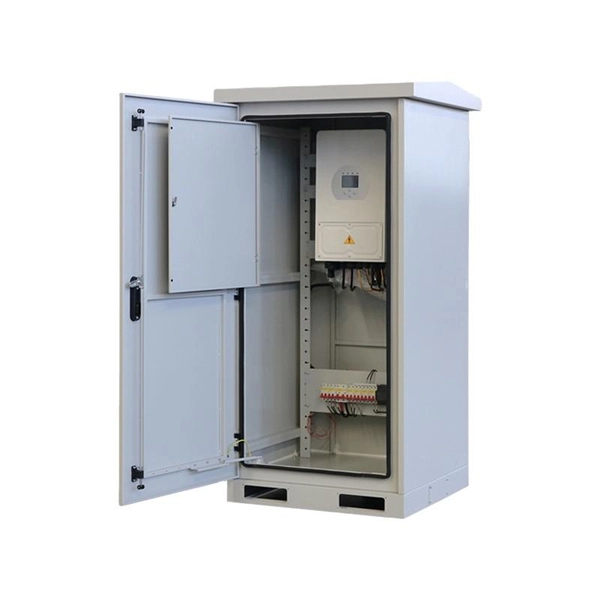
Fiber Optic Communication Engineering Technology
Optical Fiber Communication (OFC) revolutionizes modern telecommunications, enabling rapid data transfer across long distances with minimal signal loss. This comprehensive review explores OFC's historical evolution, core principles, components, and versatile applications...
[PDF Version]