
Understanding The Basics Of A Structured Cabling System
Search optical fiber, connectivity, cable management and network infrastructure references.
- Understanding
- Basics
- Structured
Articles and technical references
9 on this page-
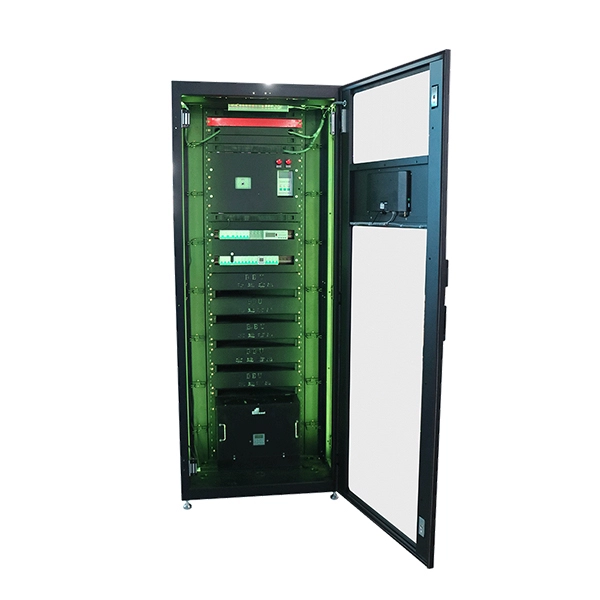
Structured cabling consists of several subsystems
Structured cabling components include twisted pair, optical cabling, patch panels, patch cables and equipment rooms. Understanding the importance of each subsystem and its role can help organizations achieve an effective structured cabling system to meet their specific needs...
-
Fiber Optic Cable Cabling in Mozambique
Mozambique is improving its digital connections to the rest of the world with the installation of two cross-border fibre cables to South Africa. The new cables routes are an alternative to standard subsea cables and were laid by ITC network provider Paratus Group, reports...
[PDF Version]
-
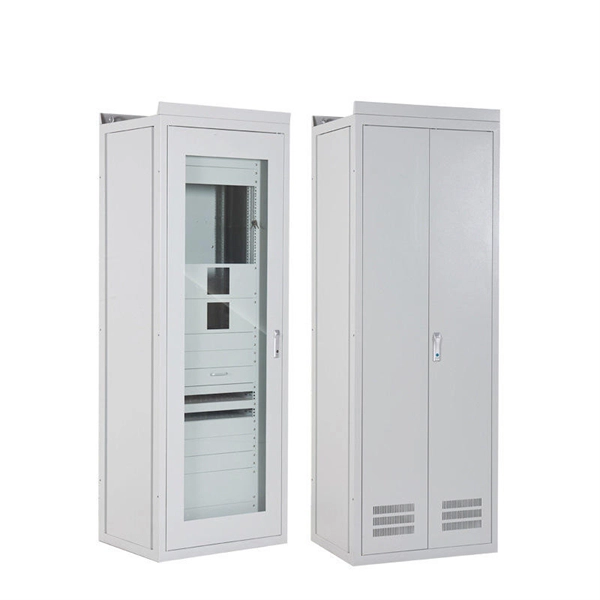
What equipment is included in a computer room cabling system
The equipment room houses core network components, including servers, routers, switches, and PBXs. It serves as the central distribution point for the structured cabling system, often containing fiber distribution frames (FDFs) and patch panels. It consists of seven key...
-
Where are the cables connected at the front and back of the cable management rack
Horizontal cable management organizes cables along the horizontal plane within the server rack, typically from front to back. Power cables Communications (serial attached SCSI, InfiniBand, remote input/output, and peripheral component interconnect express) cablesNote: Install...
[PDF Version]
-
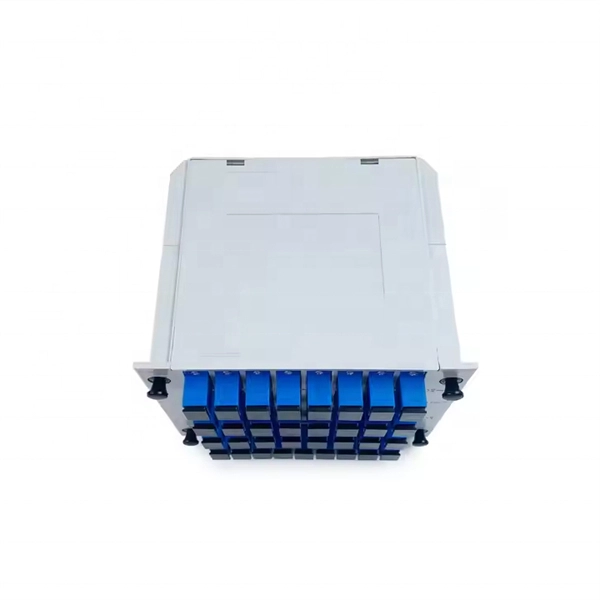
Basics of Cable Tray Fabrication
The primary rulebook of cable tray systems is called NEC Article 392. It instructs us on how to construct them, where to locate them, and how to stuff them with wires without using too much. Cable trays are structural systems designed to support insulated electrical cables...
[PDF Version]
-
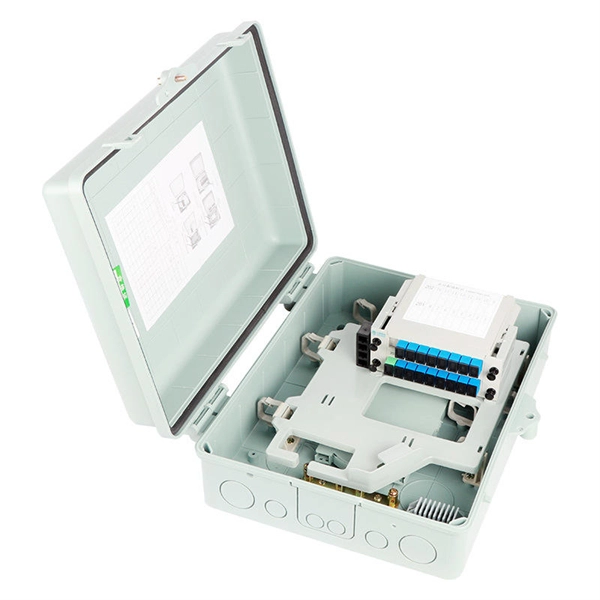
Steel cable outlet at the bottom of the fiber optic cable channel
A Fiber Optic Socket Wall Outlet, also called a fiber optic faceplate or optical termination outlet, is a mounted interface designed to house and protect fiber optic terminations, such as SC, LC, or ST connectors. The unit simply fits along the edge of the duct – ie the side...
-

What kind of cabling should be configured in the network rack
This guide covers the technical requirements for modern rack deployments: Cat6A cabling for multi-gigabit infrastructure, thermal dissipation for high-power PoE devices, proper rack depth planning, and SFP+/DAC uplink configurations. Modern network racks face new physical...
[PDF Version]
-
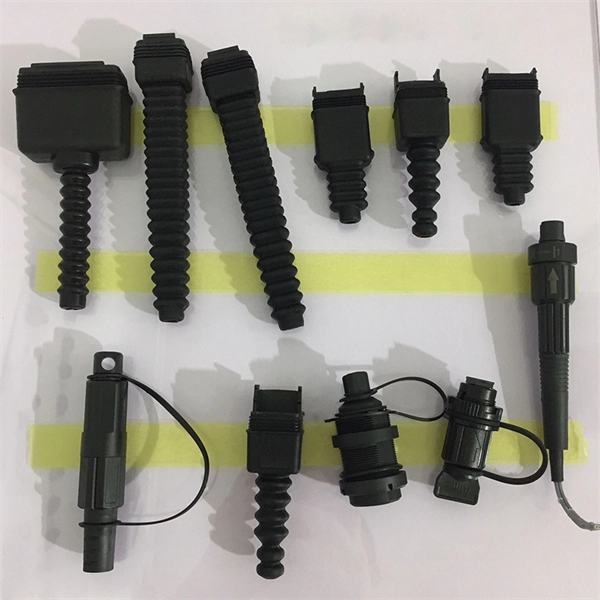
Understanding Beam Splitters
Beam splitters are integral optical components that divide a beam of light into two or more separate beams. Their precision and versatility make them indispensable in a variety of scientific, industrial, and technological applications. Explore the precision, applications, and...
-
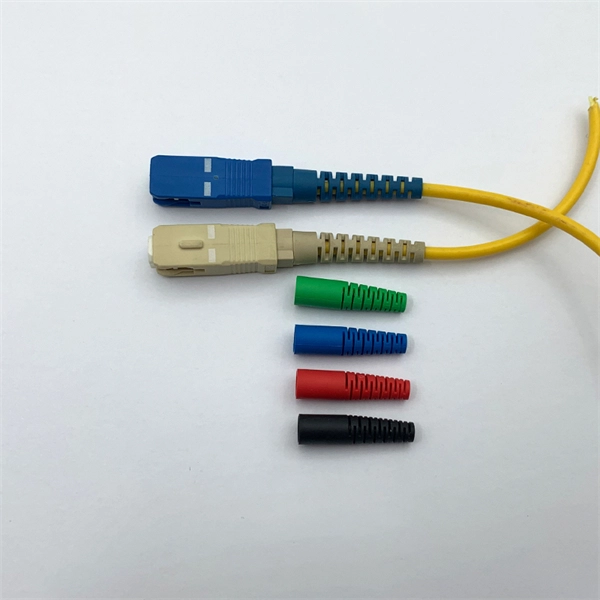
Fiber Optic Cabling Between Buildings
This guide will outline the essential aspects of creating fiber runs between buildings, providing a roadmap from cable selection to final installation. Although the capacity of these networks is in many cases sufficient for today's needs, there is a limitation in transmission...
[PDF Version]