
Technical notes
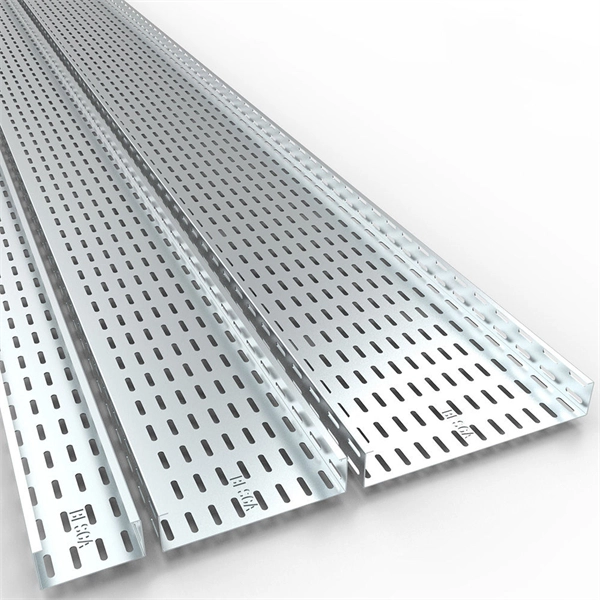
Cable Tray Installation Rules (NEC 392) – Electrical Trader
The 2026 NEC introduced an important update: cable trays must have at least 12 inches of clear vertical space above them to allow for installation
Cable Tray Spacing Standards for Installation and Safety
Key Factors Impacting Cable Tray Spacing Understanding cable tray spacing is key to meeting safety regulations and maintaining system performance. The spacing between trays,
Cable Tray Dimensions Guide: Standard Sizes, Tray Types & Sizing
Explore standard sizes by tray type, understand width and depth limits, and see how to calculate and choose compliant cable tray sizes for real projects.
Cable Tray Technical Guide A practical guide to product selection and
This guide for engineers and installers has been developed by ABB as a practical reference regarding cable tray characteristics, installation, and requirements.
Cable Tray Fill Rules (NEC 392)
This guide covers the cable tray types and their appropriate applications, the fill rules for each configuration, ampacity derating requirements,
Cable Tray Systems: NEC Article 392 Installation Guide
Learn about ladder, solid bottom, ventilated trough, wire mesh, and channel trays, fill calculations, permitted cables, support requirements, and grounding for industrial and commercial installations.
B-Line series Cable Tray Design Considerations
For ladder or ventilated trough trays, the total sum of the cross-sectional areas of all the cables to be installed in the cable tray must be equal to or less than the allowable cable area for the tray width, as
GUIDE CABLE TRAYS TECHNICAL
Specifies requirements for metal cable trays and associated fittings designed for use in accordance with the rules of Canadian Electrical Code, Part I and the National Electrical Code®
CEC Code Rule 12-2200 CT Clearances | PDF
Cable trays shall be permitted to extend vertically through floors in dry locations, if provided with fire stops in accordance with Rule 2-128 and if totally enclosed
Cable Tray Dimensions and Specifications as per NEC
The entire amount of the cross-sectional areas for all of the single conductor cables that are going to be positioned in the cable tray needs to be
Best Practice Guide to Cable Ladder and Cable Tray Systems
This guide covers cable ladder systems, cable tray systems, channel support systems and associated supports intended for the support and accommodation of cables and possibly other electrical
FAQ | Cable Tray Institute
For vertical installations, the cables may hang away from the cable tray if not tied down. Although this section of the NEC does not require cable tie down in horizontal, it may be necessary to meet other
NEMA Standards Publication VE 2-2018
Attaching a channel cable tray by using the method illustrated in Figure 3-88 maintains the electrical requirements, and the bolted mechanical connection while providing a practical method for dropping
Cable Tray Size and Dimensions: How to Choose the
Learn how to calculate the perfect cable tray size and dimensions for your electrical project. This guide covers load capacity, fill ratios, and industry
Codes and Standards | Cable Tray Institute
Purchase UL 568. FG 1, Fiberglass Cable Tray Systems Covers construction and test requirements for continuous, complete nonmetallic systems of ladder, ventilated, solid bottom cable trays, or channel
Cable Tray Systems: Requirements and Best Practices
Comprehensive guide to cable tray systems requirements: tray types, materials, loading, supports, bonding, routing, and best practices for safe electrical cable management.
Cable Tray Questions | Cable Tray Institute
Question 8: Are there any requirements for separation and segregation of various types of cables (i.e. Power, instrumentation, signal, telecommunications, etc.) in cable tray systems?
CABLE TRAY SYSTEMS GUIDE
Cable Tray Systems Guide HUBBELL Hubbell Wiring Device-Kellems and Hubbell Premise Wiring are divisions of Hubbell Incorporated, a U.S. headquartered manufacturer with over 130 years of
Related Video Reference
This video was associated with the source search result. Verify technical details against current product documentation and project requirements.