
Wavelength Division Multiplexing
Search optical fiber, connectivity, cable management and network infrastructure references.
- Wavelength
- Division
- Multiplexing
Articles and technical references
10 on this page-
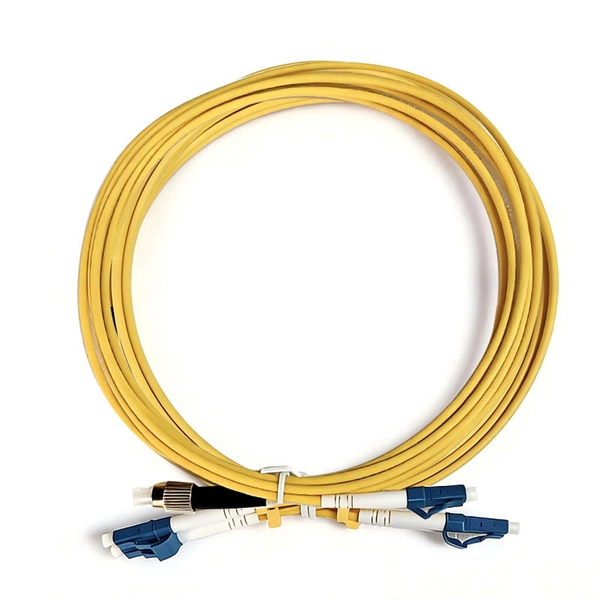
Can other brands of optical modules be used with a wavelength division multiplexing WDM box
Q: Can two optical modules from different brands/suppliers be connected to each other? A: If the wavelength, speed, and fiber type of the module are the same and operate normally on the original switch, two different brands of optical modules can be interconnected. 1, Same...
[PDF Version]
-
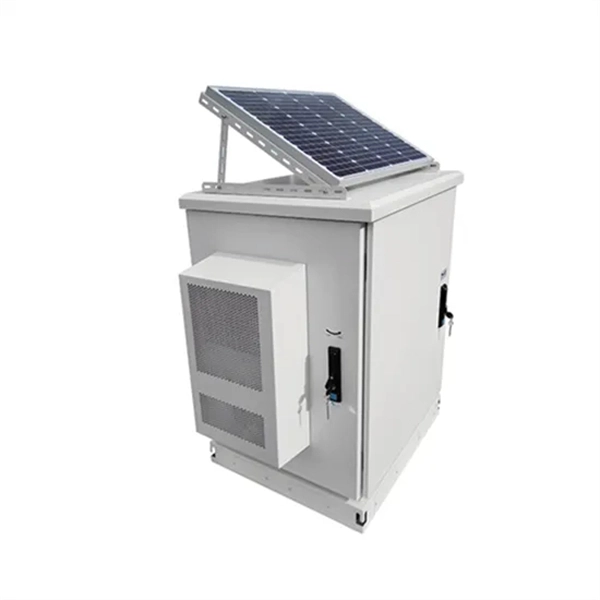
Characteristics of Dense Wavelength Division Multiplexing Technology
Dense wavelength division multiplexing (DWDM, ITU standard G. 1 ) is the extended method for very large data capacities, as required e. It uses a large number of channels (e. 40, 80, or 160), and a correspondingly small channel spacing of. WDM systems are divided into three...
[PDF Version]
-
WDM Wavelength Division Multiplexing technology can be divided into three types
WDM divides the fiber into channels with different wavelengths, allowing multiple signals to be transmitted simultaneously. There are three main types of WDM: WDM, CWDM, and DWDM, all of which increase the capacity of the fiber. Although both technologies function by...
-
AWG is a wavelength division multiplexing WDM device
AWG is a WDM technology used in DWDM systems to separate or combine many wavelength channels within a single fiber. Unlike TFF, which are simpler and suited for fewer channels, AWG can efficiently handle dozens of wavelengths simultaneously with consistent performance across...
[PDF Version]
-
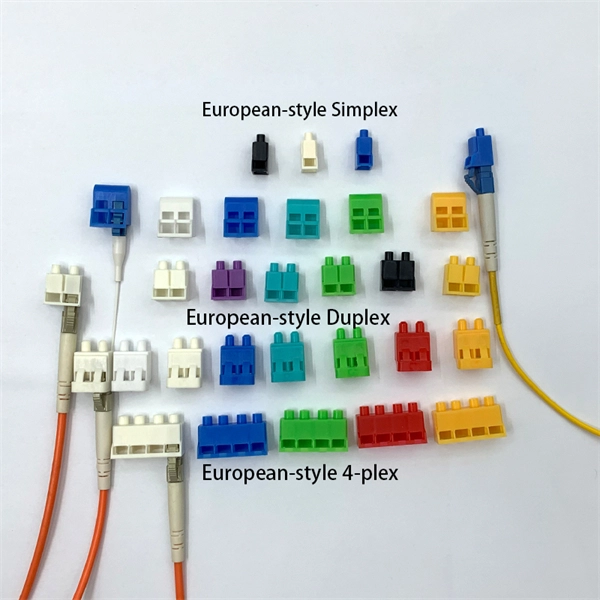
Bracket Grating Wavelength Division Multiplexing
Stanford researchers have developed a novel, inverse-designed wavelength division multiplexer (WDM) that integrates high-performance Bragg gratings for use in optical communication systems. The encoding of each sensor requires two binary codewords to define the amplitude and...
-
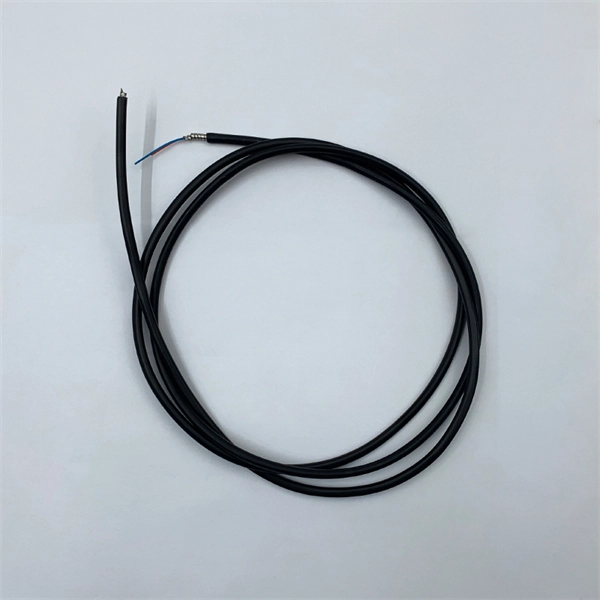
Twisted Pair Wavelength Division Multiplexing
WDM systems are divided into three different wavelength patterns: normal (WDM), coarse (CWDM) and dense (DWDM). Normal WDM (sometimes called BWDM) uses the two normal wavelengths 1310 and 1550 nm on one fiber. Coarse WDM provides up to 16 channels across multiple transmission...
[PDF Version]
-
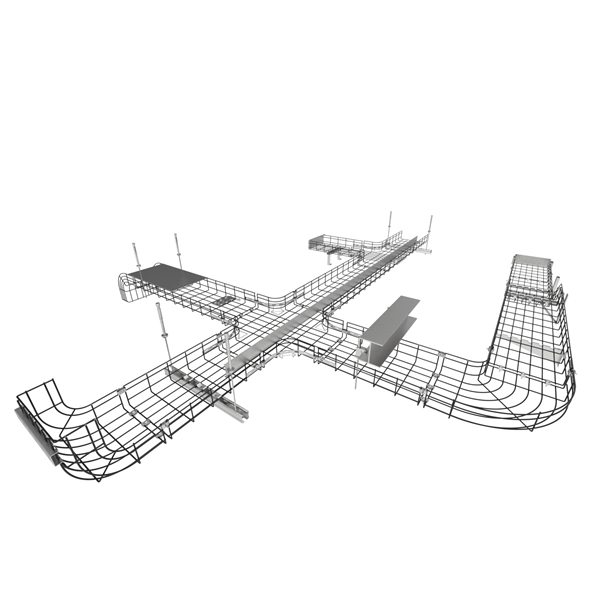
Applications of Wavelength Division Multiplexing and Time Division Multiplexing
In fiber-optic communications, wavelength-division multiplexing (WDM) is a technology which multiplexes a number of optical carrier signals onto a single optical fiber by using different wavelengths (i.e., colors) of laser light. This technique enables bidirectional...
[PDF Version]
-
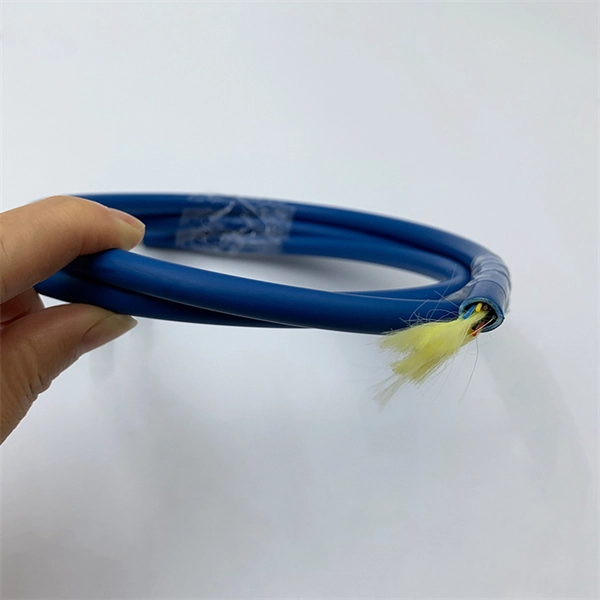
Wavelength Division Multiplexing Architecture
Normal WDM (sometimes called BWDM) uses the two normal wavelengths 1310 and 1550 nm on one fiber. Dense WDM (DWDM) uses the C-Band (1530 nm-1565 nm) transmission window but with denser. In fiber-optic communications, wavelength-division multiplexing (WDM) is a technology...
[PDF Version]
-
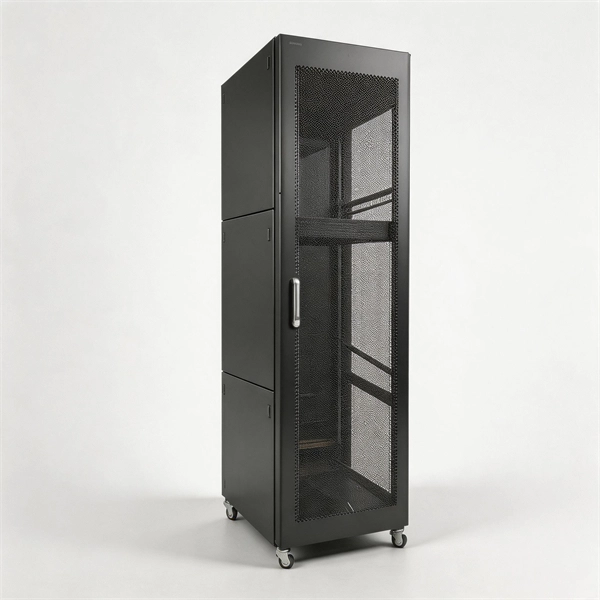
Fine Wavelength Division Multiplexing and Coarse Wavelength Division Multiplexing
WDM systems are divided into three different wavelength patterns: normal (WDM), coarse (CWDM) and dense (DWDM). Normal WDM (sometimes called BWDM) uses the two normal wavelengths 1310 and 1550 nm on one fiber. Coarse WDM provides up to 16 channels across multiple transmission...
[PDF Version]
-
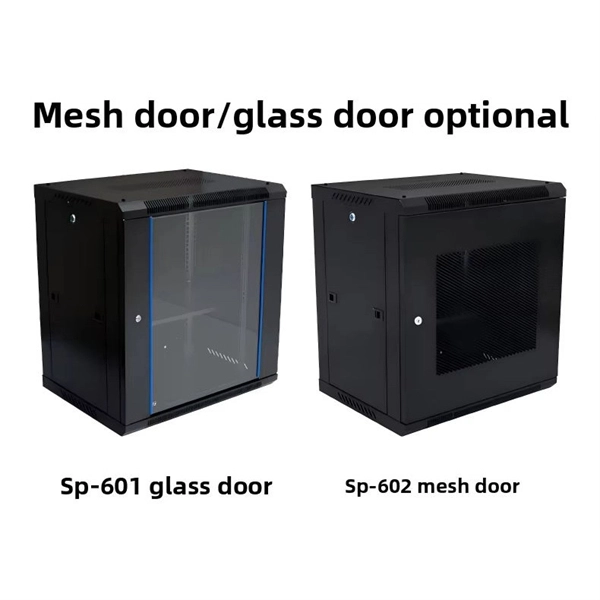
Mobile Wavelength Division Multiplexing
Normal WDM (sometimes called BWDM) uses the two normal wavelengths 1310 and 1550 nm on one fiber. Dense WDM (DWDM) uses the C-Band (1530 nm-1565 nm) transmission window but with denser. In fiber-optic communications, wavelength-division multiplexing (WDM) is a technology...