
What Are Overcurrent Protection Devices
Search optical fiber, connectivity, cable management and network infrastructure references.
- Overcurrent
- Protection
- Devices
Articles and technical references
9 on this page-
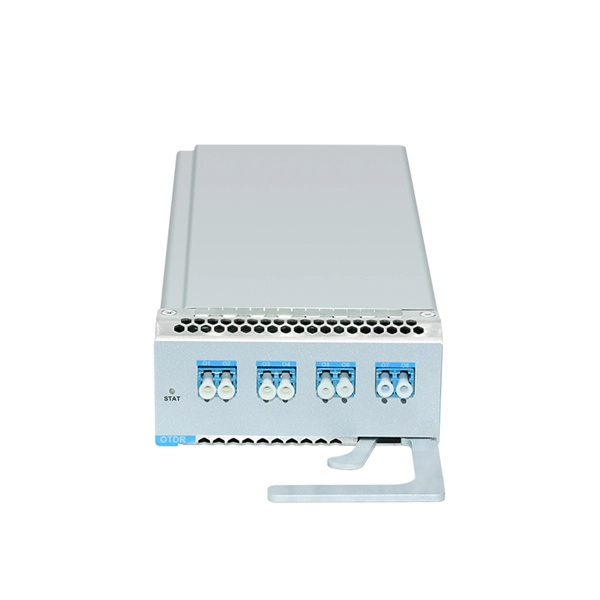
What is power plant relay protection
Protective relays are power system protection devices that monitor current, voltage, frequency, impedance, or differential quantities and command circuit breakers when faults or abnormal conditions occur. Engineering use: Relays are used on feeders, transformers, buses...
-
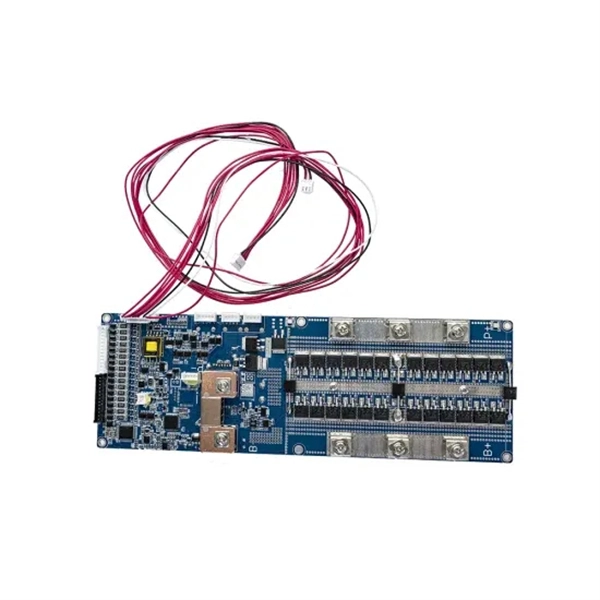
What protection should be used for fiber optic cable installations
The key to success lies in multi-layer protection—choosing outdoor-rated cables, using conduits or armor where necessary, and maintaining proper grounding, sealing, and inspection protocols. This guide covers how to safeguard outdoor fiber optics across underground, aerial...
-
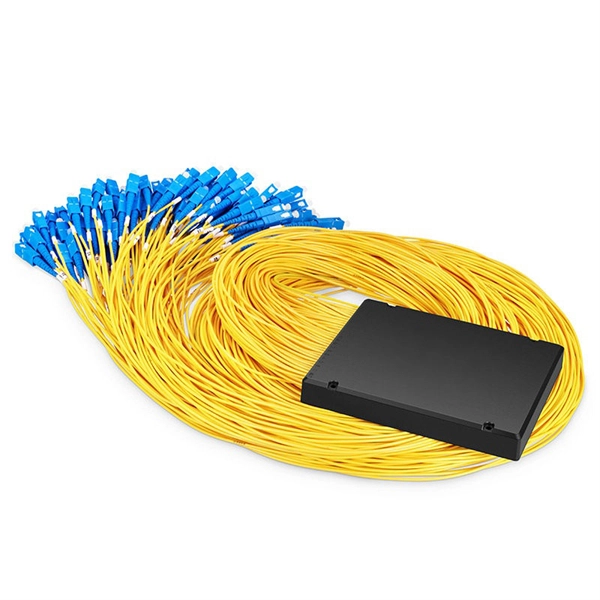
What are special optical fiber passive devices
Optical passive components refer to devices that handle optical signals but require no outside electrical power. They don't add gain or require power, but they decide how efficiently, cleanly, and safely light moves through your network or laser chain. This guide blends clear...
[PDF Version]
-
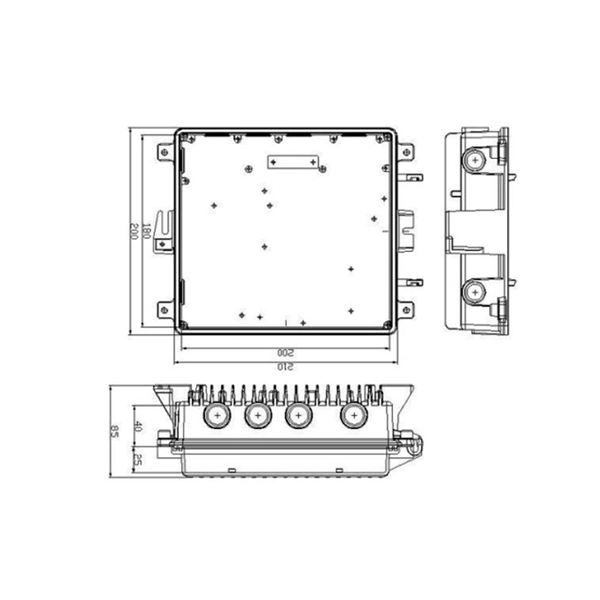
What does substation relay protection include
Common protections include: phase-to-phase short circuits, single-phase ground faults, single-phase grounding, and overload. A protection relay is an intelligent device used to monitor electrical parameters such as current, voltage, frequency, and phase angle. Here are the...
-
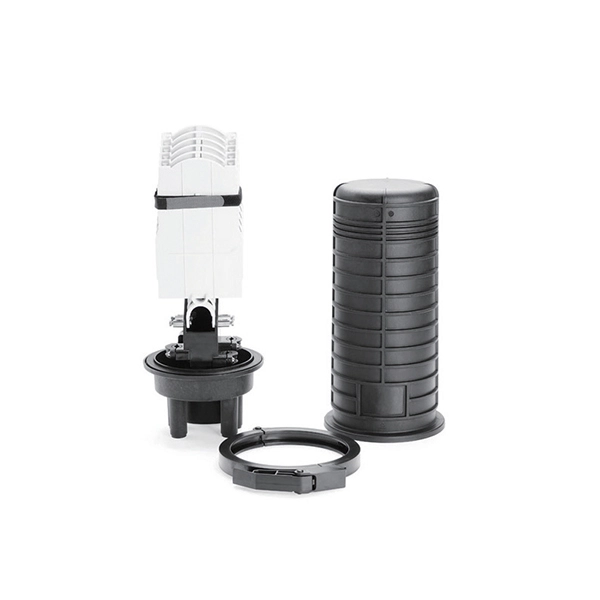
What does XT in relay protection refer to
The XT is a self-powered electronic overload relay available up to 175A as a self-contained unit. How can this be? Separate mounting for use with any. Eaton's XT line brings IEC power control to a whole new level. Enclosed control options include metallic and non-metallic...
[PDF Version]
-
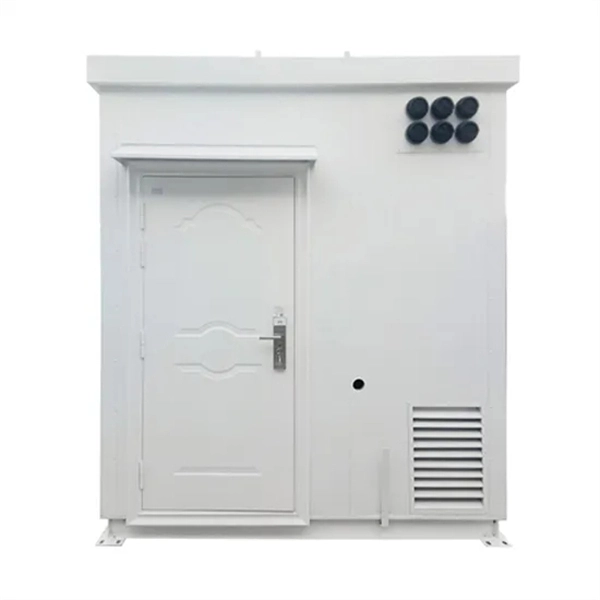
Reasons for Self-Test Alarms from Relay Protection Devices
Self-test mechanisms measure and verify that power supply voltages are within range, validate checksums of data, check the ability to read and write to memory, ensure that analog-to-digital conversion is correct, and monitor watchdog timers. One of the many advantages of SEL...
[PDF Version]
-
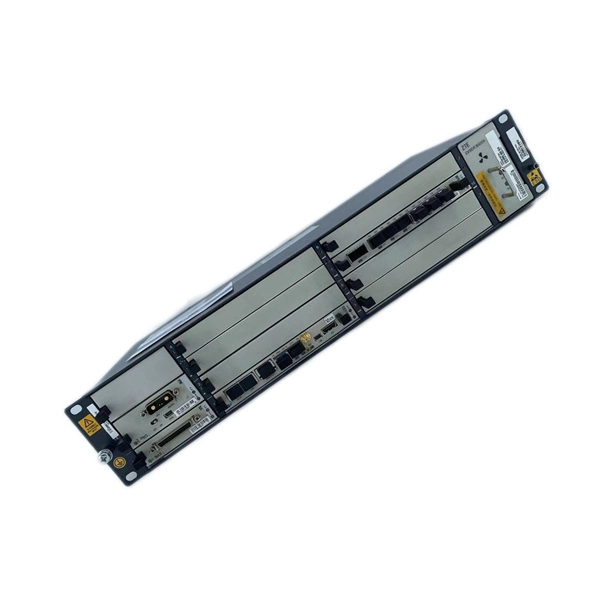
What is a relay protection and stability control device
A protective relay is a control and measurement device used in power systems to detect faults, unsafe operating conditions, or abnormal electrical behavior. Engineering use: Relays are used on feeders, transformers, buses, motors, generators, and transmission lines to protect...
[PDF Version]
-
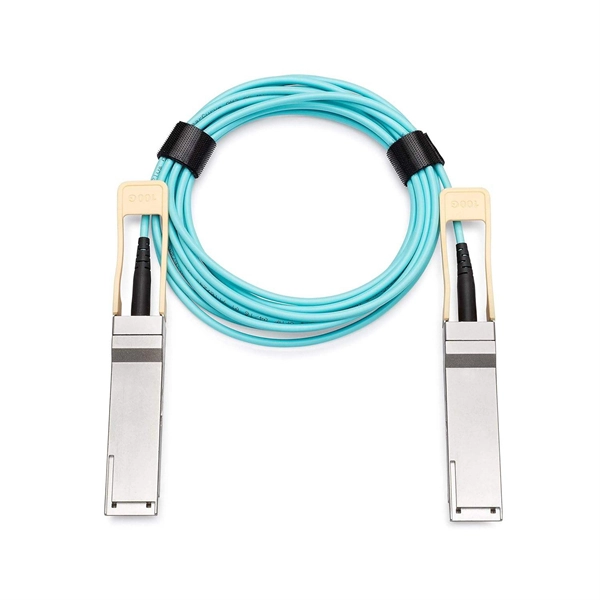
Relay protection devices have several modules
Relay modules come in various configurations, including single-pole, double-pole, and multi-pole variations, each being suited for different applications. Single-pole relays have one set of contacts, while double-pole relays have two sets, enabling control of multiple...
[PDF Version]
-
Do relay protection devices need to be grounded
Low resistance grounding of the neutral limits the ground fault current to a high level (typically 50 amps or more] in order to operate protective fault clearing relays and current transformers. These devices are then able to quickly clear the fault, usually within a few...