
What is a colocation data center?
A colocation data center is a facility that provides the building, cooling, power, bandwidth, and physical security. This type of data center can p...
Search optical fiber, connectivity, cable management and network infrastructure references.
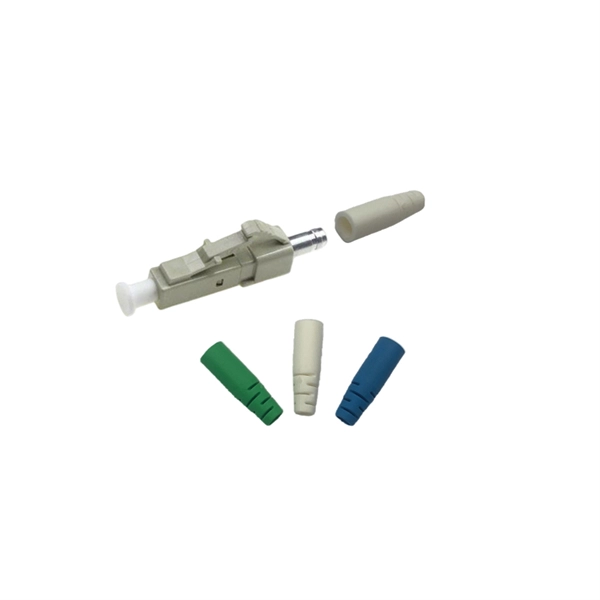
Data Center vs. Server Room: Main Differences, AdvantagesAccording to Cisco, a data center is a dedicated facility designed specifically to house IT infras.
[PDF Version]A colocation data center is a facility that provides the building, cooling, power, bandwidth, and physical security. This type of data center can p...
Cages refer to the type of space that comes with colocation data centers. The purpose of these cages is to separate one customer's space from anoth...
The industry-standard metric for data center efficiency is the Power Usage Effectiveness or PUE™. Most simply, PUE™ equals the total energy consump...
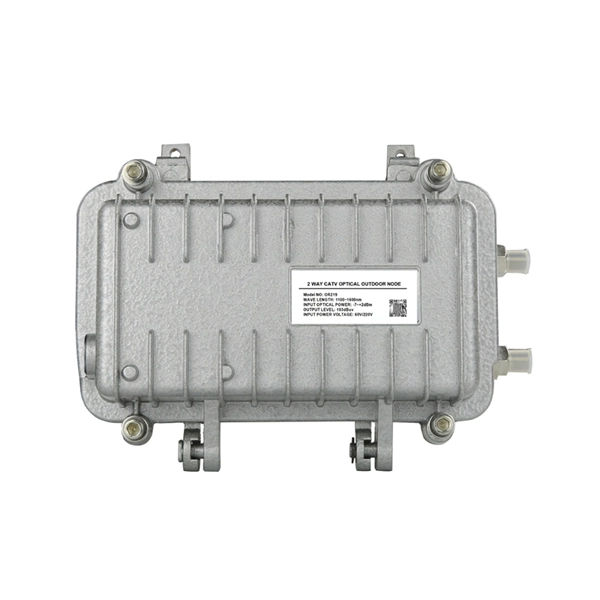
A “Rack Unit” (U) is a standard height measure for mounting equipment in a server rack. This article explains definition, planning, installation tips, and trends. [][] It is most frequently used as a measurement of the overall height of 19-inch and 23-inch rack frames, as...
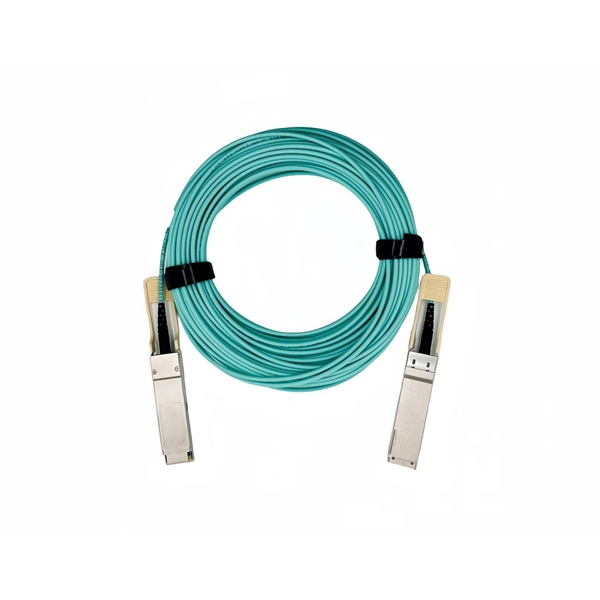
Running Category 6 (Cat6) network cable inside protective tubing, known as conduit, is a best practice for high-speed data installations. Server racks, from a strict technical point of view, are designed to house computers that are dedicated to serving out data and the...
[PDF Version]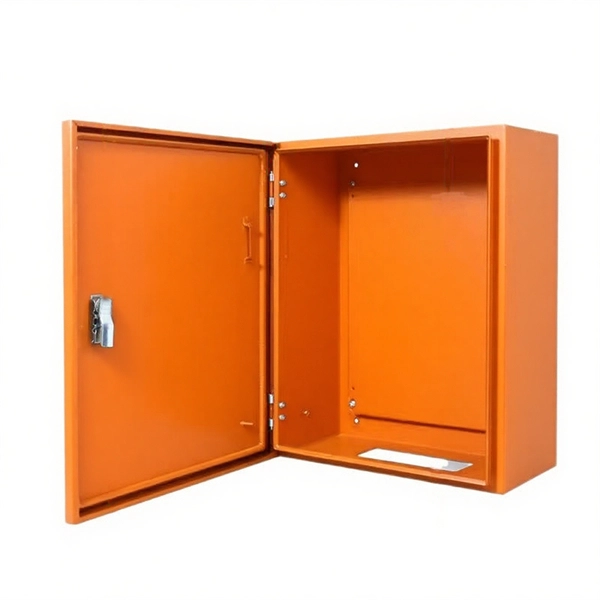
Network rack parts typically include routers, switches, patch panels, and cable organizers. It keeps things tidy. It includes an examination of servers, networking equipment, and storage solutions that work together to facilitate effective processing, storage, and...
[PDF Version]
While a standard rack uses 7-10 kW, an AI-capable rack can demand 30 kW to over 100 kW, with an average of 60 kW+ in dedicated AI facilities. This article provides a condensed analysis of these costs, key efficiency metrics, and optimization strategies. It is measured in...
[PDF Version]
The “LX” stands for Long wavelength, typically operating at 1310 nm, and is primarily intended for use with single-mode fiber (SMF). What exactly does “LX” mean in SFP modules? How does it compare with LR, LH, or SX optics? Can LX modules be used with multimode fiber or mixed...
[PDF Version]
The installation involves preparing the work space, verifying supplied components, and fixing panelboards per plans, specifications, & manufacturer recommendations. If your projects involve electrical panel installations within residential, commercial, or industrial...
[PDF Version]A PLC Cabinet is a secure enclosure that houses a Programmable Logic Controller (PLC) and its accessories, offering protection from environmental a...
PLC is an industrial computer used for automation, while PCB is a circuit board that connects electronic components.
PLC boards vary by application and can be relay output, analog I/O, digital I/O, or communication boards.
The Huawei 10G-1310nm-10km-SM-SFP+ (SFP-10G-LRV) Optical Transceiver is a single-mode module designed to enable high-performance optical data communication in a variety of networking applications. Describes what an optical module is and FAQs, including the fundamentals...
[PDF Version]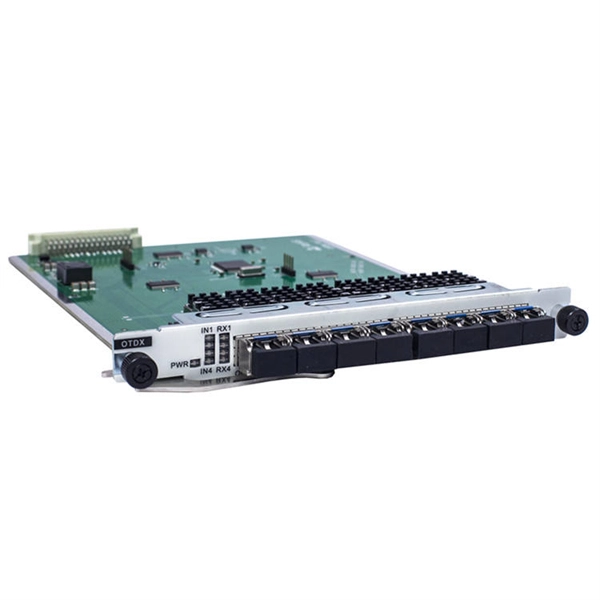
The primary categories are open frame racks and closed frame racks, each offering unique advantages based on their structure and design. Open frame racks are a flexible and cost-effective option for mounting equipment in data centers. Choosing the right server rack involves...
[PDF Version]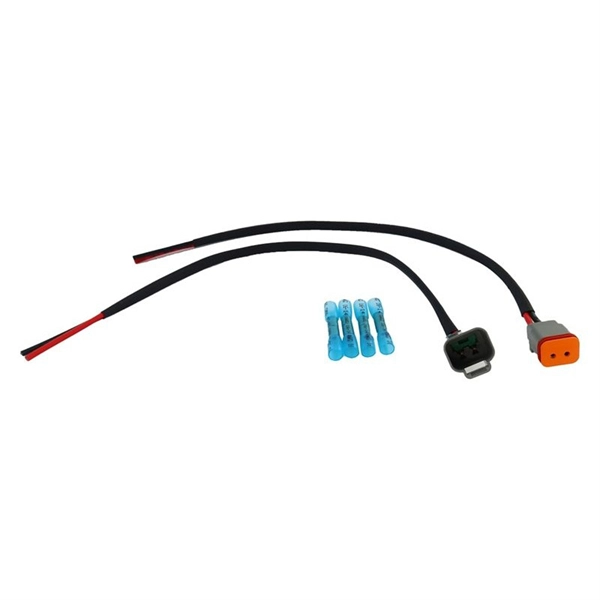
At this point, the production process of the optical modules is complete. The finished products are placed into anti-static bags and blister packs, then packaged and shipped via courier to customers around the world. When the transmitter is connected to the receiver through...
[PDF Version]Share the fiber interfaces, termination capacity, cable route and evidence required for handover.