
What is a colocation data center?
A colocation data center is a facility that provides the building, cooling, power, bandwidth, and physical security. This type of data center can p...
Search optical fiber, connectivity, cable management and network infrastructure references.
The primary categories are open frame racks and closed frame racks, each offering unique advantages based on their structure and design. Open frame racks are a flexible and cost-effective option for mounting equipment in data centers. Choosing the right server rack involves...
[PDF Version]
Running Category 6 (Cat6) network cable inside protective tubing, known as conduit, is a best practice for high-speed data installations. Server racks, from a strict technical point of view, are designed to house computers that are dedicated to serving out data and the...
[PDF Version]
Network rack parts typically include routers, switches, patch panels, and cable organizers. It keeps things tidy. It includes an examination of servers, networking equipment, and storage solutions that work together to facilitate effective processing, storage, and...
[PDF Version]
While a standard rack uses 7-10 kW, an AI-capable rack can demand 30 kW to over 100 kW, with an average of 60 kW+ in dedicated AI facilities. This article provides a condensed analysis of these costs, key efficiency metrics, and optimization strategies. It is measured in...
[PDF Version]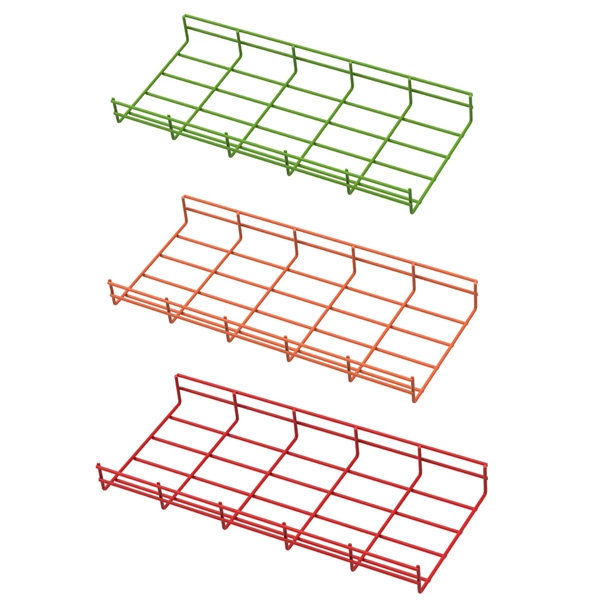
This guide compares AWS, Azure, and GCP across the dimensions that matter most for AI workloads: GPU and accelerator hardware, managed ML services, model serving infrastructure, training versus inference costs, data pipeline services, and MLOps tooling. They turn to AI cloud...
[PDF Version]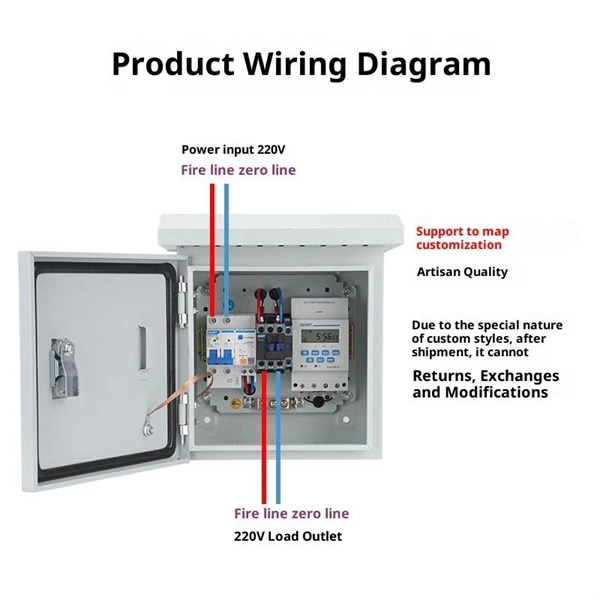
Discover the main cable tray support types: wall-mounted, ceiling-hung, floor-mounted, and cantilever brackets. Learn how each suits different installations. Click to explore technical specs and best practices for reliable electrical systems. Each cable tray type performs a...
[PDF Version]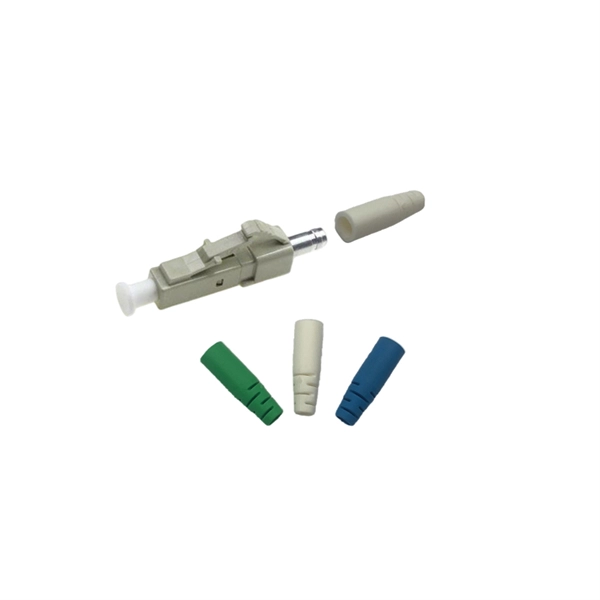
Data Center vs. Server Room: Main Differences, AdvantagesAccording to Cisco, a data center is a dedicated facility designed specifically to house IT infras.
[PDF Version]A colocation data center is a facility that provides the building, cooling, power, bandwidth, and physical security. This type of data center can p...
Cages refer to the type of space that comes with colocation data centers. The purpose of these cages is to separate one customer's space from anoth...
The industry-standard metric for data center efficiency is the Power Usage Effectiveness or PUE™. Most simply, PUE™ equals the total energy consump...
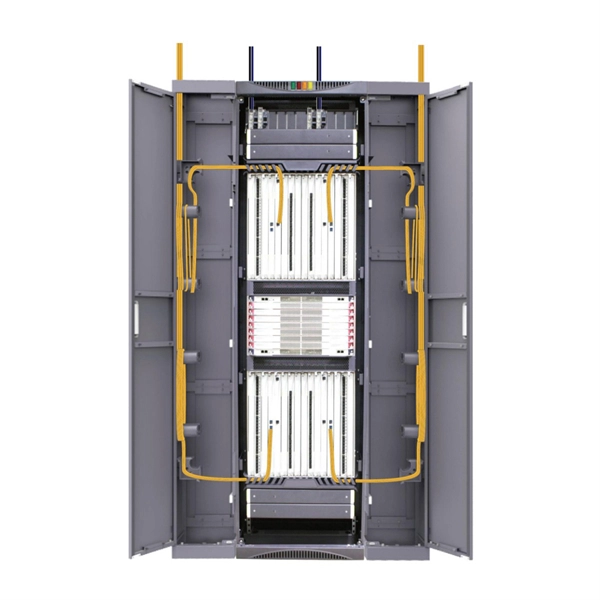
Low-voltage wiring carries 50V or less and powers business-critical systems like data/Ethernet (Cat5e/Cat6/Cat6a), VoIP, security, A/V, building automation, and fiber backbones. The types of cables, allowed in cable trays, and the wiring methods permitted in cable trays can...
[PDF Version]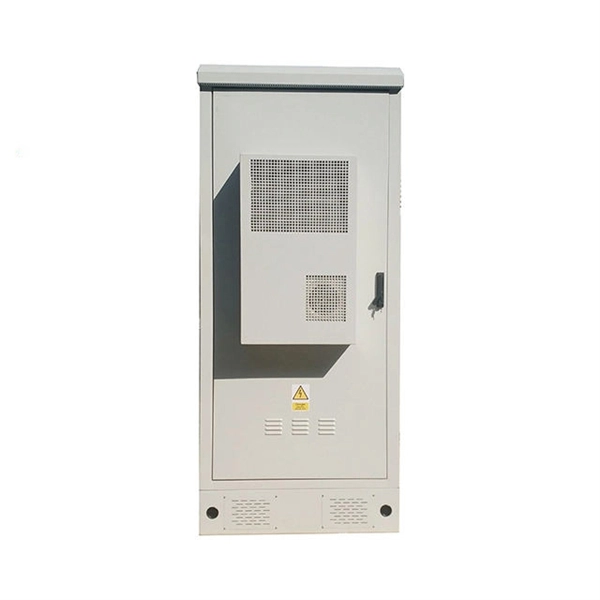
Some common types include dome splice closures, inline splice closures, and horizontal splice closures. Some are designed for concatenation of long distance cables where two identical cables are spliced together. Advanced sealing methods and durable. Fiber optic closure is a...
[PDF Version]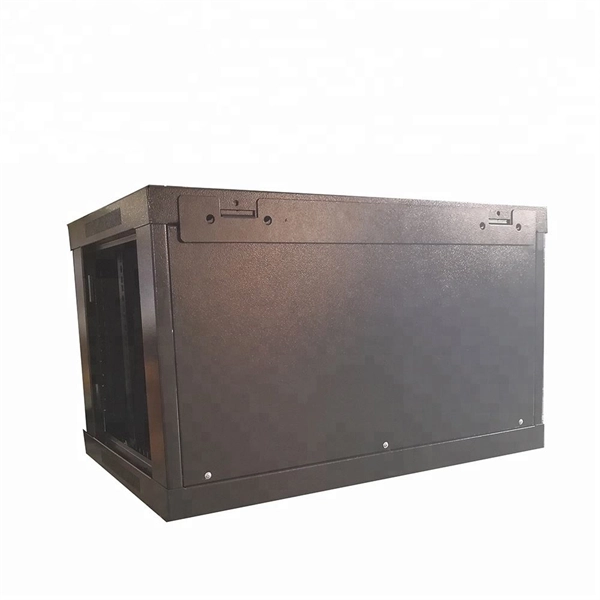
1U Server Chassis: The smallest standard rackmount size, 1U server chassis are 1. They are ideal for maximizing density in space-constrained environments, as you can fit up to 42 1U servers in a standard 42U rack. A server chassis is a specialized enclosure that houses the...
[PDF Version]Share the fiber interfaces, termination capacity, cable route and evidence required for handover.