
What is a colocation data center?
A colocation data center is a facility that provides the building, cooling, power, bandwidth, and physical security. This type of data center can p...
Search optical fiber, connectivity, cable management and network infrastructure references.
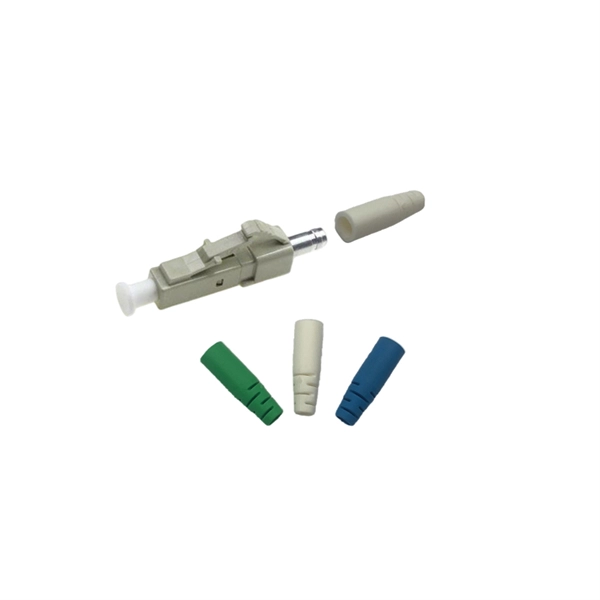
Data Center vs. Server Room: Main Differences, AdvantagesAccording to Cisco, a data center is a dedicated facility designed specifically to house IT infras.
[PDF Version]A colocation data center is a facility that provides the building, cooling, power, bandwidth, and physical security. This type of data center can p...
Cages refer to the type of space that comes with colocation data centers. The purpose of these cages is to separate one customer's space from anoth...
The industry-standard metric for data center efficiency is the Power Usage Effectiveness or PUE™. Most simply, PUE™ equals the total energy consump...
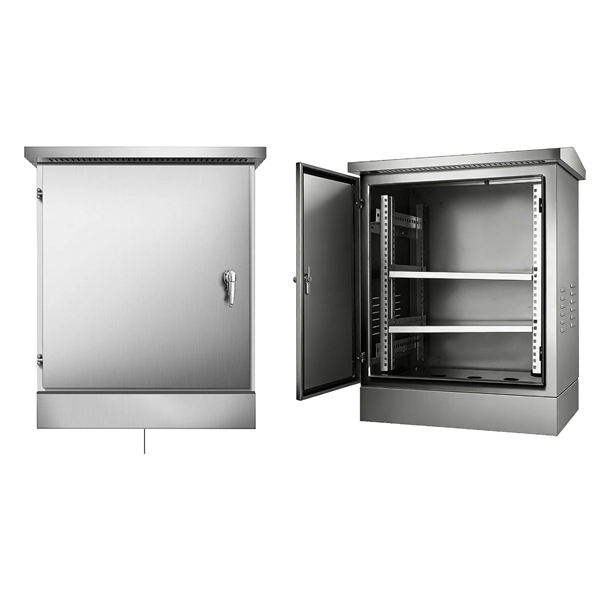
Warranty: This Vertiv™ product is warranted to be free of defects in material and workmanship for a period of (3) Year from Assembly or (42) months from Shipment. Cold Aisle Containment isolates the cooled supply air from the cooling units within direct proximity of the air...
[PDF Version]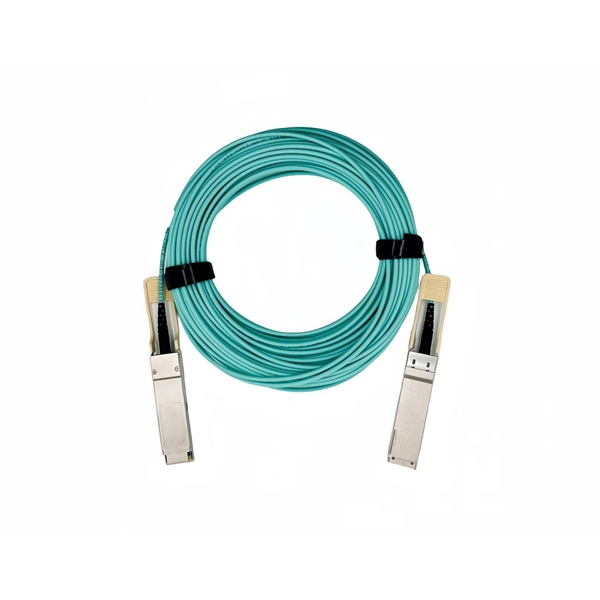
Running Category 6 (Cat6) network cable inside protective tubing, known as conduit, is a best practice for high-speed data installations. Server racks, from a strict technical point of view, are designed to house computers that are dedicated to serving out data and the...
[PDF Version]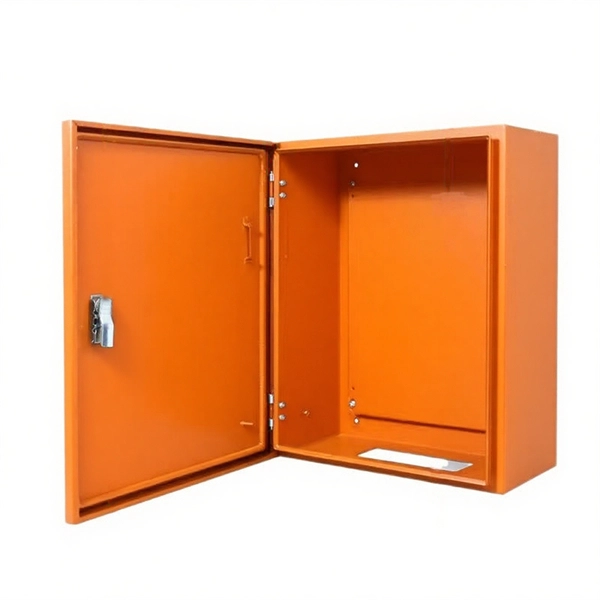
Network rack parts typically include routers, switches, patch panels, and cable organizers. It keeps things tidy. It includes an examination of servers, networking equipment, and storage solutions that work together to facilitate effective processing, storage, and...
[PDF Version]
While a standard rack uses 7-10 kW, an AI-capable rack can demand 30 kW to over 100 kW, with an average of 60 kW+ in dedicated AI facilities. This article provides a condensed analysis of these costs, key efficiency metrics, and optimization strategies. It is measured in...
[PDF Version]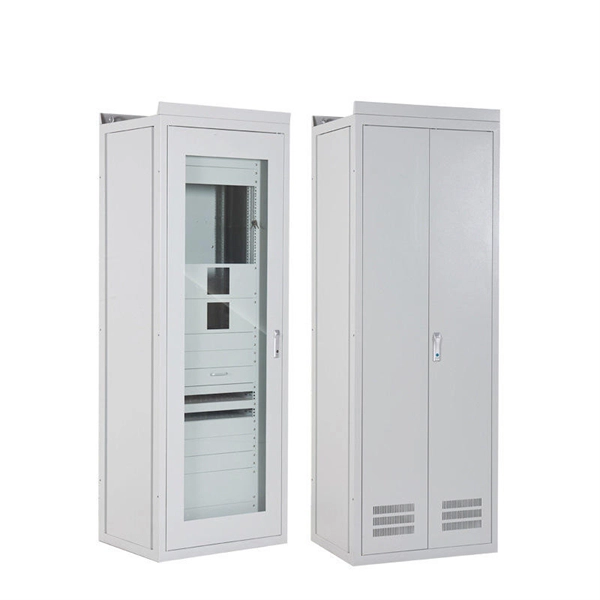
The equipment room houses core network components, including servers, routers, switches, and PBXs. It serves as the central distribution point for the structured cabling system, often containing fiber distribution frames (FDFs) and patch panels. It consists of seven key...
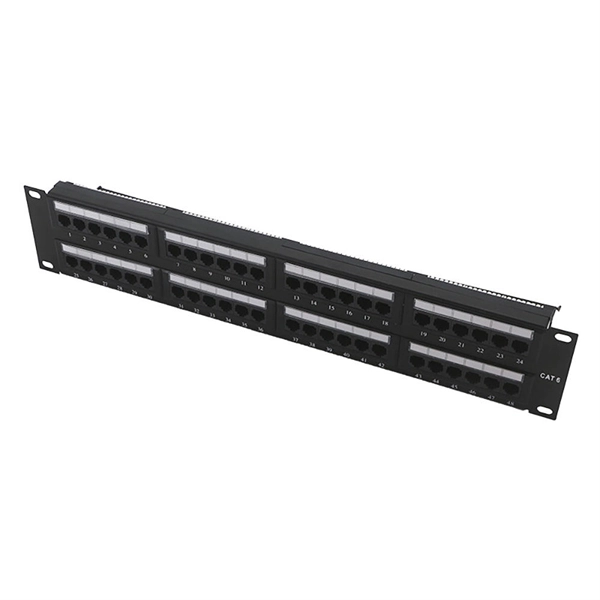
Also called basket trays, they're lightweight, bendable, and easy to cut to fit odd corners. They allow plenty of airflow, which helps keep smaller. A properly designed cable tray system provides a structured pathway for power and data cables, allowing for efficient heat...
[PDF Version]
The primary categories are open frame racks and closed frame racks, each offering unique advantages based on their structure and design. Open frame racks are a flexible and cost-effective option for mounting equipment in data centers. Choosing the right server rack involves...
[PDF Version]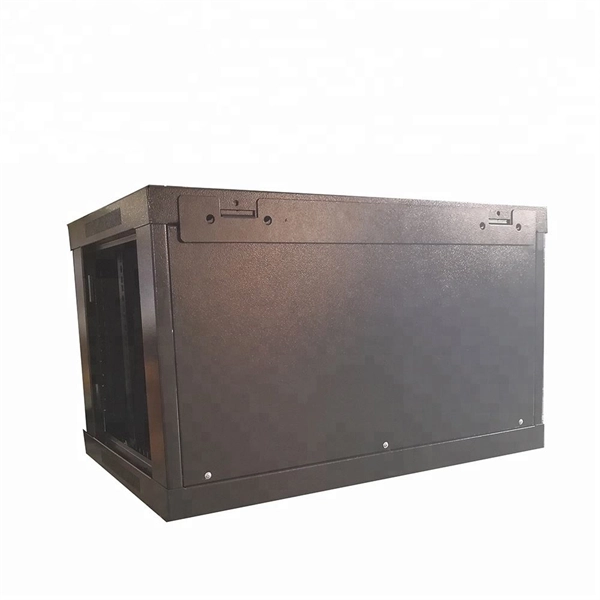
1U Server Chassis: The smallest standard rackmount size, 1U server chassis are 1. They are ideal for maximizing density in space-constrained environments, as you can fit up to 42 1U servers in a standard 42U rack. A server chassis is a specialized enclosure that houses the...
[PDF Version]Share the fiber interfaces, termination capacity, cable route and evidence required for handover.