
What Is The Difference Between Cable Tray Vs Cable
Search optical fiber, connectivity, cable management and network infrastructure references.
- Difference
- Between
- Cable
Articles and technical references
8 on this page-

What is a reasonable price difference between fire-resistant cable trays and ordinary cable trays
The cost of a flame-retardant cable tray is 2. Cablofil cable tray is the preferred choice for the cable containment of low and high voltage electric cables where fire resistance is crucial - this includes cable basket tray systems for Prysmian FP (FP400 and FP600) and Draka...
[PDF Version]
-
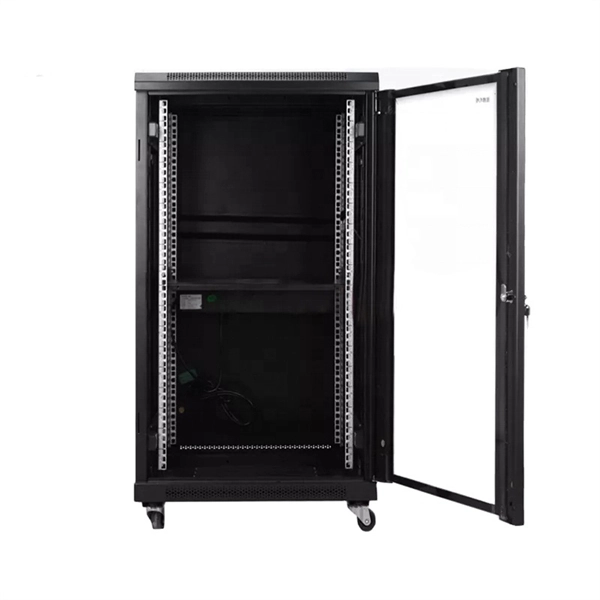
What is a U-shaped cable tray
The channel cable tray features a simple, U-shaped or channel-like structure that provides a compact and straightforward solution for supporting electrical cables. Today, electrical cable trays have become an essential component in industrial and commercial construction...
[PDF Version]
-
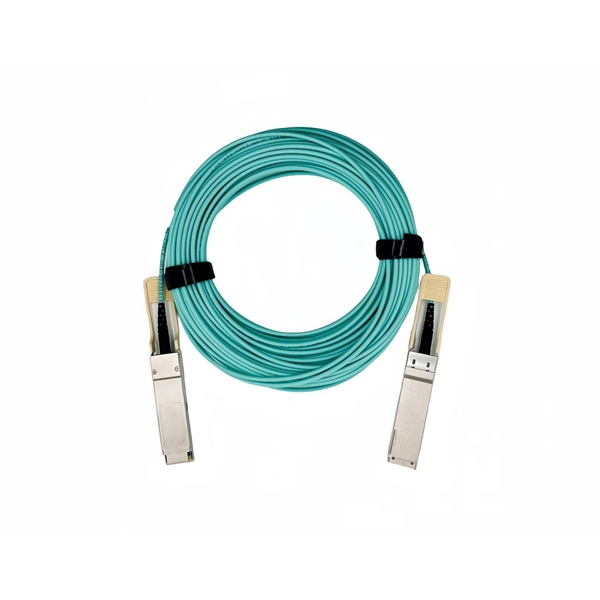
What type of cable conduit is needed for a network server rack
Running Category 6 (Cat6) network cable inside protective tubing, known as conduit, is a best practice for high-speed data installations. Server racks, from a strict technical point of view, are designed to house computers that are dedicated to serving out data and the...
[PDF Version]
-

What material are cable tray nuts made of
Here are the most common materials: Galvanized Steel – Provides high corrosion resistance and durability. Stainless Steel – Ideal for harsh environments with chemical exposure. Aluminum – Lightweight, rust-resistant, and easy to install. B manufactures its cable tray in a...
[PDF Version]
-

What is the appropriate width for cable tray tracks
Industrial setups often require standard cable tray widths ranging from 50mm to 900mm, depending on the number and type of cables being managed. Picking the right width ensures that cables are housed properly without overcrowding. In practice, cable tray dimensions are a...
[PDF Version]
-
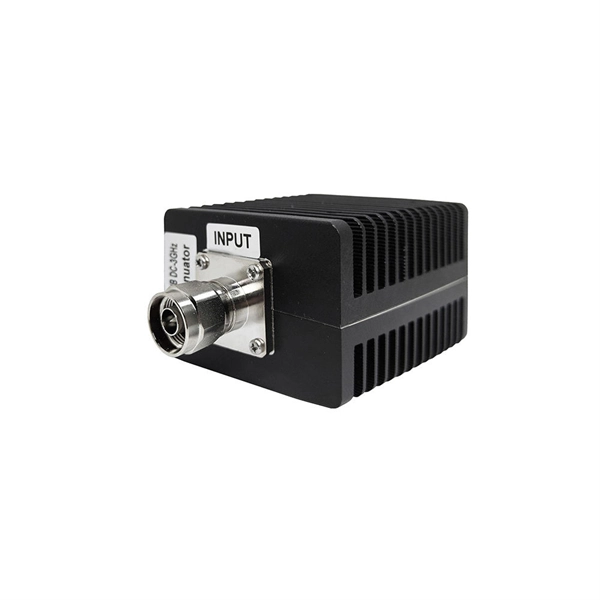
What kind of cables are best to put in a regular cable tray
Control and instrumentation cables suitable for tray use. Many cable tray rated cables include a crush and impact test as part of the listing and are rated as exposure rated (ER). In many cases there is more than one type of cable for a. Cable tray types, fill rules for...
[PDF Version]
-
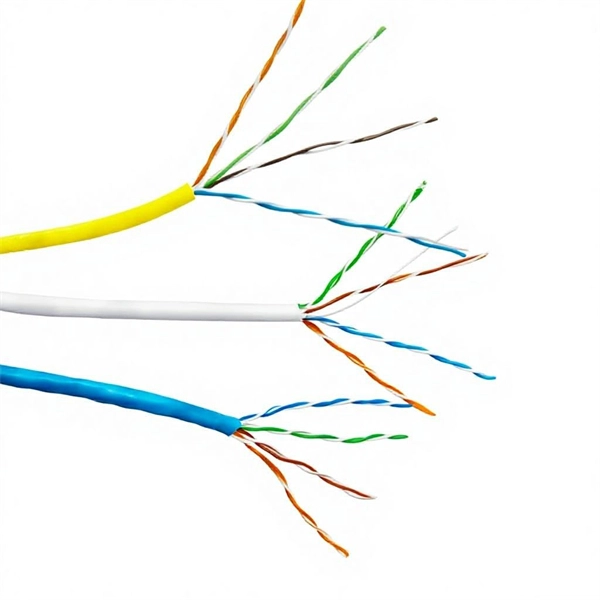
What to do if the router s fiber optic cable breaks
Begin fiber optic cable troubleshooting by inspecting fiber patch cables, connectors, and ports for visible damage. If no issues are found, use an OTDR to pinpoint the break and replace the damaged fiber or defective component. The most common problems usually fall into four...
-
What are cable trays and cable equipment
Several types of tray are used in different applications. A solid-bottom tray provides the maximum protection to cables, but requires cutting the tray or using fittings to enter or exit cables. A deep, solid enclosure for cables is called a cable channel or cable trough. A...