
Technical notes
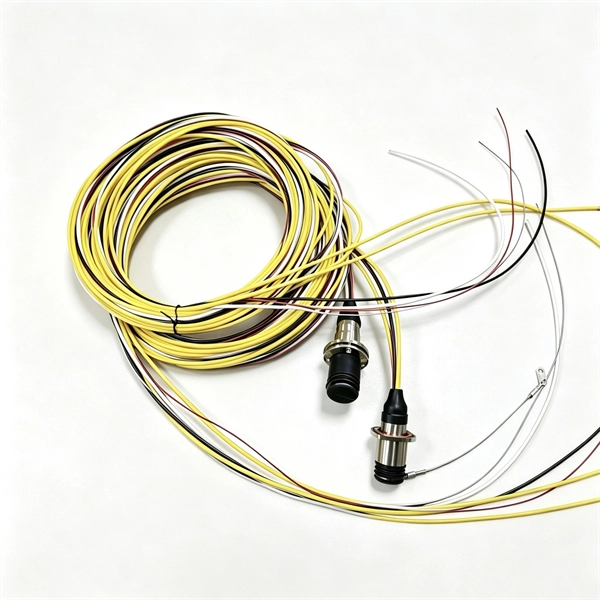
Fiber-Optic Communication
Fiber-optic technology is the backbone of the modern internet carried by high-speed communication and data networks including wide area, metro area, and access networks.
Fiber Optic Communications: Components and Applications
Fiber optic communications is the high-speed highway of modern data, using light to zip information through thin glass strands at blazing speeds. It''s the backbone of the internet, telephone networks,
Fiber Optics: Understanding the Basics
Nothing has changed the world of communications as much as the development and implementation of optical fiber. This article provides the basic principles needed to work with this technology.
Optical Fiber Communication
In the communication system, telecommunication has major uses of optical fiber cables for transmitting and receiving purposes. It is used in various networking fields and even increases the speed and
Optical fiber
Because of these properties, silica fibers are the material of choice in many optical applications, such as communications (except for very short distances with plastic optical fiber), fiber lasers, fiber
Fiber Optics and Types
An Optical Fiber is a cylindrical fiber of glass that is hair-thin in size or any transparent dielectric medium. The fiber which is used for optical communication is waveguides made of
Understanding Fiber Optic Communication System: Working,
Fiber optic communication refers to a method of transmitting data that utilizes light instead of electrical signals to send information through optical fibers. It works on the principle of total internal
Communication Systems/Fiber Optic Systems
Long-haul trunks were the first application of optical fiber to gain universal acceptance. Three alternate methods are coax (copper), terrestrial microwave and satellite. While microwave towers can be used
Handbook – Optical fibres, cables and systems
ITU-T has been active in the standardization of optical communications technology and the techniques for its optimal application within networks from the infancy of this industry. However, it is not always
A Comprehensive Guide to the Fascinating World of
It is clear to see that fiber optic technology has the potential to revolutionize many aspects of everyday life, from communication and entertainment to security and
What Is Fiber Optics? A Guide
Fiber optics technology uses light pulses to transmit data, resulting in quicker, more reliable data transfers between sources than copper cables.
Fiber Optics and Types
Fibre optics, with its high bandwidth, low electromagnetic interference, and resilience, is critical for modern telecommunications, internet, medical, and military applications. Despite greater
What Is Fiber Optics?
Fiber optics is restructuring the world of communications with its ability to send data faster and more reliably than traditional cables. Explore what fiber optics is and how it works within
Fiber optics | Definition, Inventors, & Facts | Britannica
Fiber optics, the science of transmitting data, voice, and images by the passage of light through thin, transparent fibers. In telecommunications, fiber optic technology is used to link
Fiber Optic Communications: Components and Applications
From cities to oceans, fiber optics binds us together. Advantages and Challenges of Fiber Optic Communications Fiber optic communications boasts massive bandwidth and low signal loss,
Fiber-Optic Communication Systems
This course investigates the basic aspects of fiber-optic communication systems. Topics include sources and receivers, optical fibers and their propagation characteristics, and optical fiber systems.
Fiber Optic Communication Tutorial | RF Wireless World
Fiber optic communication systems are mainly used for long-distance telephone communication across large seas and, nowadays, even for transmitting internet data from one part of the world to another.
Fiber Optic Cables: Advantages, Disadvantages, and
Explore the technical aspects of fiber optic cables in this comprehensive guide. Learn about their advantages, disadvantages, and various
Related Video Reference
This video was associated with the source search result. Verify technical details against current product documentation and project requirements.