
Why Bidirectional Otdr Testing Is Essential For Fiber Optic Certification
Search optical fiber, connectivity, cable management and network infrastructure references.
- Bidirectional
- Otdr
- Testing
Articles and technical references
7 on this page-
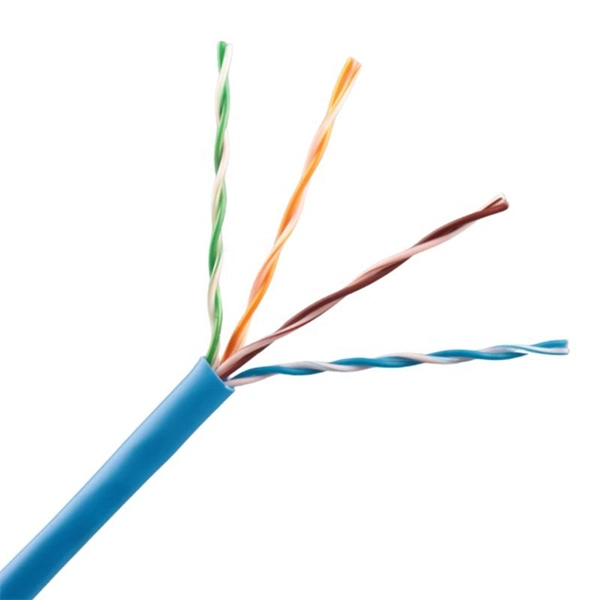
Bidirectional testing of optical cables
Bidirectional OTDR Testing. Available Tools & Testing MethodsLearn all about bidirectional OTDR testing. Learn how it works, its benefits, its drawbacks, a.
[PDF Version]
-

How to set up single-mode pigtail for OTDR testing
This guide walks through the right settings for both fiber types and the differences between SM and MM trace interpretation. Single-mode: test at 1310nm + 1550nm (add 1625nm long-haul), IOR ~1. To maximize dynamic range (maximum distance), compromises must be made on testing...
-
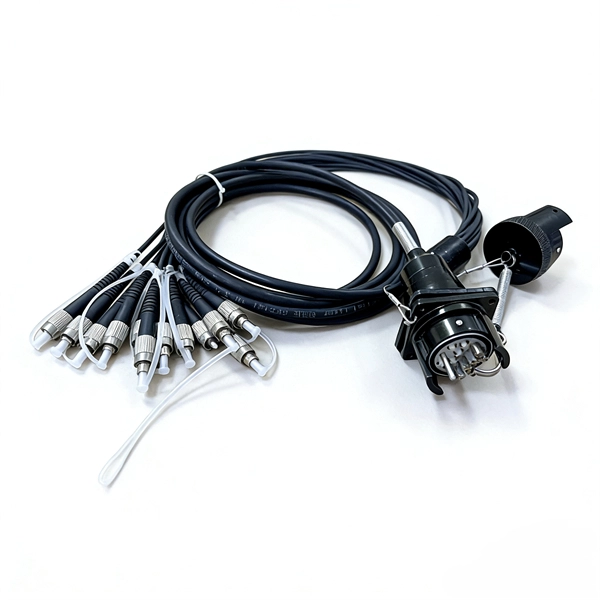
Why are pigtail fibers always one-to-one
Fiber optic pigtails are equipped with a single pre-terminated connector at one end, while the other end consists of bare fibers. The connector end is polished and tested under factory conditions, ensuring low insertion loss and high return loss. While both are essential for...
-
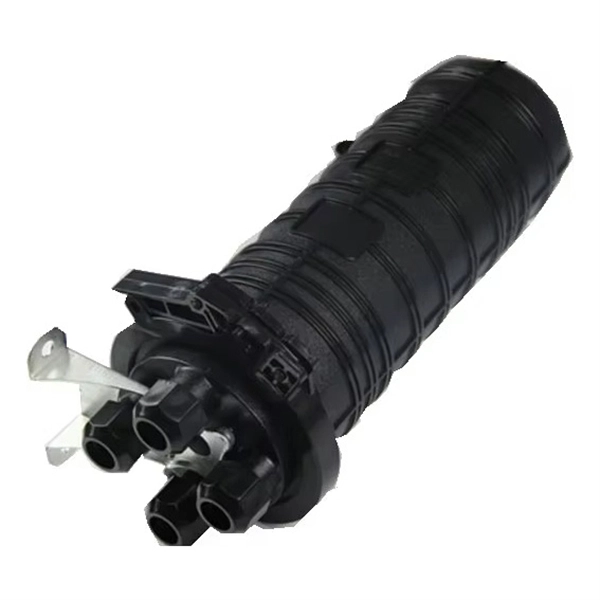
Fiber Optic Cable Torsion Testing Equipment
Torsional Testers simulate real-world mechanical stress by rotating a fixed length of cable repeatedly, both clockwise and counterclockwise, under controlled axial tension. Watch our video to see it in action and learn more from our ATPC Engineer. Torontech is a global leader...
[PDF Version]
-
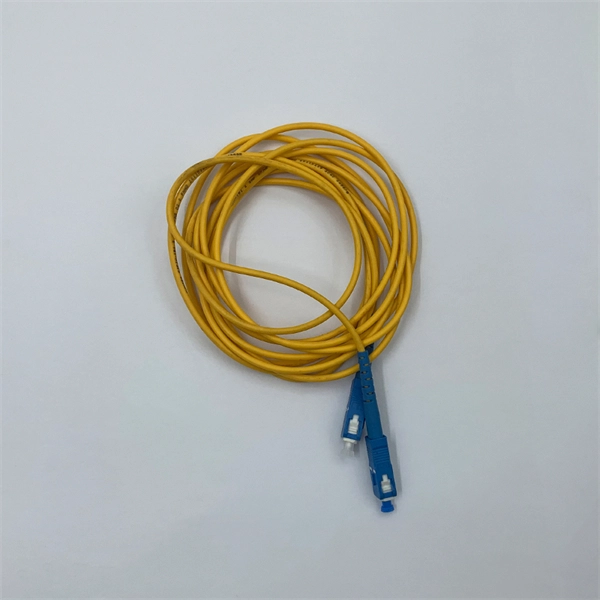
Reasons why the fiber optic cable splice tail cannot be fused
Common causes include incorrect settings, dirty equipment, or even damaged fibres. Understanding what might be going wrong and how to address it can save you time and ensure your splicing job is completed successfully. What is it that gets spliced onto a fiber optic cable...
[PDF Version]
-
Essential Knowledge and Skills for Power Plant Relay Protection
This handbook covers the code of practice in protection circuitry including standard lead and device numbers, mode of connections at terminal strips, colour codes in multicore cables, dos and donts in execution. This Modern Power System Protective Relaying training course has...
[PDF Version]
-
How many nm should be selected for testing single-mode fiber
It has been standard practice for many years to perform single mode fiber tests at 1550 nm (in addition to 1310 nm), to help find identify cabling stress points. Typically, a kinked cable may pass at 1310 nm, but fail at 1550 nm or beyond. 1625 nm: Often used for in-service...
[PDF Version]