Skip to content
PROMETHEASOPTICAL Send a project enquiry
Reference library

Wiring and Electrical Cabinet Assembly

Published
  • Wiring
  • Electrical
  • Cabinet
Source context

AI source overview

Efficient electrical cabinet assembly combines structured wiring, modular connectors, and standardized safety practices to reduce installation time while ensuring reliability and compliance. Wiring MethodsPush-in and spring-clamp technologies allow for fast, tool-free connections. For example, WAGO's Push-in CAGE CLAMP® system enables solid and fine-stranded conductors to be plugged directly into terminal blocks, providing vibration-proof, maintenance-free connections.

Lever, push-button, and operating slot variants allow flexibility for field or factory wiring, accommodating large or difficult-to-bend conductors efficiently. Traditional terminal block wiring remains common but is more time-consuming, requiring manual cable preparation, insertion, tightening, and verification. Each step introduces variability, which can affect long-term reliability.

Modular connectors and harness systems are increasingly used in modern cabinets. These pre-assembled wiring harnesses reduce on-site labor, simplify troubleshooting, and improve consistency across multiple cabinets. Structured wiring layouts, where cables are routed logically and labeled clearly, further enhance efficiency and safety.

Assembly Process

Component layout and configuration are critical. Cabinets should be designed with clear separation of power, control, and signal circuits, following logical control principles and operational requirements. Proper spacing, airflow, and accessibility for maintenance are essential.

Documentation is a key part of assembly. This includes installation drawings, connection diagrams, material lists, and as-built records. These documents ensure compliance with technical requirements, facilitate testing, and support future maintenance.

Testing and inspection involve visual and mechanical checks to ensure cleanliness, correct installation, and adherence to drawings. Electrical tests verify continuity, insulation, and proper function of circuits. Reports should be generated for quality assurance.

Safety and Compliance

Electrical safety is paramount. All hazardous energy sources must be isolated, and protective measures such as grounding, SELV/PELV power supplies, and proper shielding must be implemented. Devices should be installed to prevent fire hazards, and all connections must comply with local regulations and EMC requirements.

EM

C considerations include proper cable routing, shielding, and grounding to prevent interference. Modular designs can help maintain consistent EMC performance across multiple installations.

Best Practices

Use modular and pre-terminated connectors to reduce wiring time. Maintain structured cable routing with clear labeling. Follow component separation and logical layout for safety and maintenance.

Ensure compliance with local electrical codes and EMC standards. Document all wiring, assembly, and testing procedures for traceability. By combining these methods, electrical cabinets can be assembled efficiently, safely, and reliably, minimizing installation time while ensuring long-term operational performance.

Research context

Reference summary

How to organize wiring in control cabinets? Proper organization of wiring in control cabinets is essential for the reliability, safety, and ease of mainten.

From reference to enquiry

Questions for your project

Use these editorial prompts alongside the linked excerpts. They identify items to confirm for your project.

Technical notes

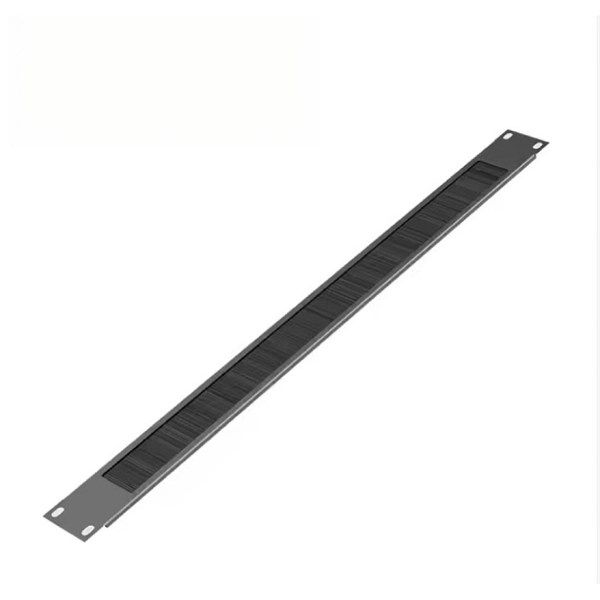
Illustrative equipment image

How to organize wiring in control cabinets?

Proper organization of wiring in control cabinets is essential for the reliability, safety, and ease of maintenance of automation systems. This article discusses the key principles of planning,

Assembly of industrial electrical cabinets

At IARM Systems, where we specialize in automation system integration, cabinet assembly is one of the most critical stages of every project. It''s where design, engineering, and craftsmanship come

Guide to PLC Cabinets: Types, Layout, Wiring & Components

This guide will walk you through the essential steps to design and wire an efficient PLC control cabinet. We''ll cover key topics like selecting components, cabinet layout, cooling, wiring, and

Control Cabinet – Wiring | WAGO

The most time-consuming step in control cabinet manufacturing is wiring. Using WAGO''s connection technology, you benefit from fast,

Control cabinet wiring | Have your control cabinet wired

We produce your planned switchgear project in contract wiring as an extended workbench including complete procurement of all materials required. We wire

Box Build Assembly & System Integration

Box build assembly, panel wiring, cabinet build and test for OEMs, with NPI, supply chain, and traceability from ESCATEC.

Key Standards for Electrical Cabinet Wiring Practices

Discover the key standards for industrial electrical cabinet wiring, including wiring diagrams, circuit breakers, and safety

Electrical Cabinet Wiring Training Guide

The training on electrical cabinet wiring aims to teach the identification of equipment, power wiring, and secure connections according to regulations. It includes a theoretical part on electrical diagrams and

CONTROL CABINET WIRING

This guide will give you and overview of the most popular RS PRO parts for professional wiring of a control cabinet. Starting from bootlace ferrules to the right stripping and crimping tools, to cable

Cabinet assembly and wiring

During the final control cabinet assembly and wiring, it is important to always keep an overview. Digital assistants for the assembly process and wiring relieve the employee.

How to connect and install electrical cabinets easily?

Electrical panel installation is the process of installing an electrical panel, which contains switches, circuit breakers and protective devices to distribute electricity to indoor equipment or

CABINET_DESIGN_04

Where to find cabinet assembly related information. Tools for cabinet assembly. Typical documents that the panel builder should create. knowing how to test a DCS800 enclosure cabinet.

Understanding the Essentials of an Electrical Cabinet

An electrical cabinet enclosure serves an indefeasible role in an electrical system''s safe and effective functioning. These enclosures are not

Box & Cabinet Build

Box and Cabinet Build Converting customer concept into reality We provide a flexible, bespoke approach to each project, assembling complex, panel and chassis builds. From small power boxes

How to build an electrical cabinet

Building an electrical cabinet is a complex process that requires precise planning and execution. Here are some steps and guidance to help you successfully build an metalelectrical cabinet.

Control cabinet assembly

Control cabinet assembly The assembly of the control cabinet should begin with a thorough understanding of customer requirements and electrical design standard

How to Install an Electrical Outlet Receptacle

Installing an outlet receptacle is not a difficult job, but you should have some understanding of electrical work before you attempt it.

CABINET INSTALLATION AND SET-UP

ELECTRICAL REQUIREMENTS There are several factors that will affect the proper operation of your True unit. Among these factors, the electrical installation is the most important and should always be

Related Video Reference

This video was associated with the source search result. Verify technical details against current product documentation and project requirements.

6 questions about “Wiring and Electrical Cabinet Assembly”

What is a PLC Cabinet?

A PLC Cabinet is a secure enclosure that houses a Programmable Logic Controller (PLC) and its accessories, offering protection from environmental a...

What is PLC and PCB?

PLC is an industrial computer used for automation, while PCB is a circuit board that connects electronic components.

What are the different types of PLC boards?

PLC boards vary by application and can be relay output, analog I/O, digital I/O, or communication boards.

What are the 3 types of PLC?

PLCs come in three main types: compact, modular, and rack-mounted, each suited for different industrial needs.

What are the components of a PLC panel?

A PLC panel typically includes a PLC processor, I/O, power supply, and communication modules.

What is a PLC System?

A PLC system is a complete setup for industrial automation, consisting of a PLC, I/O interfaces, and often software for control and monitoring.

Share your network requirements

Share the fiber interfaces, termination capacity, cable route and evidence required for handover.

Send a project brief