
Technical notes
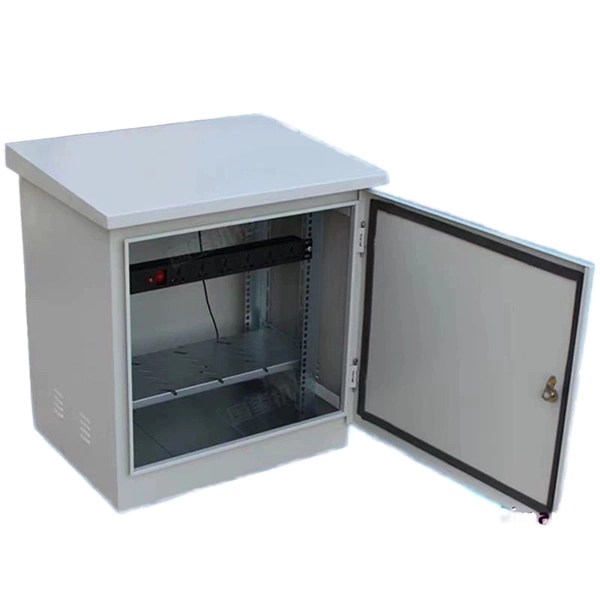
The installation requirements for the distribution box
IntroductionUnderstanding The Components of A Distribution BoxSelecting The Right Distribution BoxSite Preparation and Location RequirementsElectrical Connections and WiringCompliance with Standards and RegulationsConclusionProper installation of a distribution box isn''t just a technical requirement. It''s a vital step in ensuring the safety and efficiency of your entire electrical system. Following best practices reduces the risk of electrical fires, power outages, and other hazards, protecting your property and keeping everyone safe. If you''re looking for a reliable,...See more on eabel Published: Feb 7, 2025Occupational Safety and Health Administration
1926.405 - Wiring methods, components, and equipment for general
Conductors entering boxes, cabinets, or fittings. Conductors entering boxes, cabinets, or fittings shall be protected from abrasion, and openings through which conductors enter shall be effectively closed.
Temporary electrical wiring for construction sites
4.3. All 120-volt, single-phase, 15- and 20-ampere receptacles which are not a part of the permanent wiring of the building or structure, 120-volt flexible cord sets, and 120-volt cord- and plug-connected
Electrical practices — construction and demolition sites fact sheet
The standard sets out minimum requirements for the design, construction and testing of electrical installations that supply electricity to appliances and equipment on construction and demolition sites,
Electrical installation handbook
There is a difference between EN Standards and Harmonization Documents (HD): while the first ones have to be accepted at any level and without additions or modifications in the different countries, the
UK Electrical Wiring Regulations: BS 7671 Guide (2025)
UK electrical wiring regulations (BS 7671) apply to anyone who designs, installs, alters, inspects or tests fixed electrical installations. They cover domestic, commercial and industrial premises, and guide
International-electrical-standards-regulations
Various British standards govern the design and construction of conduits, trunking and cable. Wiring accessories may be installed in plastic or (more often) metal flush boxes to BS 4662.
Standards for Setting Up Distribution Boxes During Construction
(1) The construction power distribution system should be set up with total distribution box, sub-distribution box and switch box, and be graded in accordance with the order of "total-division-open"
General Requirements for Wiring Methods in the NEC
The search feature is very good at helping find keywords contained in the NEC, so if you are ever unsure on where to look for an installation requirement, you can easily search for terms like
Key Points Of Installation And Collocation Of Distribution Box In
The wire bundle shall not be in direct contact with the inlets and outlets of the box. The power lines entering the switch box shall not be connected with pins. The inlets and outlets of the mobile
WALTHER-WERKE: Construction site power distributors
Full range of construction site power distributors The full range comprises connection cabinets, connection distributors, main and group distributors, distributor and terminal distributor cabinets. The
Electrical safety on construction sites
Electrical safety on construction sites This guidance is aimed at those responsible for planning and subsequent management, and those who control the installation and use of electrical systems and
Expert Guide: Select the Right Temporary Power Distribution Box
Expert Guide: Select the Right Temporary Power Distribution Box Workplace injuries from slips, trips, and falls make up 27% of all incidents, and messy wiring is often the culprit. Temporary power
1926.405
1926 Subpart K Subpart Title: Electrical Standard Number: 1926.405 Title: Wiring methods, components, and equipment for general use.
Requirements And Specifications For Installation Of Distribution Boxes
In flammable and explosive environments, explosion-proof distribution boxes should be selected and explosion-proof treatment should be carried out. The installation of explosion-proof
Temporary Power Safety: Distribution Boxes + Industrial
Introduction Temporary power on construction sites is essential, messy, and potentially dangerous. Pairing E-abel distribution boxes with Weipu
Temporary Electrical Supply HSE Procedure For
Below procedure will help you to establish a safe standard for the installation of temporary and permanent electrical fixtures/appliances on project sites.
Building Construction Industry Guideline
As part of an earlier industry initiative to address areas of high risk, an appropriate Industry Guideline for Safe Electrical Practices on Construction and Demolition Sites (the guideline) was developed. Since
IEC Standard for Power Distribution Board Design and Layout
Designing a power distribution board is not just about placing components inside a metal box. It requires a deep understanding of international standards, safety practices, and electrical