
An In Depth Analysis For Optimal Cable Tray Support Span
Search optical fiber, connectivity, cable management and network infrastructure references.
- Depth
- Analysis
- Optimal
Articles and technical references
10 on this page-
Gabon Analysis
Gabon's economy grew by an estimated 2. Lower oil revenues and higher public spending deteriorated the fiscal position, highlighting the need to ensure fiscal sustainability. Gabon's sovereign spreads have remained relatively high in recent years, hovering around stressed and...
[PDF Version]
-
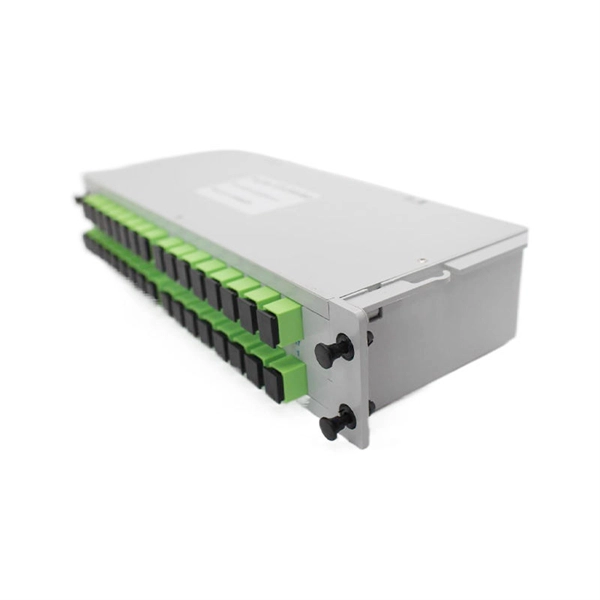
Analysis of the Current Status of the Optical Fiber Cable Industry
• Fiber Optical Cable market size has reached to $84. 15 billion in 2025 • Expected to grow to $115. 8% • Growth Driver: Growing Demand For Higher Bandwidth And Faster Speed Connections Boosts Fiber Optic Cable Market. Market Size by Fiber Type, by Deployment, by Cable Type...
-
What is the optimal stripping length for fusion splicing optical cables
The exposed length is preferably 5cm. The remaining fiber is naturally bent between the ring finger and the little finger to increase strength and prevent slipping. "Steady" means that the fiber stripping pliers should be held firmly. All three can work equally well, and most...
[PDF Version]
-
Analysis of Causes of Power Outages Due to Optical Cable Faults
Causes include manufacturing defects, excessive operating temperature, voltage spikes, or simply reaching end-of-life. Symptoms: Gradual increase in Bit Error Rate (BER), reduced optical power output (Tx), decreased receiver sensitivity (Rx), complete loss of light...
[PDF Version]
-
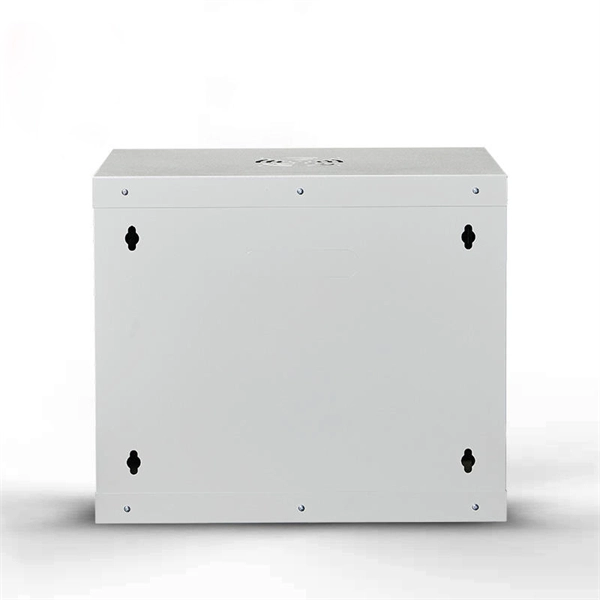
Analysis of seismic bracing components for cable trays
This study aims to develop a simple yet efficient performance-based design optimization methodology for cable tray systems in building structures. In the paper, the drift ratio between adjacent supports i.
-
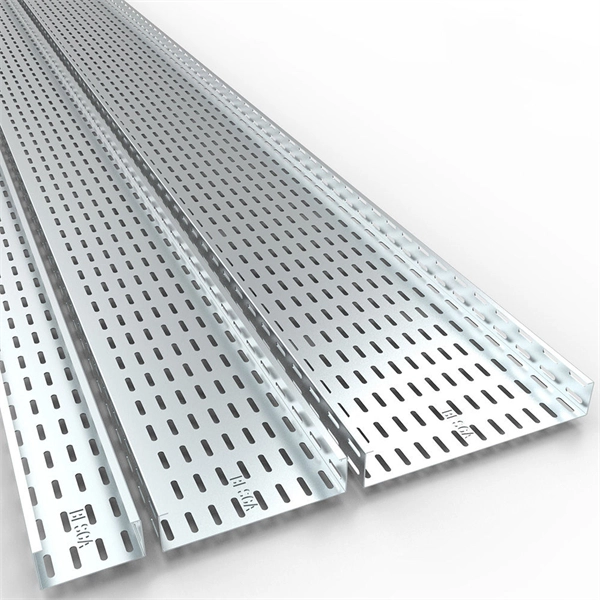
Vertical Depth Requirements for Cable Trays
Cable Types: Only use conductors rated for open-air environments, such as Tray Rated (Type TC) or Metal-Clad (Type MC) cables. These systems, made from metal or plastic, are open structures designed to support electrical conductors, ensuring proper organization and safety...
[PDF Version]
-
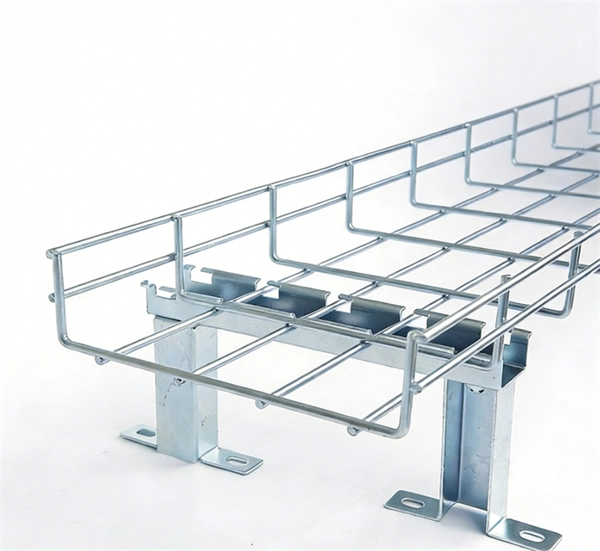
Normal fiber optic cable burial depth
Bury cables from 12-36 inches (or 30-90 cm) deep. Where plant life, sidewalks, and other utilities already disrupt earth, it's safer to bury at as little as 24 inches or 60 cm, using protective conduits to limit the likelihood of damaged cables by inexperienced maintenance...
[PDF Version]
-
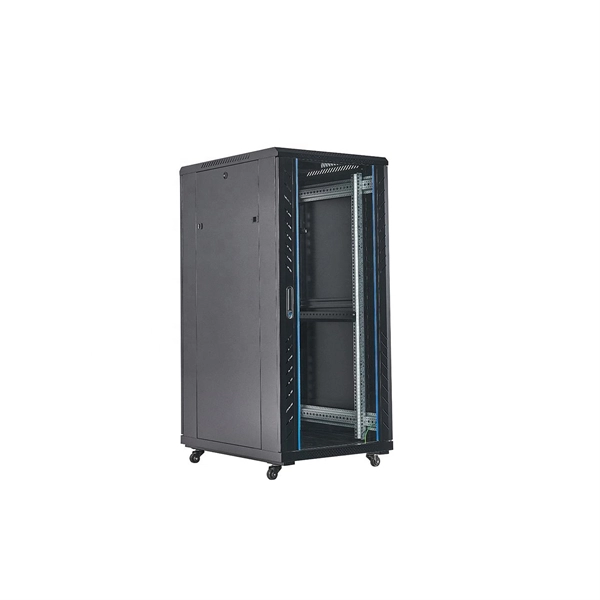
Analysis of the advantages and disadvantages of fiber optic cold connectors and their price
The advantages are stable quality and low splice loss (about 0. Cold connection does not require too much equipment . Optical fiber transmission offers numerous advantages, including a wide frequency bandwidth, high communication capacity, low signal loss, immunity to...
-
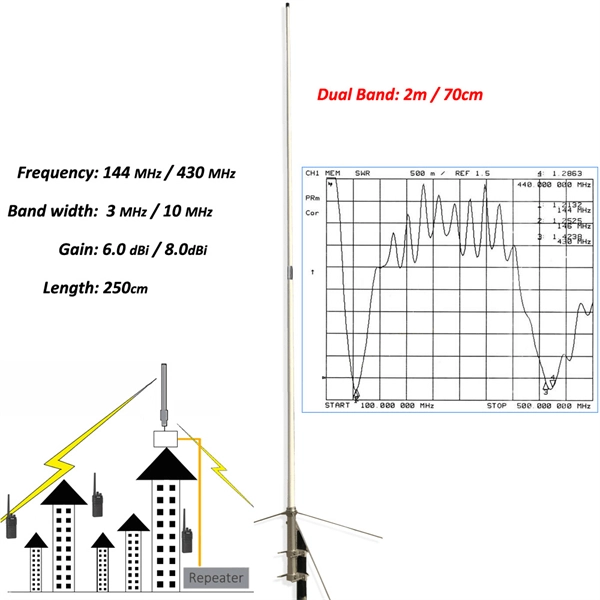
Network rack installation depth
For modern deployments, we recommend minimum 24" depth for floor racks and 20" for wall-mount cabinets. Selecting an ideal location for the rack is critical due to increased heat generation from modern equipment:This guide covers the technical requirements for modern rack...
[PDF Version]
-
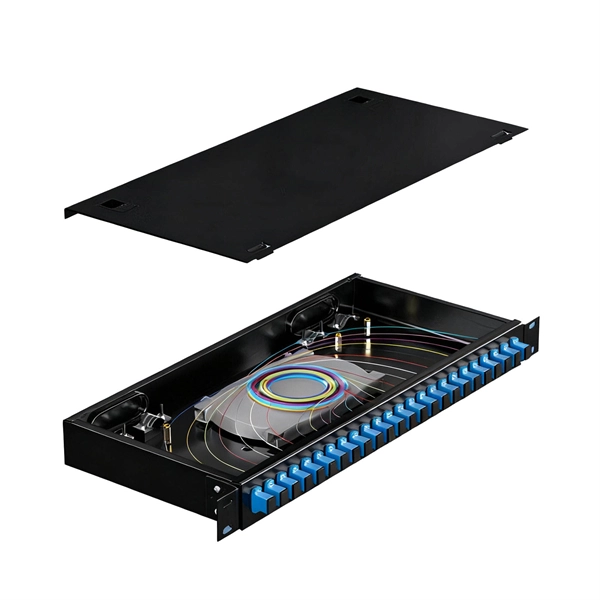
Optical Cable Model Analysis
Based on the above research, this paper introduces the creation method of cable package in layers, segments and partitions. The optical fiber curves of different layers, different turns and different interval positio.