
What is Google Fiber?
Google Fiber is a fiber-optic internet service provider (ISP) operating in 18 cities across the US. The ISP offers internet speeds up to 1,000 Mbps...
Search optical fiber, connectivity, cable management and network infrastructure references.
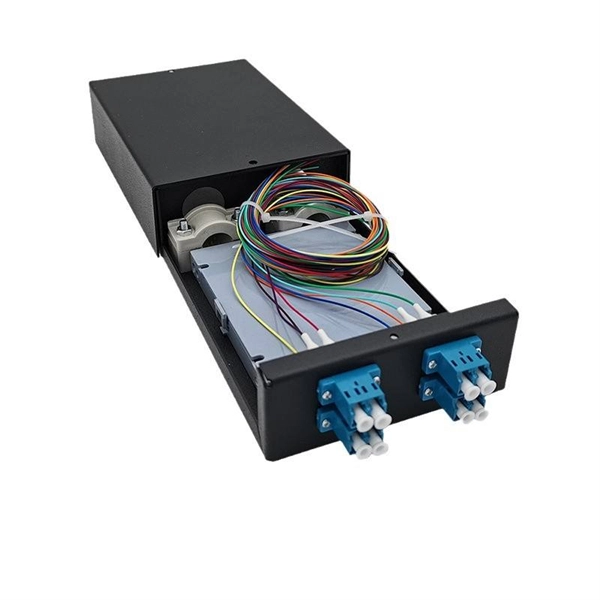
Bury cables from 12-36 inches (or 30-90 cm) deep. Where plant life, sidewalks, and other utilities already disrupt earth, it's safer to bury at as little as 24 inches or 60 cm, using protective conduits to limit the likelihood of damaged cables by inexperienced maintenance...
[PDF Version]
This type of armor offers ruggedness and superior crush resistance, making it ideal for both indoor and outdoor installations. However, correct installation is essential to ensure long-term reliability and performance. This article provides practical guidance on how to...
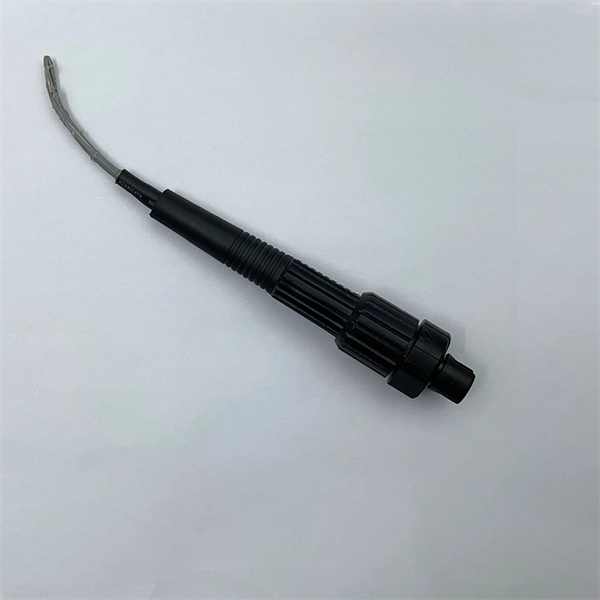
The three primary methods, cable blowing and pulling, aerial fiber installation, and underground installation using conduits, each have their distinct advantages and challenges. From trenching and direct burial for outdoor applications to aerial and indoor installation...
Fiber Internet Availability Map Fiber Internet Availability Map This map shows where fiber internet service is available across the United States from all.
[PDF Version]Google Fiber is a fiber-optic internet service provider (ISP) operating in 18 cities across the US. The ISP offers internet speeds up to 1,000 Mbps...
AT&T Fiber Internet offers speeds ranging from 300 Mbps to 1,000 Mbps (1 Gbps). It's one of two types of internet service that AT&T offers: DSL and...
Google Fiber internet plans start at $70 per month for 1,000 Mbps speeds and go up to $100 per month for 2,000 Mbps speeds.
Marker Balls: Emit signals that can be detected with a locator. Utility Maps and Records Contact your local utility providers to access maps and records that indicate where cables are. It is often necessary to locate buried optical fiber cable to prevent dig-ups during...
[PDF Version]
Underground utility tunnels (UUTs), facilities where utilities such as electricity, gas, and telecommunication are concentrated, constitute important infrastructures that help humans with their daily li.
�� No conduit needed: These cables are designed to be buried directly without extra protective piping, which saves time and cost during installation. Direct burial cables simplify installations by removing the need for underground conduit—especially helpful in long runs or...
[PDF Version]Share the fiber interfaces, termination capacity, cable route and evidence required for handover.