
How can one identify a broken fiber optic cable?
To identify a broken fiber optic cable, start by performing a visual inspection for any physical signs of damage, such as bends, cracks, or breaks...
Search optical fiber, connectivity, cable management and network infrastructure references.
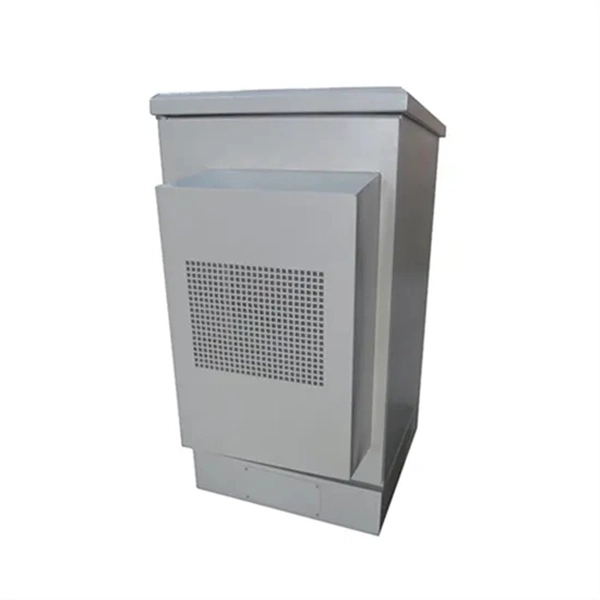
This guide discusses common cable tray problems, from loosening and corrosion to grounding issues and installation errors, along with strategies for prevention and resolution. Understanding the root causes of cable tray failures is the first step toward ensuring system...
[PDF Version]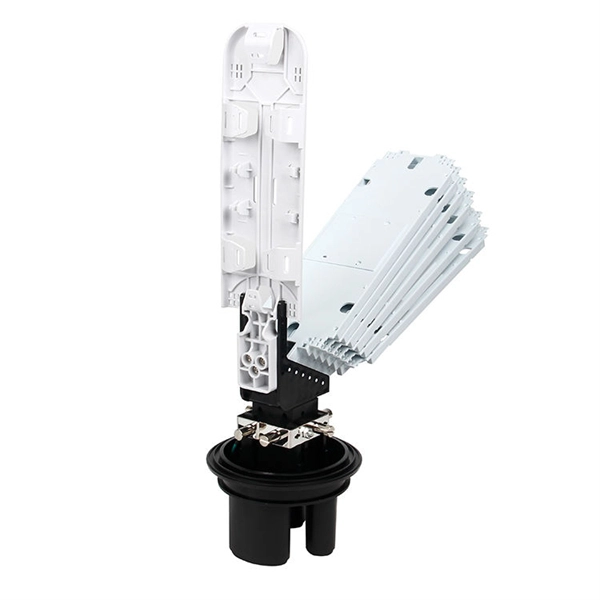
A critical technology for next-generation AI data centers, co-packaged optics (CPO), is facing significant delays, with meaningful mass production now unlikely until after 2026 due to persistent manufacturing yield issues. Low production yield remains the single biggest...
[PDF Version]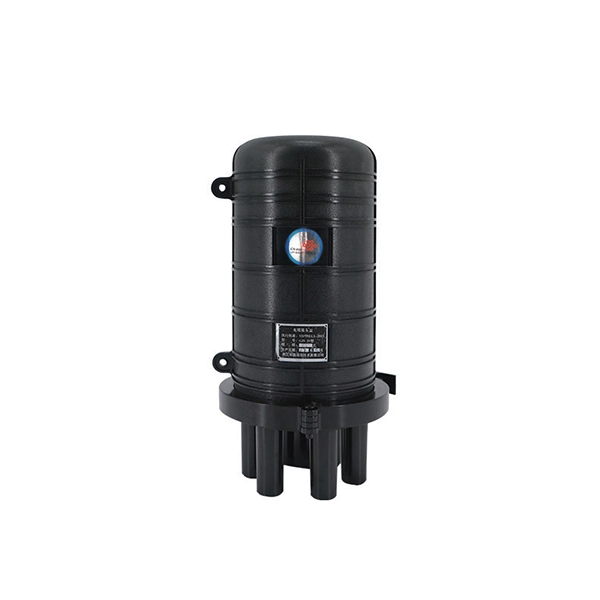
Check Fiber Cables : Look for visible damage, sharp bends, or loose connectors. Clean Connectors : Use lint-free wipes and isopropyl alcohol to remove dust or oil. Fiber optic networks are the backbone of modern data centers and communication systems, valued for their high...
[PDF Version]To identify a broken fiber optic cable, start by performing a visual inspection for any physical signs of damage, such as bends, cracks, or breaks...
There are several methods to test fiber optic cables without a tester. One method is using a visual fault locator (VFL), as mentioned earlier, to v...
Intermittent fiber optic connections can be caused by a variety of factors, including: Poorly terminated connectors or splices that result in unsta...
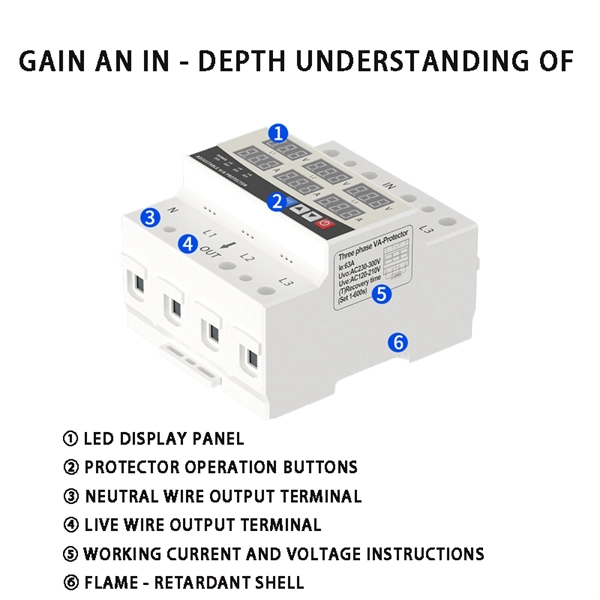
For DC power applications, red is commonly used for the positive (+) terminal, while blue, white, or black typically represents the negative (-) terminal. This clear distinction is essential for preventing polarity reversals that could damage sensitive electronic components...
[PDF Version]
Reducing the cost of optical fiber cables involves more than just increasing production volume. It requires a combination of strategic sourcing, technological advancements, and alternative material usage. Fiber optic cables are high-tech communications cables that carry...
[PDF Version]
What factors should be considered when selecting a cable tray? Factors include the number, diameter, and weight of cables, the tray's load capacity, installation space, environmental factors (e., corrosion, temperature, humidity), and budget. Disadvantages: Heavy weight...
[PDF Version]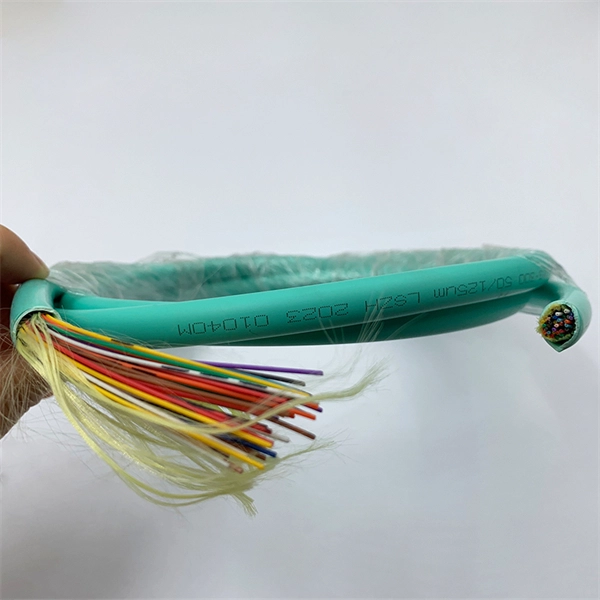
Fusion splicing is a process of aligning the fibers from the fiber optic cables and then connecting them together. Regardless of the type of fiber network you're deploying, be it for telecom, enterprise data centers, or smart city infrastructure, fusion splicing provides the...
[PDF Version]
Diagnose and resolve optical power issues in modern fiber networks with this complete engineering guide. Learn how to detect loss, instability, alarms, and link degradation using power measurements, OTDR testing, and high-stability optical modules such as LINK-PP. Fiber optic...
[PDF Version]
This guide provides a step-by-step approach to relay circuit troubleshooting, covering everything from identifying relay failure analysis to relay coil testing and addressing relay contact problems. Relay protection systems play a crucial role in detecting and isolating...
[PDF Version]
Start your inspection by looking at the outside of the box. Check for dirt, dust, or any signs of damage. Open the box and inspect the wiring. Make sure the insulation looks clean and has no cracks or burns. Internal Inspection Open. However, in actual applications...
[PDF Version]Share the fiber interfaces, termination capacity, cable route and evidence required for handover.