Skip to content
PROMETHEASOPTICAL Send a project enquiry
Reference library

Fiber Optic Cable Inspection Items and Judgment Standards

Published
  • Fiber
  • Optic
  • Cable
Source context

AI source overview

Fiber optic cable inspection involves visual inspection, insertion loss testing, OTDR analysis, continuity verification, and mechanical integrity checks, all evaluated against IEC, TIA, and FOA standards. Key Inspection Items1. Visual Inspection Visual inspection is the first step to ensure the fiber endfaces are clean, free of scratches, cracks, or contamination, which can significantly affect optical performance.

Inspection is performed before and after any optical measurement using a fiber microscope or inspection probe. Clean and well-polished endfaces are essential for low insertion loss and reliable connections ( ). 2.

Insertion Loss Testing Insertion loss measures the total optical loss of a fiber cable or link. It confirms whether the cable meets the design loss budget. Testing is typically performed using a light source and power meter or an optical loss test set (OLTS).

Acceptance criteria depend on project specifications, fiber type, and link length ( ). 3.

OTD

R (Optical Time-Domain Reflectometer) Testing OTDR testing identifies events along the fiber length, such as splices, connectors, bends, or breaks. It is essential for long-distance cables, FTTH feeder, and distribution networks.

OTD

R results are evaluated for event loss, reflectance, and overall fiber attenuation. This testing helps locate faults and verify installation quality ( ). 4.

Continuity Testing Continuity testing ensures each fiber core is intact and correctly mapped. It is particularly important for multi-fiber cables and MPO/MTP connectors to verify proper polarity and core alignment ( ). 5.

Mechanical Integrity Tests Mechanical tests simulate physical stresses during installation and operation. Common tests include tensile performance, bending, impact, and crush resistance.

IE

C 60794 defines methods (E1–E20) for evaluating mechanical performance, ensuring the fiber maintains optical performance under stress ( ). 6. Environmental and Weather Resistance Fiber optic cables are often deployed in harsh environments.

Tests include temperature cycling, humidity, water immersion, and UV exposure. Compliance ensures long-term reliability and performance under environmental stress ( ). Judgment Standards1.

IEC Standards IE

C 60794 series governs fiber optic cable design, construction, and performance verification. Part 1 defines test methods, while Parts 2–5 specify what to test and acceptable limits. For example, tensile tests require residual strain ≤0.05% after load release ( ).

2.

TI

A Standards TIA-568.3-D and TIA-568.7 define transmission performance, polarity, and test requirements. Tier 1 certification covers basic loss, length, and polarity, while Tier 2 includes OTDR-based event characterization ( ). 3.

FOA Standards FO

A provides practical, field-oriented standards, including FOA-1 (insertion loss), FOA-2 (single-ended loss), FOA-3 (optical power measurement), and FOA-4 (OTDR testing).

FO

A standards summarize testing procedures and acceptance criteria in concise, one-page formats for field technicians ( ). 4.

Acceptance Criteria

Visual inspection: No contamination, scratches, or cracks. Insertion loss: Must meet project-specific loss budget.

OTD

R: Event loss and reflectance within specified limits. Continuity: All fibers correctly mapped and functional. Mechanical tests: Fiber strain and attenuation remain within limits after stress.

Environmental tests: Fiber maintains performance under temperature, humidity, and UV exposure.

Summary

Fiber optic cable inspection is a multi-step process combining visual, optical, mechanical, and environmental tests. Compliance with IEC, TIA, and FOA standards ensures reliable performance, proper installation, and long-term network integrity. Each test has specific acceptance criteria, and project specifications should always guide final judgment.

Proper documentation of all tests is essential for certification and quality assurance ( ).

Research context

Reference summary

Fiber Testing Standards 2025 Guide for IEC and TIA ComplianceStay compliant in 2025 with updated fiber testing standards for IEC and TIA. Learn key procedu.

From reference to enquiry

Questions for your project

Use these editorial prompts alongside the linked excerpts. They identify items to confirm for your project.

Technical notes

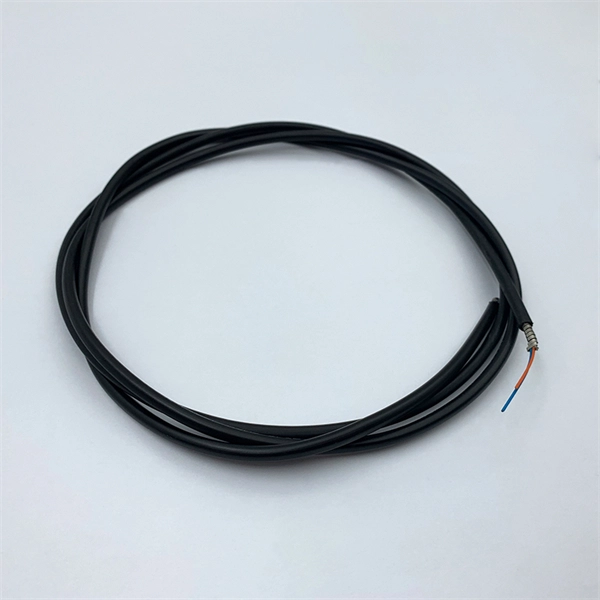
Illustrative equipment image

Fiber Testing Standards 2025 Guide for IEC and TIA Compliance

Stay compliant in 2025 with updated fiber testing standards for IEC and TIA. Learn key procedures, documentation tips, and legal requirements for your network.

Fiber Optic Standards & Testing Guide for Cables

Explore international standards and testing for fiber optic cables, MPO/MTP, and connectors. Understand performance, reliability, and compliance.

IEC 60794 Compliance: The Complete Guide to Fibre Optic Cable

Published by the International Electrotechnical Commission, it defines the mechanical, environmental, and optical tests that every cable must pass before it can be classified as fit for

How to Test Fiber Cable Quality in Telecom Projects

Technical guide to testing fiber cable quality, covering visual inspection, optical loss testing, OTDR analysis, and standards for FTTH and data center network.

Complete List of ISO/IEC Fiber Optic Cable Standards for Importers

We can customize the cable legend (printing) to include specific standards like “IEC 60332-1” or “ISO/IEC 11801 OM4”. This is highly recommended as it helps on-site inspectors verify compliance

Fiber Optic & Cable Standards Guide | FiberMania Standards

Get a complete guide to fiber optic & related products standards—from basics to advanced, covering all key details for full understanding.

Fiber Optic Cable Inspection

Describe what you need in plain language and our AI will build a professional inspection checklist in seconds, tailored to your industry and compliance requirements.

Fiber Optic Testing Standards | Kingfisher International

These resources will help you quickly and easily test in conformance with industry standard test procedures that are frequently required for contract work.

Fiber Optic Splicing & Cable Inspection Checklist [FREE PDF]

This fiber optic splicing and cable inspection checklist ensures telecommunications field technicians complete splices per TIA-568 cabling standards, IEC 61300 fiber optic tests, and Telcordia GR-20

Standard for Installing and Testing Fiber Optics

Although most fiber optic cables are not conductive, any metallic hardware used in fiber optic cabling systems (such as wall-mounted termination boxes, racks, and patch panels) must be grounded.

Inspection & Test Check List | PDF | Optical Fiber

1) The document is an inspection checklist for testing fiber optic cables using an OTDR machine as part of an EPC revitalization project of an RCC plant. 2) It lists 15 items to check during the OTDR test,

Standard for Installing and Testing Fiber Optics

Safety in fiber optic installations specifically includes avoiding exposure to light radiation carried in the fiber; disposal of fiber scraps produced in cable handling and termination; and safe handling of

Understanding Commercial Fiber Cable Testing Procedures

Commercial fiber optic testing is the backbone of dependable networks. This guide covers practical steps for certifying and inspecting fiber runs, explains the tools you''ll use, and

Demystifying Fiber Test Methods – Back to Basics

Demystifying Fiber Test Methods – Back to Basics Fiber Optic Cable Testing Methods Fiber optic networks are the backbone of modern telecommunications, providing high-speed data transmission

Fiber Optic Cable Testing 101: Tools, Techniques, and Industry Standards

Fiber Optic Cable Testing Ensures network reliability by using tools like visible light sources, power meters, and OTDRs to measure signal loss, identify faults, and maintain system

Fibre Optic Cable Installation Checklist

Routine Inspection: Regularly check for loose connections, wear, and cable integrity. Cleaning Protocols: Use proper fibre optic cleaning tools to remove dust and debris. Troubleshooting

Ensuring Network Health with Fiber Optic Inspection

Understanding the importance of fiber optic inspection and using the right tools is vital to ensuring optimal network performance.

InstallGuide

This FOA Technical Bulletin describes recommended procedures for installing and testing cabling networks that use fiber optic cables and related components to carry signals for communications,

Related Video Reference

This video was associated with the source search result. Verify technical details against current product documentation and project requirements.

Share your network requirements

Share the fiber interfaces, termination capacity, cable route and evidence required for handover.

Send a project brief