
Technical notes
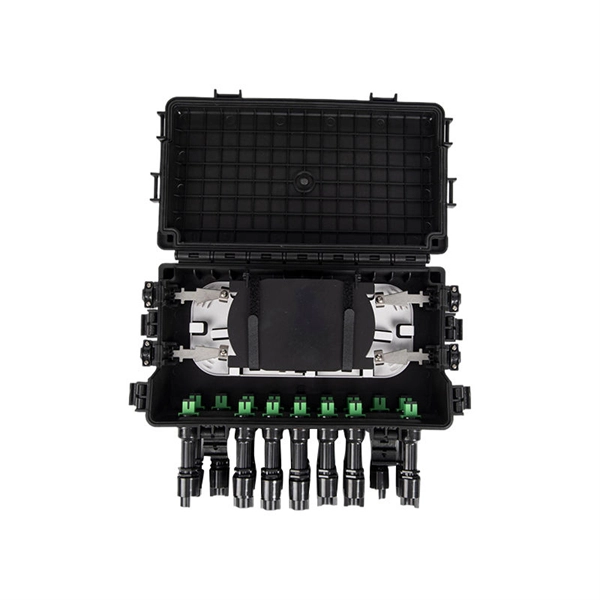
Understanding Primary, Secondary, and Tertiary Distribution Boxes
Generally, primary distribution should not directly supply power to electrical devices. Secondary distribution often supplies three-phase power to equipment such as motors, while tertiary distribution
Is it essential to use both primary and secondary distribution
A small industry can be fed directly via existing infrastructure of ring-systems (basically secondary distribution network), while a heavy industry (e.g. cement/MMM....etc) might need a direct
Secondary unit substations design guide
secondary unit substation is a close-coupled assembly consisting of enclosed primary high voltage equipment, three-phase power transformers, and enclosed secondary low-voltage
Installation Precautions for Substation Secondary Equipment
Substation secondary equipment must be powered by sources which are not subject to interruption at times of AC power faults. This requirement is met by the use of battery systems kept in
The Primary and Secondary distribution in electrical systems
Understanding the fundamental distinction between Primary and Secondary distribution in electrical systems is pivotal for designing efficient and reliable electrical distribution systems tailored
Electric power distribution
Commercial and residential customers are connected to the secondary distribution lines through service drops. Customers demanding a much larger amount of power may be connected directly to the
EV chargers installed direct to meter box
The suppliers have thus far read/maintained hundreds of thousands of meters which will have such equipment installed in the box, yet no attempts that I''ve heard of to counter the practice.
The Meaning and Function of Primary, Secondary, and Tertiary
Typically, primary distribution does not directly supply power to devices, secondary distribution handles power equipment with three-phase electricity, and tertiary distribution refers to
The Meaning and Function of Primary, Secondary, and Tertiary
Generally does not supply power directly to end-use equipment. Equipment inside usually includes isolating switches, circuit breakers, and residual current devices (RCDs).
What Is a Distribution Box?
What to Look for When Choosing a Distribution Box If you''re going to buy a distribution box, there are several things you should look for. You should choose a distribution box that''s made of
Understanding Primary, Secondary, and Tertiary Distribution Boxes
Learn about primary, secondary, and tertiary distribution boxes, their roles in electrical systems, and how they manage power distribution efficiently for various applications.
Stock Portfolio Management & Tracker
Track your personal stock portfolios and watch lists, and automatically determine your day gain and total gain at Yahoo Finance
A Definitive Guide To Distribution Boxes
Power distribution boxes are beneficial because they eliminate the requirement for each output device to be connected directly to the power source. As a result, there''s no reason to utilize
Connecting a Secondary Distribution Panel
Secondary Distribution Box on Garage (approx 20 years old) 1. 2 hot wires coming in to a 50 amp 2-pole breaker (main breaker) 2. Neutral wire coming in to neutral bus 3. Neutral bus
How To Install A Second Circuit Breaker Box From The Main
When you run out of space in your electrical service panel (also called a breaker box), you have two choices: have a professional upgrade the service panel or install a subpanel yourself.
Secondary distribution system solution
CHINT provide one-stop Secondary Distribution System Solution solutions. From consulting services to engineering design and construction, to long-term project
Metaphor
Definition, Usage and a list of Metaphor Examples. Metaphor is a figure of speech which makes an implicit, implied or hidden comparison between two things
Cannot select Distribution System from drop-down list or assign
Cannot select Distribution System from drop-down list or assign Distribution Panel to Electrical Circuit in Revit. One of the following: The Connector used in the Electrical Equipment